
India has firmly rejected the latest award issued by the Court of Arbitration (CoA) in the long-running dispute with Pakistan over the Indus Waters Treaty (IWT), describing the tribunal as “illegally constituted” and asserting that it has no jurisdiction over India.
The Ministry of External Affairs (MEA) reiterated New Delhi’s position after the arbitration body issued an award concerning interim measures and the status of the 1960 water-sharing treaty. India said it has never recognised the establishment of the Court of Arbitration and therefore does not accept its proceedings, decisions, or awards.
The latest development comes amid an increasingly bitter dispute between India and Pakistan over the treaty, following the Pahalgam terror attack by Pakistan-backed terrorists. Signed in 1960, the agreement allocated the eastern rivers—Ravi, Beas and Sutlej—to India, while Pakistan received rights over the western rivers—Indus, Jhelum and Chenab, subject to certain provisions allowing India to use their waters.
India’s objection to the arbitration process stems from the continuous support to terrorism on its soil by Pakistan. India’s stand is clear, stop terrorism or the Indus Water Treaty remains suspended.
India gave a clear warning to Pakistan that it will suspend the Indus Water Treaty in the wake of the Pahalgam terror attack, however, instead of doing any introspection. Pakistan continues to support terrorists.
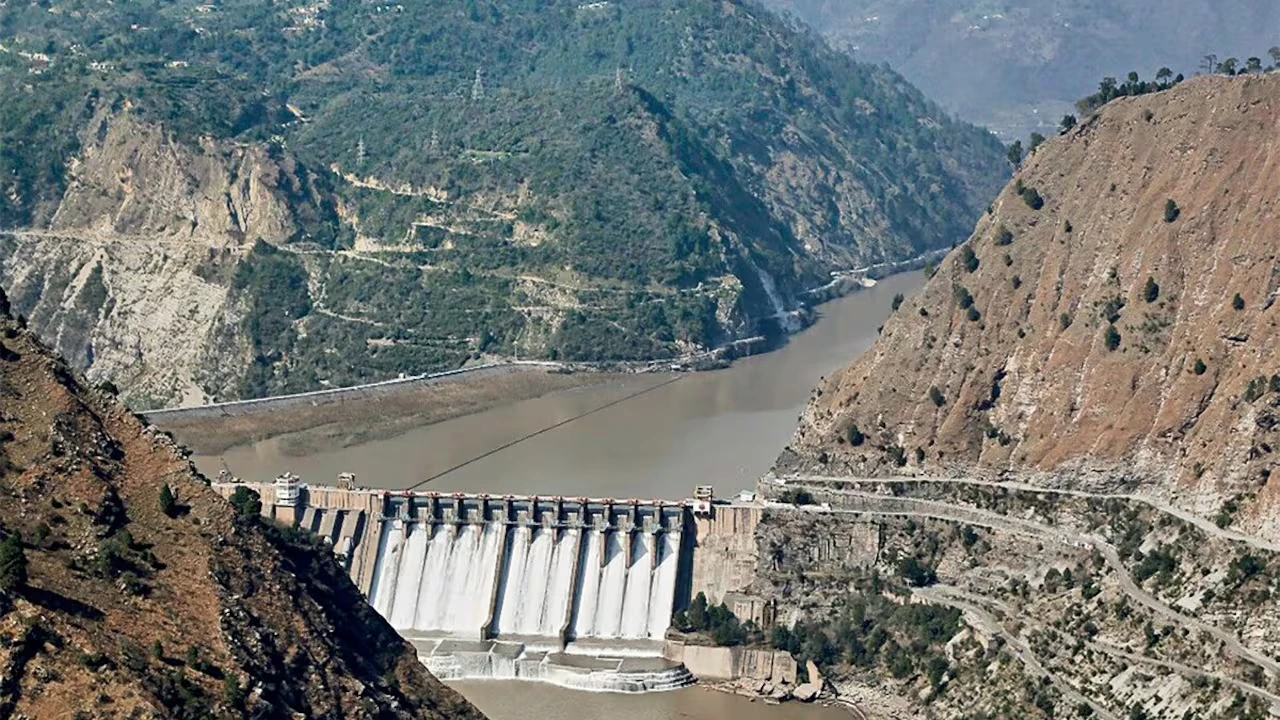
The Court of Arbitration, however, has continued proceedings in the case initiated by Pakistan. The Permanent Court of Arbitration’s official records show that the tribunal has issued several decisions and awards concerning the interpretation of the treaty, including matters related to India’s hydroelectric projects on the western rivers.
India’s latest rejection therefore represents more than a disagreement over a particular technical issue. It reflects New Delhi’s broader position that the arbitration mechanism itself lacks legal legitimacy in the present circumstances.
With water increasingly becoming a strategic issue in India-Pakistan relations, the latest confrontation could further complicate efforts to resolve the treaty dispute. India has made clear that it will not accept what it considers an externally imposed ruling from a tribunal whose jurisdiction it does not recognise.

