
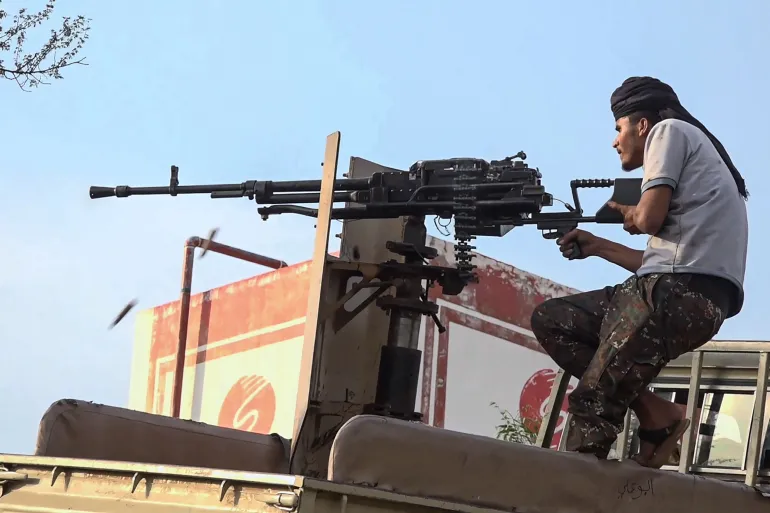
The conflict in the Middle East is threatening to open another dangerous front after Iran-aligned Houthi forces intensified attacks on Saudi Arabia, prompting Pakistan, as part of the Mecca defence agreement, to deliver a warning to Tehran. Pakistan allegedly told Iran to rein in the Houthis or risk a wider regional confrontation. This is the first time Pakistan has got directly involved in the Middle East crisis.
The Houthis launched one of their biggest recent attacks on Saudi territory on September 8, targeting an airbase near Khamis Mushait and oil and energy infrastructure in southern Saudi Arabia. The attacks reportedly wounded 73 people and triggered fires at critical facilities of the Kingdom. Saudi Arabia responded with a wave of airstrikes against Houthi positions in Yemen.
The escalation has placed Pakistan in a sensitive position. Islamabad has close strategic and military ties with Riyadh, while also maintaining diplomatic relations with Tehran. Pakistan has now conveyed a warning to Iran, urging it to use its influence over the Houthis to stop attacks on the Kingdom of Saudi Arabia. Tehran, however, has denied controlling the Houthi movement, even though it is open knowledge that Iran controls the Houthis.
The stakes are even higher because of the recently signed Mecca Joint Defence Agreement between Saudi Arabia, Pakistan and Turkey. Pakistani Defence Minister Khawaja Asif has warned that if attacks spill into Saudi Arabia, the agreement could become operational. Islamabad has stressed that its role would be defensive and focused on protecting Saudi territory rather than sending troops into Yemen.
Pakistan’s position also reflects growing concern that what began as a proxy confrontation could develop into a broader regional war. The Houthis are expanding their military presence along Yemen’s Red Sea coast and have moved towards the strategic port of Mocha, close to the Bab el-Mandeb Strait, a vital route for global shipping and energy supplies.
For Saudi Arabia, the threat is particularly serious because attacks on oil infrastructure could disrupt energy exports and further destabilise already fragile global energy markets. For Pakistan, the challenge is to support its Gulf ally without being dragged directly into another Middle Eastern war.
What happens next could determine whether the latest escalation remains a proxy war or becomes a much larger regional confrontation.

