
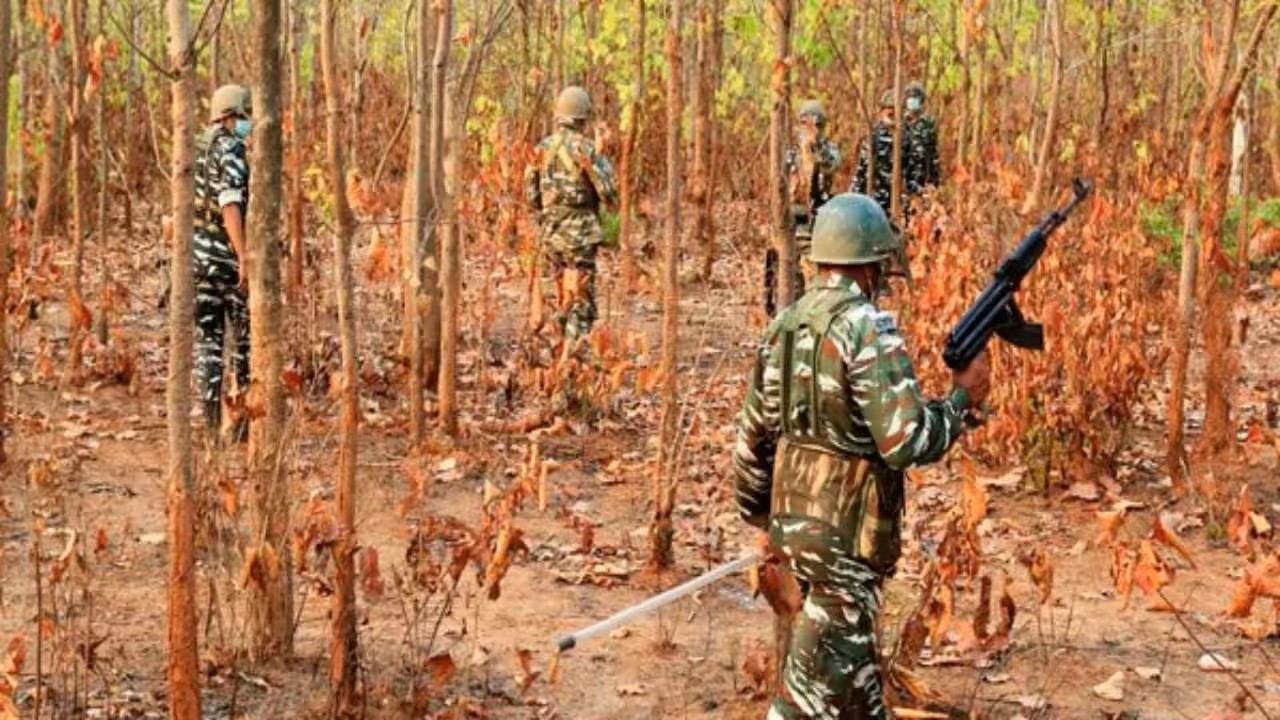
The Dantewada ambush, deadly bus bombing in Dantewada, ambush in Sukma, and Jheeram Ghati massacre were once regularly in news and served as stark reminders of the scale of Left-Wing Extremism in India. In April 2010, Maoists ambushed security personnel in Dantewada, killing 76 personnel — 75 CRPF personnel and one state policeman. A month later, a Maoist-triggered IED destroyed a bus in the same region, killing 31 people and injuring 20.
Then came the horrific Jheeram Ghati attack of May 2013. A Maoist ambush on a Congress convoy killed 27 people, including several senior Congress leaders. More than 13 years later, the case has returned to the headlines after a special NIA court in Jagdalpur sentenced 10 convicted accused to death. The verdict was delivered on September 16, 2026.
These attacks evoke a period when Maoist violence had a powerful presence across parts of central and eastern India. In several affected districts, armed Maoist groups operated in remote forest areas, attacked security forces and disrupted government activity and infrastructure projects.
Over the years, however, the security situation in many of these areas has changed significantly. Security operations, improved road and communications infrastructure, greater state presence, intelligence-led action and surrender and rehabilitation policies have all formed part of the government’s response to Left-Wing Extremism, and broken the back of Naxal terrorism.
Earlier, the Naxals were running their parallel government in the infamous ‘Red Corridor’, they had their kangaroo courts, kept development projects away from the tribals living in the region, and attacked security forces active in the area. Civilians who used to help the security officers, engineers working on the projects in the region, were threatened. However, all that has dramatically changed over the last 12 years.
After coming to power in 2014, the Narendra Modi government, under Home Minister Amit Shah, made the elimination of Left-Wing Extremism a stated priority. The Union government has combined security operations with development and welfare initiatives in affected districts. Government data and official statements have pointed to a massive reduction in the geographical spread and violent incidents associated with Maoist terrorist activities.
The transformation has not happened overnight. It has involved years of operations by security forces, administrative efforts, infrastructure expansion and rehabilitation measures for surrendered Naxals. This saw the surrender of several Naxals, and the elimination of those who continued to fight the Indian state.
The recent Jheeram verdict therefore offers a reminder of how destructive the Maoist insurgency once was, while the changing security landscape in Bastar and other affected regions highlights the long-term effort to restore the authority of the state and expand development in areas once heavily affected by insurgent violence.

