
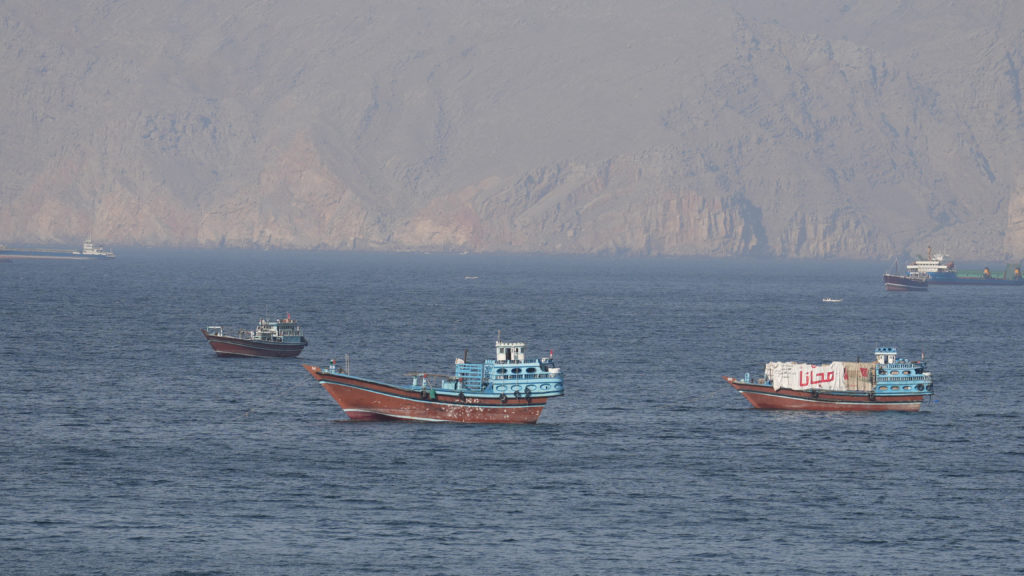
Global oil markets were thrown into turmoil once again after the fragile ceasefire between the United States and Iran reportedly collapsed, triggering renewed military tensions across the Persian Gulf (or Arabian Gulf if you will). The situation worsened dramatically as Iran announced the closure of the Strait of Hormuz once again, one of the world’s most critical maritime chokepoints for energy supplies.
The renewed disruption has sent crude oil prices soaring, reigniting fears of a prolonged energy crisis and fresh inflationary pressures across the global economy.
The Strait of Hormuz handles nearly one-fifth of the world’s daily oil consumption. Around 20 million barrels of crude oil and petroleum products used to pass through the narrow waterway every day, connecting major oil producers such as Saudi Arabia, Iraq, Kuwait, UAE and Qatar with international markets. Any disruption in this corridor immediately raises concerns over global energy security, and the latest closure has once again demonstrated just how vulnerable oil markets remain to geopolitical conflicts.
Benchmark crude prices surged sharply as traders rushed to price in the risk of supply shortages. If the closure continues for an extended period, oil prices could climb significantly higher as strategic reserves alone would be insufficient to offset prolonged disruptions. Iran knows this, and this is their biggest leverage, the Strait of Hormuz. Shipping insurance costs have also risen, while several tanker operators are reportedly reassessing voyages through the Gulf region due to escalating security risks.
The consequences extend well beyond oil-producing nations. Higher crude prices are expected to increase fuel costs worldwide, pushing up transportation expenses, electricity generation costs and manufacturing input prices. Countries heavily dependent on imported energy, including India, Japan and several European economies, could face renewed inflationary pressures just as many central banks were beginning to ease monetary policy after previous inflationary shocks.
For India, the renewed crisis presents a significant economic challenge. The country imports nearly 85 percent of its crude oil requirements, making it highly sensitive to fluctuations in international prices. A sustained rise in crude prices could widen the trade deficit, increase the government’s subsidy burden and place pressure on the Indian rupee. Consumers may also face higher petrol, diesel and cooking gas prices if elevated global crude prices persist.
Diplomatic efforts are now intensifying as regional and global powers attempt to prevent the conflict from spiralling further. However, until a stable ceasefire is restored and commercial shipping resumes through the Strait of Hormuz, energy markets are expected to remain highly volatile.

