
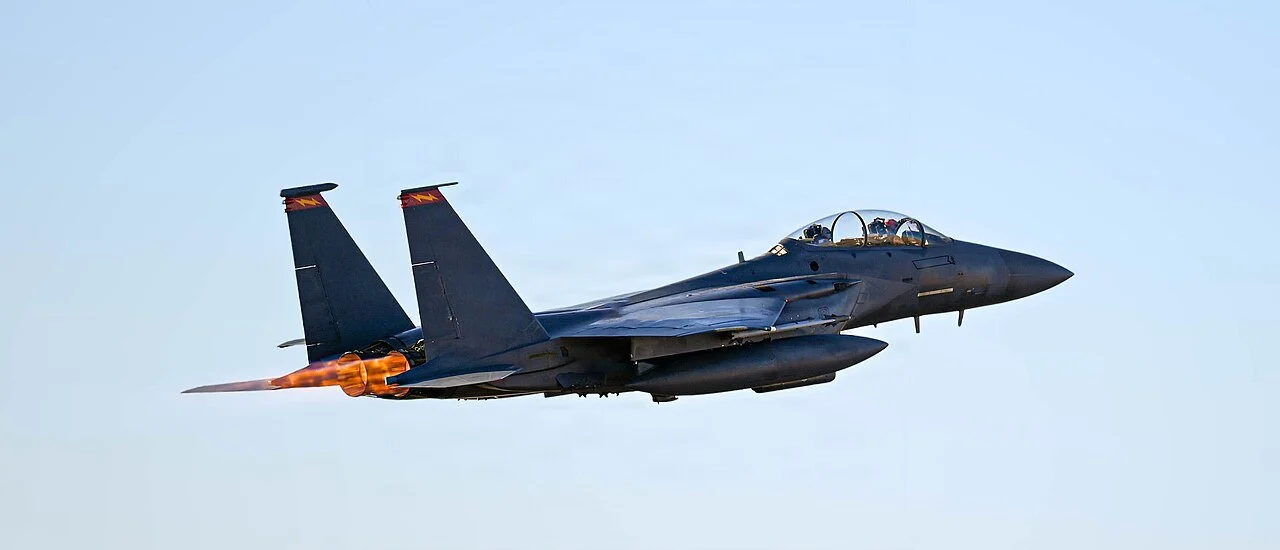
There is an extraordinary contrast emerging from the Iran conflict. According to an updated Congressional Research Service report, the United States has had 81 military aircraft either lost or damaged since the beginning of its conflict with Iran at the end of February 2026. The figure includes manned aircraft, helicopters and drones. Importantly, this does not mean 81 aircraft were destroyed permanently, the CRS itself says the tally includes damaged aircraft, some of which may have already returned to service.
The numbers are nevertheless striking. The list includes 45 MQ-9 Reaper drones, 12 F-15E Strike Eagles, seven KC-135 tankers, an F-35A, an E-3 Sentry, A-10s and other aircraft. The estimated replacement cost has been put as high as $3.3 billion.
And yet, look at the difference in political and public reaction to these losses.
In the United States, these losses are being discussed primarily as a military and strategic problem. Questions are being raised about what went wrong, How quickly the Pentagon can replenish its inventory, whether American drone fleets are being used too heavily, and what the loss rate means for future operations and for America’s ability to deter other adversaries.
Reuters has reported that the war has exposed wider strains on American military inventories, including depleted missile stocks and significant losses of MQ-9 Reapers. At the same time, the losses of manned aircraft remain relatively small compared with the enormous size of the US military’s overall fleet.
Now compare this with India.
During Operation Sindoor in May 2025, rumours and Pakistani claims about Indian aircraft losses, particularly Rafales, triggered a political and social-media storm. Before the Indian military had publicly detailed its losses, unverified claims circulated that multiple Rafales had been shot down.
The Indian military itself took a measured position. Air Marshal A.K. Bharti said that losses were part of combat, while emphasising that all pilots had returned safely. Later, CDS General Anil Chauhan acknowledged that India had suffered aircraft losses in the opening phase, but refused to disclose numbers and stressed that the Indian military subsequently changed its tactics and regained the advantage.
But sections of India’s opposition and the Indian Left-liberal ecosystem treated the Rafale question almost as a referendum on India’s military capability and the Modi government’s credibility. Congress leaders demanded answers and an independent review, with Mallikarjun Kharge arguing that Parliament needed to ask questions about the losses. That contrast deserves attention.
A combat aircraft is a machine. Losing one does not automatically mean losing a war. Modern warfare is about objectives, tactics, intelligence, air defence, weapons, logistics and the ability to adapt after setbacks.
America is currently confronting losses on a scale far greater than the single-Rafale rumour that dominated India’s political discourse. Yet the serious American conversation is increasingly about force regeneration, sustainability and lessons from combat. Why can’t Indian opposition have the same maturity?
Questioning the government or the military is legitimate. Demanding transparency is legitimate. But exaggerating the loss of an Indian aircraft simply with the aim of embarrassing your political opponent is something entirely different.
The lesson from America’s experience is simple- Military losses, if any, should be analysed, not weaponised.
In war, even the world’s most powerful military can lose aircraft.
The real question is simply this- Did the mission succeed, did the military adapt, and can the force fight even more effectively tomorrow?

