
Artificial intelligence was supposed to make life easier. Instead, in the chaotic world of social media, it is becoming remarkably good at making falsehoods look convincing.
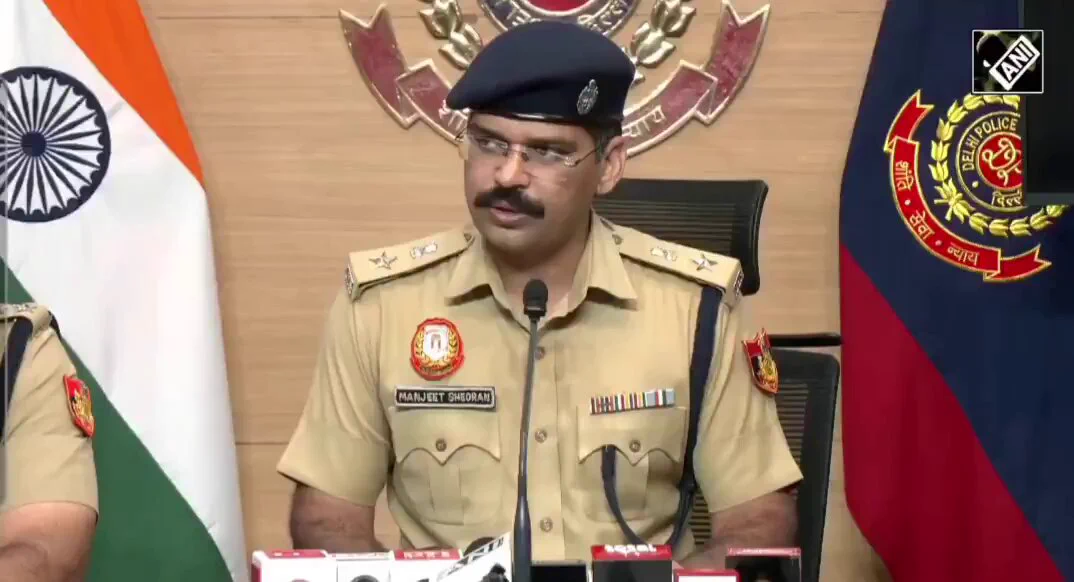
A recent incident in Delhi has highlighted exactly that danger. A video circulated online allegedly showed a Delhi Police Assistant Commissioner of Police (ACP) molesting a woman during a protest linked to the Cockroach Janata Party (CJP). The video quickly attracted attention and was used to level serious allegations against the police officer.
One problem, however, the video was AI-generated and misleading.
Delhi Police subsequently acted against YouTuber Nadeem Ahmed, who was arrested in connection with the circulation of the misleading video. The case has once again raised uncomfortable questions about how easily digitally manipulated content can be weaponised during politically charged protests.
A protest is already an emotionally charged environment. Add a dramatic video, a serious allegation and social media’s ability to spread content within minutes, and the inability to separate truth from falsehoods, and suddenly an unverified claim can acquire the appearance of fact.
That is precisely what makes AI-generated misinformation particularly dangerous. Earlier, fake photographs and edited videos required a reasonable amount of technical effort. Today, AI can create remarkably realistic material, making it increasingly difficult for ordinary users to distinguish genuine footage from manufactured content.
The episode also highlights the responsibility of those who operate large social-media channels. Freedom of expression does not mean freedom from consequences when people deliberately present misleading material as reality. A YouTube channel can reach thousands, or if they go viral, millions of people, meaning that an irresponsible post can potentially cause reputational damage long before authorities can establish what actually happened.
The incident is especially significant because it occurred in the middle of a politically sensitive protest. When allegations involve the police, political parties and public demonstrations, misinformation can quickly become a political weapon. One manipulated video can transform into hundreds of posts, hashtags and accusations before anyone pauses to ask the most basic question that is this video even real?
The arrest of Nadeem Ahmed will now be examined through the legal process, and the allegations against him must ultimately be tested in court. But the larger issue goes beyond one YouTuber or one video. India is entering an era where seeing is no longer necessarily believing.
AI has created a new challenge for journalism, policing, politics and ordinary citizens alike, a video can look authentic without being authentic.
And perhaps the most frightening part is that by the time the truth catches up, the fake may already have travelled halfway around the internet.

