
The images and memories of September 11, 2001, remain permanently associated with one of the darkest chapters in modern aviation history. Al-Qaeda terrorists hijacked four commercial aircraft and turned them into weapons, crashing two into the World Trade Centre twin towers, and one into the Pentagon. Passengers on the fourth aircraft fought back, forcing it to crash in Pennsylvania. The attacks killed 2,977 people in total.
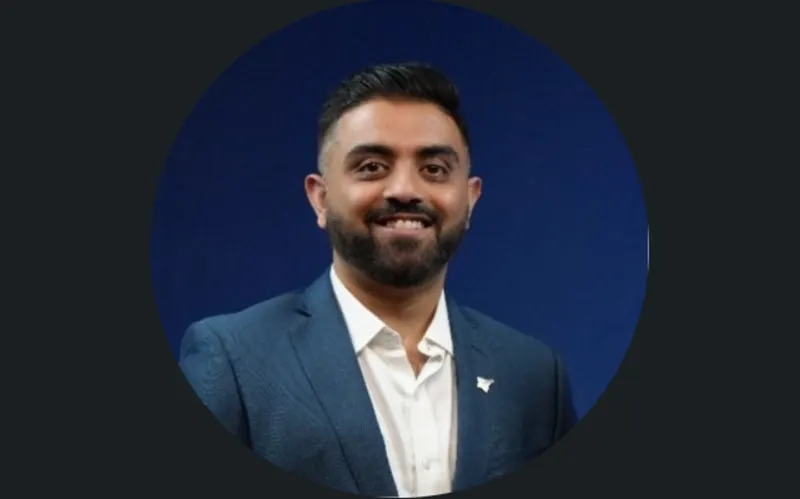
Twenty-five years later, the terrifying possibility of another aircraft being deliberately brought down in a terror attack is back in discussion after the incident aboard Flydubai Flight FZ1073, but this time, the outcome was dramatically different thanks to the brave Indian Pilot Smit Machchhar.
On Wednesday, September 30, the Boeing 737 was flying from Dubai to Tel Aviv with 174 people on board when an extraordinary crisis erupted in the cockpit. The Omani co-pilot attacked Indian Captain Smit Machchhar and attempted to take over the plane. The aircraft plunged rapidly, losing roughly 14,000 feet in less than a minute. The precise motive behind the attack remains under investigation.
What happened next transformed Captain Machchhar into a global hero and the central figure in an extraordinary fight for survival.
Despite suffering severe injuries to his neck and his hands, losing a ton of blood, Machchhar managed to open the cockpit door. That single action allowed passengers and crew members to rush inside and confront the hijacker. Passengers subdued the hijacker, while off-duty pilots on board helped regain control of the aircraft. The badly injured Machchhar was treated by fellow passengers, including dentist Dr Shota Musaev, who described the captain as having severe injuries to his head and hands and having lost a large amount of blood.
The aircraft eventually diverted to Tabuk, Saudi Arabia, where it landed safely. All 174 people survived.
The parallels with 9/11 are striking, with one difference, during those hijackings, the co-pilot wasn’t the one trying to hijack the plane. The September 11 attacks were a coordinated terrorist operation involving four hijacked aircraft and 19 al-Qaeda members. What connects the two events is the terrifying vulnerability created when control of a passenger aircraft is threatened.
There is also an important historical parallel in how people inside the aircraft responded. On September 11, passengers aboard United Airlines Flight 93 fought back against the hijackers. In the Flydubai emergency, passengers similarly entered the cockpit and helped overpower the hijacker after Machchhar opened the door.
Israeli Prime Minister Benjamin Netanyahu praised Machchhar’s bravery, saying his actions prevented a catastrophic mid-air disaster. Indian Prime Minister Narendra Modi also called him a hero, saying his courage helped save hundreds of lives. US President Donald Trump separately praised Machchhar after speaking with Netanyahu about the incident.
The full truth behind the hijacking attempt will come after the ongoing multinational investigation. But the outcome is already clear- 174 people who were suddenly facing an extraordinary aviation emergency survived. At the centre of that survival was an injured Indian captain who, even after being attacked, found a way to give the people around him a chance to fight back.

