
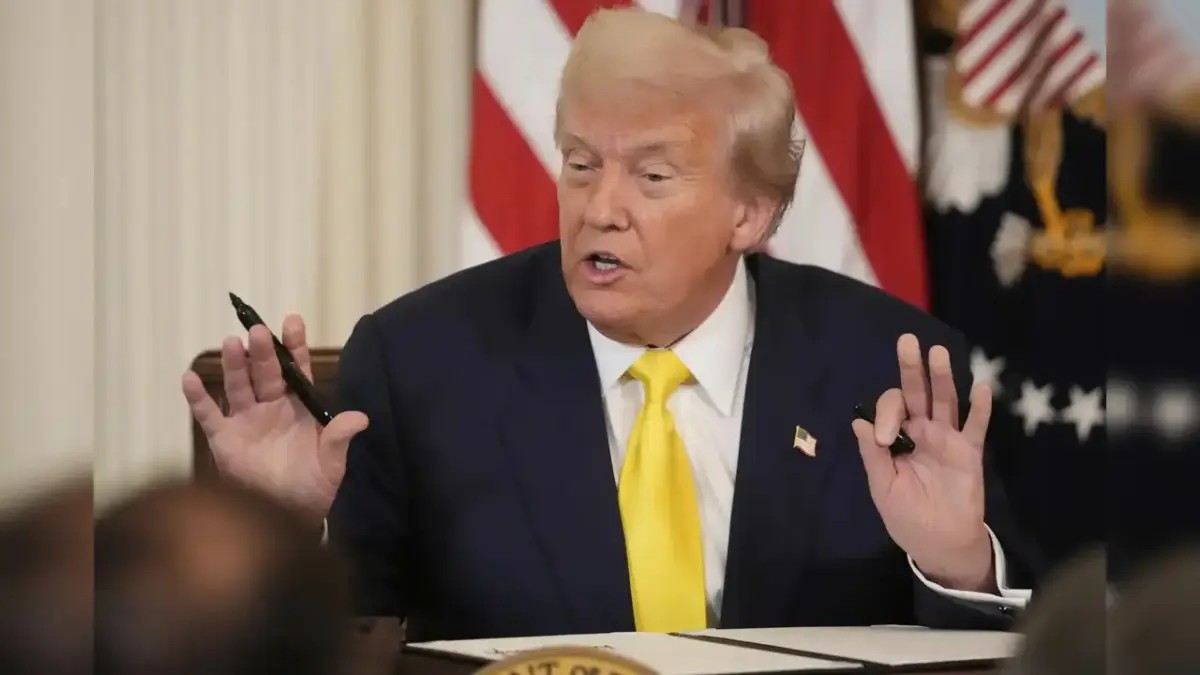
A major new uncertainty is hanging over India’s oil trade after the US House of Representatives passed the Lindsey O. Graham Sanctioning Russia and Iran Act of 2026, sending the legislation to President Donald Trump for his consideration. The bill gives the US president the authority to impose tariffs of up to 100% on goods from countries, including India, that are major buyers of Russian crude and natural gas.
The legislation creates the possibility of secondary economic pressure on India for continuing to purchase Russian energy. India is among the world’s biggest buyers of Russian crude and has significantly increased imports since the Ukraine war and Iran war disrupted traditional global energy flows.
India imports more than 88% of its crude oil requirements, and Russia has accounted for more than half of India’s crude imports in recent periods. That makes Russian oil an important component of India’s energy-security strategy.
What happens if Trump uses the new powers?
If Trump signs the bill and subsequently chooses to impose the maximum tariff, the consequences could extend far beyond the oil sector. A 100% US tariff on Indian goods would make Indian products dramatically more expensive in the American market, potentially affecting exporters across several industries.
For India’s oil refiners, however, the calculation is more complicated. Cutting Russian imports abruptly could force refiners to replace those barrels with crude from countries such as Iraq, Saudi Arabia, the UAE or other suppliers. With Strait of Hormuz still disrupted, this could make the cost for the Indian importers significantly higher.
Why the bill is more than just Russia
The legislation therefore creates a difficult balancing act for New Delhi. India wants affordable crude and diversified energy supplies, while Washington wants countries to reduce economic support for Moscow.
Importantly, the bill gives Trump discretion over how and whether the tariff provisions are implemented, and the legislation contains provisions allowing presidential flexibility.
That means the passage of the bill does not automatically mean India will face a 100% tariff tomorrow.
For India, the next stage will therefore be crucial. New Delhi could seek exemptions, negotiate with Washington, gradually diversify crude supplies, or continue purchasing Russian oil if the economic and strategic calculations justify doing so.
India has repeatedly said that it will continue to look out for the best interests of its citizens and will buy oil from wherever it gets the best deal. If Trump does decide to impose 100% tariffs after signing this bill, India may have to recalibrate its strategy.

