
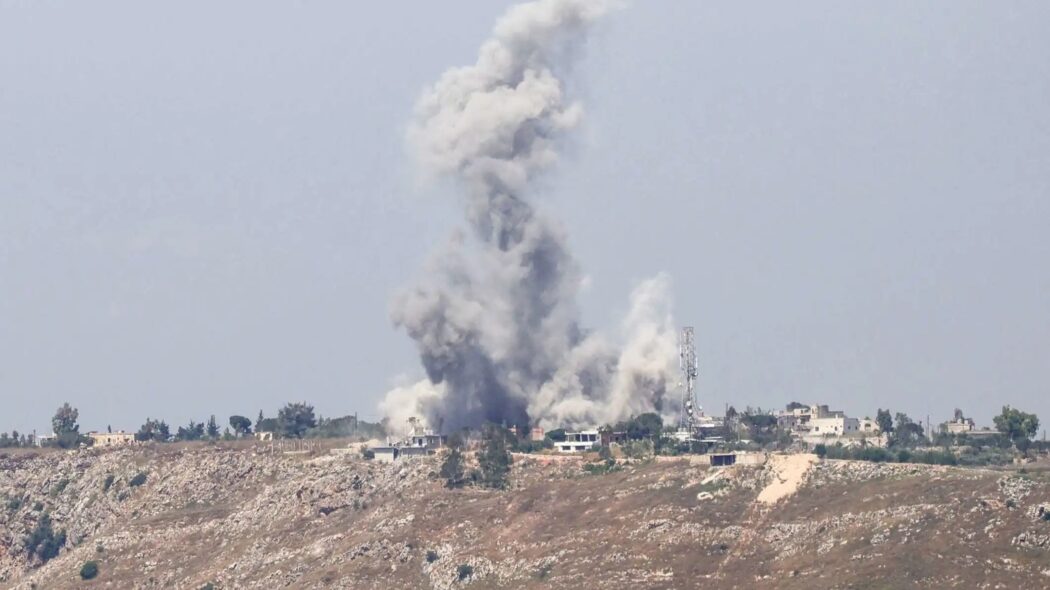
The West Asia crisis is showing no signs of ending. On Monday, June 1, U.S. President Donald Trump reportedly got angry at Israeli Prime Minister Benjamin Netanyahu over Israeli military actions in Lebanon as it put US peace deal with Iran in jeopardy. However, a day later, United States itself carried out fresh strikes against Iranian targets on Qeshm Island, making the whole thing a theatre of the absurd.
The developments in the region over the past couple of days highlight the contradictions and complexities that make a peace deal elusive. US is bombing Iran, Iran is bombing US bases, Israel is continuing bombardment of Lebanon, and apparently everyone is discussing a peace deal and want the war to end, it is so strange.
According to multiple reports, Trump personally intervened to stop a planned Israeli escalation in Beirut after Iran threatened to suspend ongoing negotiations with the United States over Israeli operation in Lebanon. The talks, which aim to reduce tensions in the Gulf and reopen the maritime trade chokepoint Strait of Hormuz, were already under significant strain. US President Trump warned Netanyahu that further strikes in Lebanon could derail fragile diplomatic efforts and increase regional instability. Even though Israel then refrained from attacking Beirut, the attacks on Lebanon still continue.
Donald Trump had publicly claimed that both Israel and Hezbollah had agreed to reduce hostilities, raising hopes that a wider regional de-escalation was possible. However, continued exchanges of fire and Israeli military activity in Lebanon threatened to undermine that progress.
Iran responded by warning that it could halt negotiations with America if Israeli operations in Lebanon continued. Iranian officials argued that any peace arrangement must also address the Lebanese front, where Iranian proxy Hezbollah is a state within a state and is a key player in the country. The Iranian position significantly complicated Trump’s diplomatic strategy, placing pressure on Washington to restrain Israel while maintaining its broader regional alliance.
Yet even as Trump publicly sought to preserve negotiations, events on the ground show that the United States is also escalating matters.
On Tuesday, June 2, U.S. forces carried out strikes on Iranian military facilities on Qeshm Island, located near the strategically crucial Strait of Hormuz. U.S. Central Command, as they have always done, described the strikes on Iran as a defensive response after Iranian missiles and drones targeted American forces and regional assets. American officials stated that several Iranian projectiles were intercepted before the retaliatory strikes were launched.
Iran’s Revolutionary Guard, however, called the confrontation a retaliation for U.S. actions against vessels linked to Iran and accused Washington of escalating the conflict. The exchange marked yet another episode in the increasingly dangerous cycle of action and reaction that has characterized the region in recent months.
The result is a paradox at the heart of current U.S. policy. Trump appears determined to secure a diplomatic breakthrough with Iran and prevent Israel from taking actions that could sabotage negotiations. At the same time, Washington continues to use military force against Iranian targets.
As tensions stretch from Lebanon to the Strait of Hormuz, the prospects for a lasting peace deal remain uncertain. Every Israeli strike, Hezbollah rocket launch, Iranian missile attack, or American retaliation now carries the potential to unravel months of diplomacy and plunge the region into a wider conflict.

