
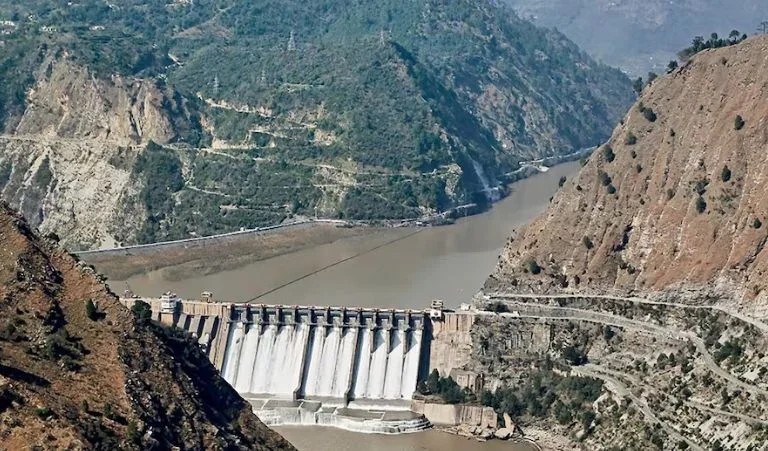
Nearly 66 years back, Indus Water Treaty was signed between India and Pakistan. The treaty between the two countries was about water sharing of the six major rivers of the Indus Basin. The treaty was suspended following the Pahalgam terror attack by Pakistan-backed terrorists which killed 26 people. Hindu tourists were identified and then slaughtered by Pakistani terrorists.
Following that, India suspended the Indus Water Treaty making it clear that the treaty will not resume till Pakistan doesn’t stop its support for terrorists. However, that is yet to happen as Pakistan continues to nurture terrorists even at the cost of their citizens who are getting desperate for water.
Now, Pakistan has once again turned to a western country in an effort to revive the Indus Waters Treaty (IWT), this time seeking Canada’s intervention to help restore the water-sharing arrangement with India.
During Canadian Foreign Minister Anita Anand’s visit to Islamabad, Pakistan’s Deputy Prime Minister and Foreign Minister Ishaq Dar reportedly urged Canada to support the immediate restoration of the treaty.
For Pakistan, the Indus Waters Treaty is not simply a diplomatic agreement but a vital component of its economic and agricultural security. The treaty governs the sharing of the waters of the Indus river system, with Pakistan relying heavily on the western rivers for irrigation, drinking water and power generation. Islamabad has repeatedly accused India of using the water issue as political leverage and has called for the international community to pressure New Delhi to restore the treaty’s implementation.
India, however, has taken a fundamental position. New Delhi has argued that the treaty in its existing form is no longer sustainable and has called for its renegotiation, citing changing circumstances, including development requirements, climate pressures and security concerns. The Indian government has also linked the future of the treaty to broader bilateral relations and has accused Pakistan of failing to address terrorism-related concerns.
Pakistan’s decision to approach Canada is significant because it reflects Islamabad’s wider effort to internationalise the dispute. Earlier, Pakistan had also sought the attention of the United Nations Security Council and urged the international community to push for the restoration of the treaty. The latest appeal to Ottawa therefore appears to be another attempt to build diplomatic pressure on India and encourage third-party involvement.
Yet Canada’s ability to directly influence the dispute remains limited. The Indus Waters Treaty was brokered with the involvement of the World Bank, and India has consistently resisted attempts to bring third countries into what it considers a bilateral matter. Any meaningful revival is therefore likely to depend primarily on direct negotiations between New Delhi and Islamabad.
The Canadian intervention request also highlights Pakistan’s growing concern over water security. With climate change, population growth and rising demand putting increasing pressure on South Asia’s water resources, the Indus basin is becoming even more strategically important.
For now, Pakistan’s outreach to Canada represents a diplomatic push rather than a breakthrough. Whether it can translate international concern into a renewed India-Pakistan dialogue will depend on much larger questions of trust, security and the future of bilateral relations.

