
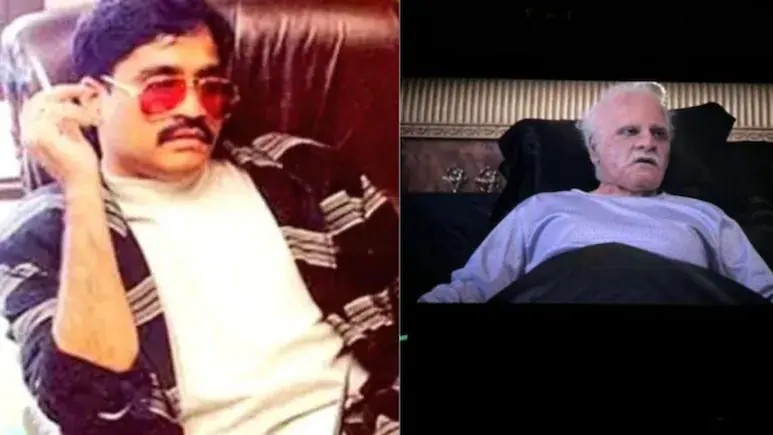
For decades, Indian cinema has had a complicated relationship with the underworld. Films inspired by Mumbai’s criminal networks often walked a thin line between portraying crime and romanticising it. Gangsters were frequently shown as stylish, powerful anti-heroes — men of influence who commanded fear but also admiration. Somewhere in that storytelling tradition, the human cost of organised crime often faded into the background.
That is what makes Dhurandhar stand out in the current conversation surrounding the film.
Unlike the familiar cinematic template of the “larger-than-life don,” Dhurandhar is being discussed as a project that shifts the lens away from glamour and toward consequences. Rather than presenting underworld figures as charismatic rebels operating outside the system, the film’s tone appears to place emphasis on violence, fear, and the national security dimensions associated with organised crime and terrorism.
For years, fictionalised depictions inspired by underworld figures created an image that sometimes blurred the line between criminal notoriety and celebrity. Expensive suits, dramatic dialogues, loyalty codes, and stylised storytelling often turned crime bosses into cultural icons.
But critics of that approach have long argued that such portrayals overlook a harder reality.
Dawood Ibrahim is not remembered in public discourse merely as an underworld figure but as someone involved in terrorism-related activities and networks linked to acts of mass violence. For many, reducing that history into cinematic swagger always felt incomplete.
That is why Dhurandhar has generated interest.
The conversation around the film suggests that it may be attempting to move away from the old formula. Instead of building fascination around the image of the don, it appears to frame such figures through the consequences of their actions — fear, disruption, and the long shadow left on society.
This shift reflects a broader change in audiences as well. Viewers today are often less interested in glorified outlaw narratives and more interested in accountability, context, and realism. Crime stories are no longer judged only by how stylish their characters look but also by what the stories choose to emphasise.
That does not mean cinema cannot explore complex criminal characters. But complexity is different from admiration.
If Dhurandhar ultimately succeeds in changing how mainstream audiences engage with stories around D-Company and organised crime, its contribution may not be in controversy or spectacle. It may simply be in reminding viewers that behind every mythologised underworld legend lies a trail of victims, fear, and consequences.
And perhaps that is why the film has drawn attention — not because it revisits an old story, but because it chooses to tell it differently.

