
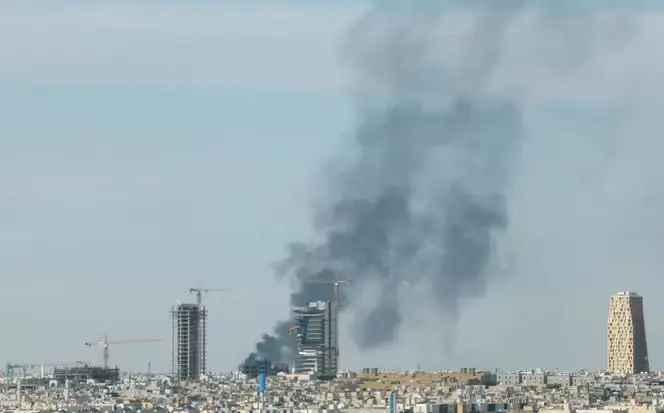
The US Iran ceasefire has been over for days with both countries exchanging strikes as the conflict continues to escalate.
Now, the conflict is entering an increasingly dangerous phase, with the violence drawing more countries directly into the confrontation. The latest developments involving Iran-backed Houthi forces from Yemen, Saudi Arabia, Bahrain and Kuwait point to the growing risk of a wider regional war.
Iran-aligned Houthi rebels have opened a new front by targeting Saudi Arabia. The Iranian-backed Houthis have claimed a missile attack on Saudi Arabia, after Riyadh launched strikes on targets linked to the group on Friday, July 24.
The Houthis have also threatened a naval blockade of Saudi Arabia, raising concerns over shipping and energy supplies in the Red Sea and surrounding waters. Their actions come amid a broader escalation involving attacks on maritime routes and retaliation against targets linked to the United States and its regional partners.
The situation has become even more serious with reports that Bahrain and Kuwait have carried out strikes against military targets inside Iran. These strike would represent a major shift in the Gulf states’ approach to the conflict, moving from defensive operations to direct military retaliation. UAE reportedly aided Bahrain and Kuwait in launching these strikes. Reports indicate that the strikes targeted Iranian missile and drone storage facilities, although Kuwait has publicly denied taking part in offensive action against Iran.
The escalation is particularly significant because both Bahrain and Kuwait host important US military assets. Iran has already targeted American facilities and military positions in the region, while the United States has continued its campaign against Iranian military and strategic targets. This has created a dangerous cycle in which every new attack risks triggering another round of retaliation.
The conflict is also threatening global trade. The Red Sea and the Strait of Hormuz are among the world’s most important maritime chokepoints, and disruptions in either region can push up shipping costs, delay energy supplies and increase global oil prices. The Houthi threat to Saudi shipping could therefore have consequences far beyond the Middle East.
What began as a direct confrontation between the US and Iran is increasingly becoming a multi-front regional conflict. With Gulf states now facing pressure to respond, Iran-backed groups opening new fronts and shipping routes under threat, the danger is no longer limited to military escalation. The biggest concern is that a single miscalculation could trigger a much broader war across the Middle East.

