
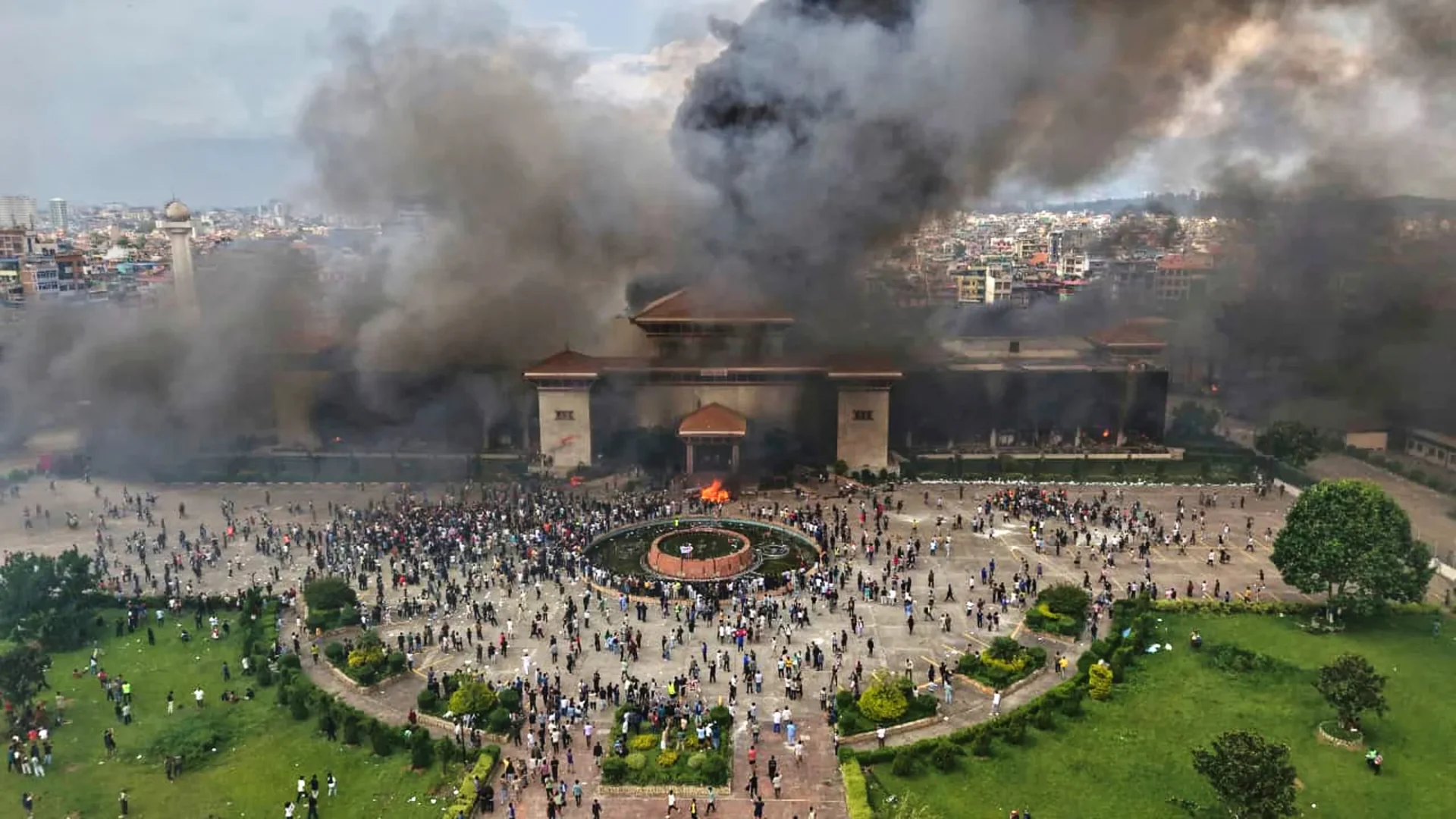
Less than a year after Nepal’s youth-led uprising transformed the country’s political landscape, the same generation that demanded change is once again filling the streets of Kathmandu, and this time against the very Gen Z Prime Minister they helped elect. The protests are no longer directed at Nepal’s old political establishment, but at the very government many young voters helped bring to power.
The latest wave of demonstrations reflects the difficult transition from revolutionary politics to the realities of governance. The protests escalated after a 25-year-old ride-share driver set himself on fire during a dispute with municipal police.
Last year’s “Gen Z protests” became one of the most significant political movements in Nepal’s recent history. Triggered by anger over corruption, restrictions on social media, unemployment, and perceived government failures, the protests ultimately led to the collapse of the Oli government. Following fresh elections, Kathmandu Mayor Balendra “Balen” Shah, the face of Nepali Gen Z, emerged as Nepal’s new Prime Minister, becoming the face of a generational shift in Nepali politics.
Balen Shah, to the Gen Z of Nepal, represented a complete break from traditional politics. His anti-establishment image, strong social media presence, and promises of transparent governance resonated with a generation frustrated by decades of political instability.
However, governing a country has proved far more difficult than campaigning against the political elite.
The current protests have been fueled by two emotionally charged issues. The first, as mentioned earlier, the death of 25-year-old ride-sharing worker Ganesh Nepali, who set himself on fire outside Kathmandu’s Department of Passports after an altercation with police over a traffic fine. His death has become a symbol of growing frustration among young people who believe ordinary citizens continue to suffer from bureaucratic insensitivity and excessive policing.
The second flashpoint has been the government’s eviction drive against landless squatters. Protesters argue that while removing illegal settlements may be legally justified, authorities failed to provide adequate rehabilitation or resettlement plans. Images of displaced families living in temporary holding centres have sparked widespread criticism across social media, drawing students, activists, journalists and civil society groups into the movement.
For Prime Minister Balen Shah, these protests present a major political test of his administration, will he be able to measure up. During last year’s movement, he stood alongside young protesters demanding accountability from those in power. Today, those same demands are being directed at him.
The irony is difficult to ignore. Protest slogans calling for transparency, humane governance and accountability are remarkably similar to those heard during the movement that elevated the current PM to national leadership.
Balen Shah is learning quickly that winning elections by promising sweeping change is easier than delivering rapid improvements in governance.
Whether the current protests develop into a larger anti-government movement will depend largely on how the administration responds. A transparent investigation into the self-immolation case, a more compassionate approach to evictions and greater engagement with protesters could help reduce tensions. Heavy-handed policing, on the other hand, risks deepening public anger and reviving memories of last year’s deadly unrest.
The events unfolding in Nepal demonstrate an enduring political reality, young voters may be willing to give new leaders an opportunity, but they are equally prepared to hold them accountable if they believe promises of change remain unfulfilled. In that sense, Nepal’s Gen Z movement has evolved beyond opposing a particular government, it has become a force demanding results from whoever occupies power.

