
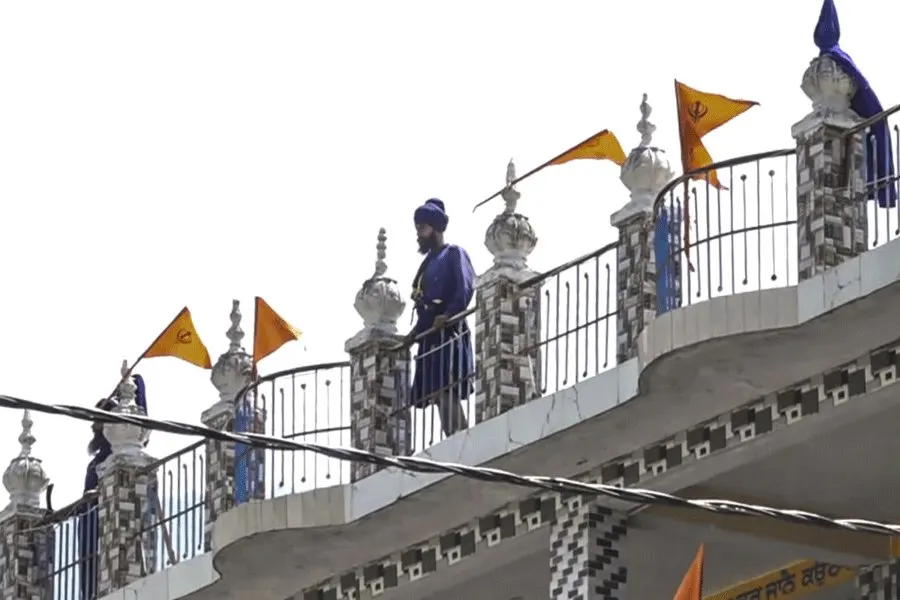
Recent incidents involving Nihang Sikhs and residents in pilgrimage areas have sparked concern and anguish across communities in Uttarakhand. A parking dispute that escalated into violence, followed by a tense gurdwara standoff lasting three to four days, created temporary friction. These events, though regrettable, must be viewed in their proper context. They represent isolated episodes involving specific grievances rather than any fundamental breakdown in relations. The swift and peaceful resolution through dialogue, coupled with the administration’s measured and unbiased approach, offers a reassuring example of how such challenges can be addressed without damaging the deep-rooted unity between Hindus and Sikhs that has endured for centuries.
India’s strength has always lain in its ability to rise above momentary discord. Hindus and Sikhs share not just geographical space, but a profound civilizational bond forged through shared history, mutual respect, and countless joint sacrifices. The mature handling of the recent events- where demands for justice were met with calls for impartial investigation and peaceful negotiation- reinforces this enduring partnership.
Administration’s balanced approach
The sequence began with a minor parking dispute in a pilgrimage zone between Nihang Sikh pilgrims returning from a sacred yatra and local traders. What started as a routine disagreement quickly escalated into physical confrontation, resulting in injuries on both sides and the arrest of four Nihang Sikhs. In response, a group of Nihangs occupied parts of a gurdwara, demanding the release of their community members. The situation remained tense for three to four days, with traditional weapons visible and security forces deployed to maintain order.
Throughout this period, the local administration demonstrated commendable restraint and neutrality. Security deployment was calibrated to prevent violence rather than provoke it. Pilgrim movements, including the important Hemkund Sahib yatra, were allowed to continue with minimal disruption. Langar services at the gurdwara remained operational, ensuring that the core spirit of seva was not interrupted. The administration’s priority was clear: to protect public peace while addressing legitimate concerns from all parties. This balanced stance helped de-escalate emotions and created space for meaningful dialogue.
Calls for fairness and impartial investigation
Major Sikh organizations, respected community leaders, and voices from across the political spectrum responded swiftly by demanding a fair, transparent, and impartial investigation into the original clash. They sought clarity on the sequence of events, accountability for any excesses, and assurance that pilgrims would not face undue hardship. The administration responded positively by transferring the case to a different district to ensure neutrality and ordering a comprehensive inquiry into the entire sequence of events, with a mandate to submit findings within a stipulated timeframe.
This convergence of community demands, and official action helped restore confidence. It sent a strong message that justice would not be sacrificed for expediency and that no community would be prejudged. Such responsiveness is crucial in a diverse country like India, where faith-based sensitivities can quickly amplify localized issues. By acting with fairness, authorities prevented the narrative from hardening into communal lines and kept the focus on truth and reconciliation.
Sikh ethos: Defense of the nation and sarbat da bhala
These incidents must be seen against the magnificent canvas of Sikh contributions to the nation. Sikhs form about 2% of India’s population yet have consistently punched far above their weight in every sphere. During the freedom struggle, Sikhs accounted for a disproportionately high number of martyrs. Out of the 121 patriots hanged by the British, a large percentage were Sikhs. They played pivotal roles in the Ghadar Movement, the Akali campaigns, and countless acts of defiance against colonial rule.
In independent India, Sikh soldiers have distinguished themselves in every major war- 1962, 1965, 1971 and Kargil. The community’s martial tradition, particularly embodied by the Nihangs, traces back to Guru Hargobind Sahib and Guru Gobind Singh Ji, who established the Khalsa as a force for protecting dharma and the weak. Nihangs represent a disciplined warrior-saint order known for their courage, austerity, and unwavering commitment to justice.
Equally important is the Sikh commitment to humanity. The institution of Langar- free community kitchens serving hot meals to anyone irrespective of caste, creed, or religion- stands as a shining example of practical equality and compassion. Millions are fed daily through gurdwaras across the country, especially during natural calamities and festivals. At the heart of this service lies the principle of Sarbat da Bhala- “the welfare of all.” Recited in every Ardas, this universal invocation prays for the well-being and prosperity of all humanity. It is not merely a slogan but a lived philosophy that has guided Sikhs through centuries of trials and continues to inspire their role as protectors and servers of society.
Peaceful resolution: A model of maturity
The gurdwara standoff reached a peaceful conclusion on the fourth day after constructive negotiations involving Sikh delegations from Punjab, gurdwara management, and local authorities. The Nihang group vacated the premises in an orderly manner, with no fresh arrests made during the resolution process. Normalcy returned swiftly, and an official inquiry into all aspects of the episode was initiated to ensure complete transparency.
This outcome stands as a model of maturity. It highlighted the preference for dialogue over confrontation and the administration’s commitment to non-partisan methods. Community leaders on all sides demonstrated responsibility by prioritizing peace and the larger interest of communal harmony. In a time when social media often amplifies anger, the restraint shown by both the authorities and Sikh bodies deserves appreciation.
Way forward: Strengthening the bond
Isolated incidents, however unfortunate, should never be allowed to strain the centuries-old Hindu-Sikh relationship. This bond is rooted in shared history- from joint resistance against foreign invasions to participation in India’s freedom movement and nation-building. Many Sikh gurus had close associations with Hindu saints and traditions, and the two communities have combined culturally and socially for generations.
To move forward constructively:
- Ensure swift completion of fair and transparent investigations so that truth prevails and accountability is fixed wherever due.
- Encourage regular dialogue forums between religious leaders, local representatives, and administration in sensitive pilgrimage regions.
- Promote greater awareness of each other’s traditions through educational programmes and cultural exchanges.
- Strictly uphold the rule of law while showing sensitivity to religious sentiments and historical practices.
- Focus collective energy on common goals such as smooth conduct of pilgrimages, environmental protection of sacred sites, and inclusive development.
India’s pluralistic fabric has always been resilient. Hindus and Sikhs have stood shoulder to shoulder as defenders of the nation and builders of its future. The spirit of Sarbat da Bhala calls upon all to rise above narrow considerations and work for the collective good. When guided by fairness, dialogue, and mutual respect, even genuine differences can become opportunities to deepen understanding rather than divide.
The recent peaceful resolution offers hope and a template. Temporary tensions will fade, but the timeless Hindu-Sikh bond- forged in sacrifice, service and shared destiny; will continue to shine as one of India’s greatest strengths. Let us reaffirm this unity with renewed commitment, ensuring that our shared future remains harmonious, inclusive and strong in India.

