
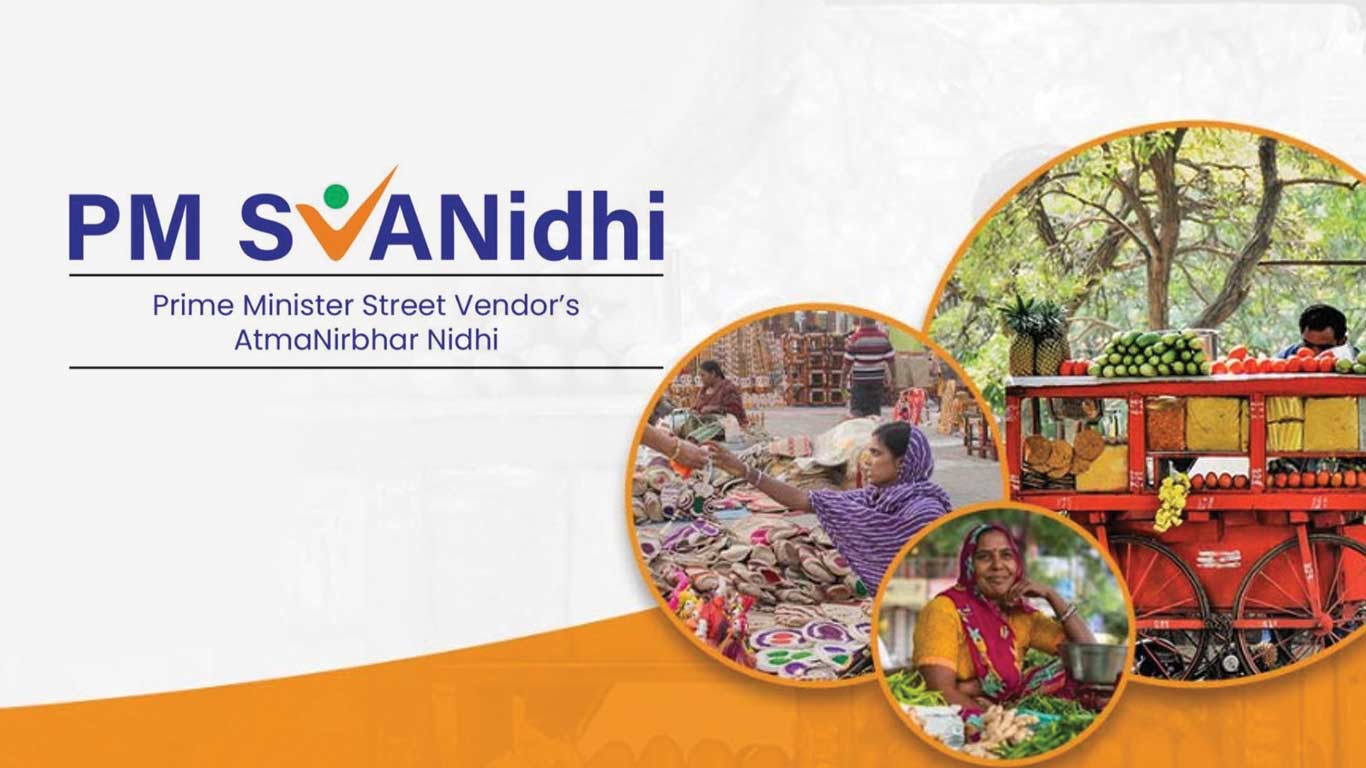
Imagine being a street vendor with no collateral, no formal credit history, and little financial security. Access to institutional credit would seem almost impossible. It was precisely this challenge that the Government of India sought to address through the PM SVANidhi scheme, launched in 2020 during the COVID-19 pandemic.
The scheme provided collateral-free working capital loans of ₹10,000 to street vendors, enabling them to restart their businesses after the devastating economic disruptions caused by the pandemic. Six years later, PM SVANidhi has evolved into much more than a relief measure—it has become a pathway to financial inclusion and economic empowerment.
A recent research study conducted by Professor Prasanna Tantri and his team sheds light on the scheme’s long-term impact. The researchers tracked nearly 5,000 street vendors across 100 municipal locations in 18 states over a four-year period, conducting two comprehensive surveys to assess the programme’s effectiveness.
Their findings reveal that PM SVANidhi has delivered benefits on three key fronts, immediate post-pandemic relief, business growth, and the creation of credit histories and digital identities.
The first impact was immediate economic recovery. The initial loan was specifically designed to serve as working capital. For many vendors, particularly those selling vegetables, fruits, or daily-use goods, an investment of ₹5,000 to ₹10,000 was sufficient to replenish stock and resume operations. The scheme provided a timely lifeline when traditional credit channels were inaccessible.
The second phase focused on growth. Vendors who repaid their loans on time became eligible for larger loans under a graduated lending structure. The scheme was restructured to offer successive loan tranches of ₹15,000, ₹25,000, and eventually ₹50,000. This “credit ladder” rewarded responsible repayment behavior and encouraged business expansion.
According to the research, many vendors used these larger loans not only for working capital but also to acquire productive assets such as refrigerators, stoves, and second-hand vehicles. These investments helped them expand their businesses, diversify their product offerings, and increase operational efficiency. On average, the study found that businesses experienced growth of nearly 20 percent under this model.
Perhaps the most significant outcome, however, has been the creation of formal credit histories. Traditionally, many street vendors operated entirely outside the formal financial system, making it difficult for lenders to assess their creditworthiness. PM SVANidhi helped break this cycle by establishing verifiable repayment records, allowing financial institutions to better understand vendors’ cash flows and repayment capabilities.
The scheme has also accelerated digital adoption. The research found that approximately 85 percent of vendors now use digital payment systems, a substantial increase from around 40 percent in 2022. Digital transactions create a reliable financial trail, enabling lenders to assess income patterns and earning capacity more accurately. This, in turn, improves access to future credit opportunities.
Recognizing these positive outcomes, the government has extended the scheme’s lending period until March 31, 2030. The restructured programme aims to reach 1.15 crore beneficiaries across the country.
An important recent addition is the UPI-linked RuPay Credit Card. Vendors who have successfully repaid their second loan can now access instant credit whenever they face short-term working capital needs. This feature further strengthens the scheme’s role as a bridge between informal businesses and formal financial services.
Today, PM SVANidhi is no longer just a loan programme. It has evolved into a step-by-step credit ladder that helps vendors build financial credibility, expand their businesses, and integrate into the formal economy.
Its greatest achievement lies not merely in providing capital but in offering something equally valuable: identity, repayment history, and a pathway to long-term economic mobility. The findings of Professor Prasanna Tantri’s research reinforce this conclusion, highlighting how PM SVANidhi has enabled street vendors to build credit histories, establish digital identities, and gain greater access to markets.
In that sense, the story of PM SVANidhi is not just one of survival after a crisis—it is a story of self-reliance, financial inclusion, and opportunity for millions of India’s street vendors.

