
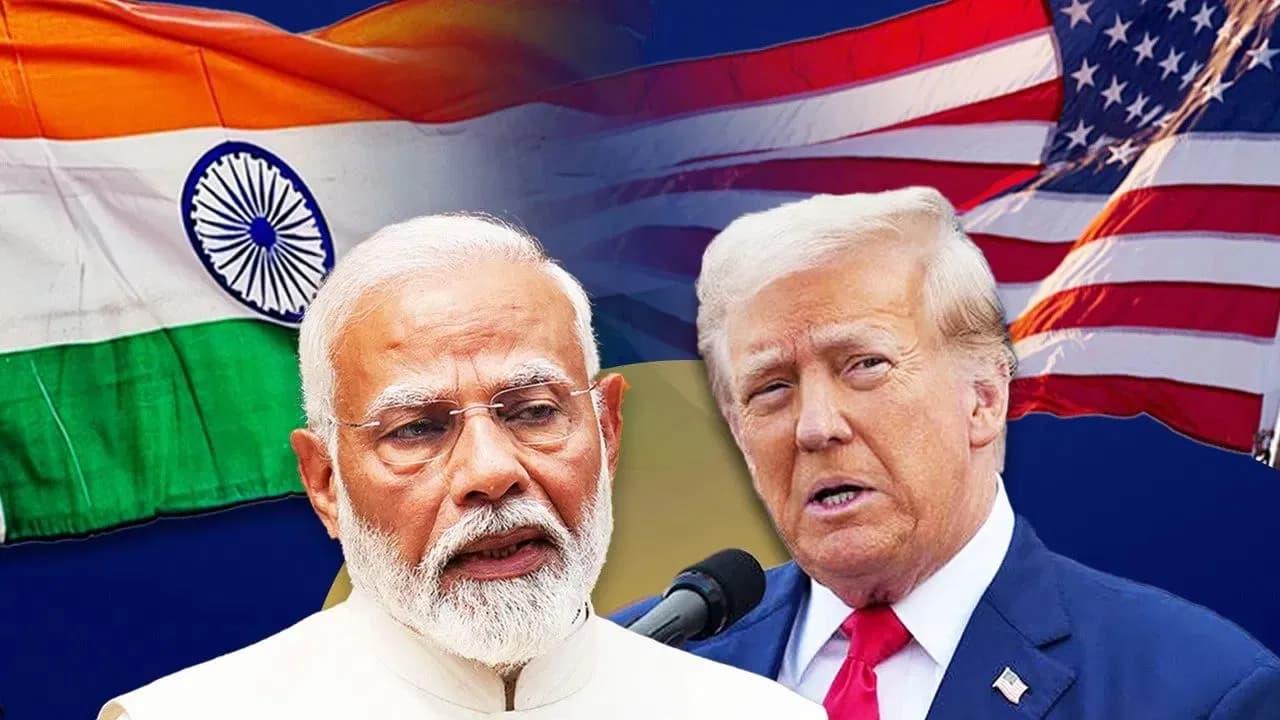
United State of America President Donald Trump today called Prime Minister Narendra Modi amid the Middle East war.
PM Modi said India supports de-escalation and restoration of peace at the earliest. He also added that ensuring the Strait of Hormuz remains open, secure and accessible is essential for the whole world.
This call clearly highlights India’s diplomatic approach to the heightened crisis in the Middle East.
The Strait of Hormuz remains a critical artery for global energy flows, carrying nearly a fifth of the world’s oil supply. With Iran tightening its grip over maritime movement and raising fears of a potential blockade, global markets are on edge.
India, like many other countries, depends significantly on energy imports through this route. Naturally, the stakes are particularly high. Yet, New Delhi’s handling of the situation has been notably calibrated, prioritising energy security while avoiding overt alignment in a rapidly polarising conflict.
In contrast, the United States under Trump has displayed a more volatile approach. Military strikes on Iranian targets, followed by abrupt announcements of pauses and negotiation windows, have contributed to uncertainty on the ground. Just few hours prior, Iran launched missile strikes on Israel shortly after Washington signalled a temporary halt in operations, exposing the limits of coercive signalling without sustained diplomatic backing.
India, on the other hand, has maintained consistent engagement with all stakeholders, balancing its strategic partnerships without escalating rhetoric. Rather than issuing ultimatums or public deadlines, Modi’s approach has emphasised dialogue, de-escalation and the uninterrupted flow of global trade, especially through critical sea lanes.
India’s response amid the war reflects a broader strategic maturity: safeguarding national interests while contributing to regional stability.
In a moment of global uncertainty, the contrast is evident. Where Washington’s approach has oscillated between pressure and pause, New Delhi has projected steadiness, positioning India as a more predictable and diplomatically balanced actor in an increasingly fragile geopolitical landscape.

