
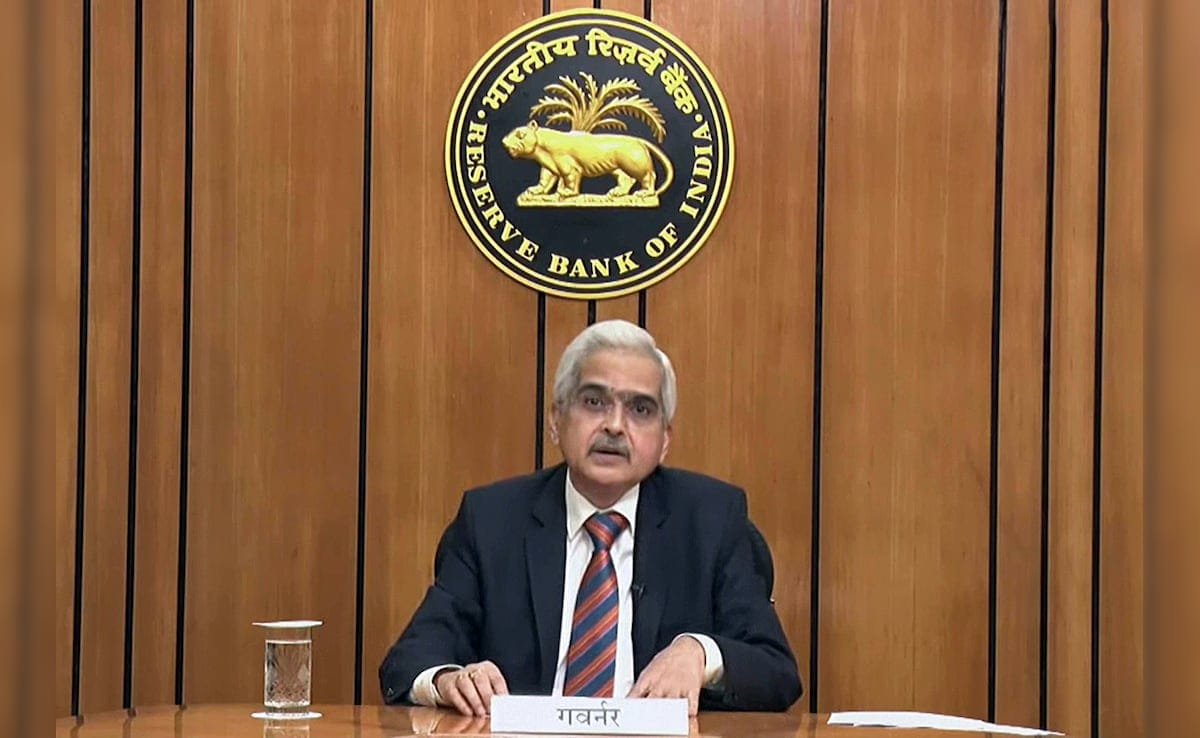
At a time when the world is facing continued shocks and unpredictable changes, India’s path is becoming clearer and more confident. Shaktikanta Das, Principal Secretary-2 to the Prime Minister, shared that the country is placing strong emphasis on building domestic capacity, carrying forward structural reforms, and maintaining stability in fiscal, monetary, and macroeconomic areas.
This approach is seen as the foundation for steady growth even when external conditions remain difficult. The message is simple: strengthen what happens inside the country, reduce dependence on imports in critical areas, and keep the system resilient.
The economy is described as being at a pivotal moment, with the vision of Viksit Bharat 2047 feeling increasingly achievable. Real GDP growth in the first quarter of 2026-27 stood at an impressive 7.8%, and when the period from July 2025 to June 2026 is considered together, growth just crosses the 8% mark.
This aligns with earlier remarks that India is within striking distance of sustained 8% expansion. The underlying idea is that past reforms were not one-time fixes but were designed to create buffers that help absorb disruptions and support quick recovery.
Self-reliance, or Atmanirbharta, is being presented not as isolation but as strategic strength. The emphasis is on building stronger domestic capabilities while staying integrated with global markets and signing more free trade agreements.
In practical terms, this means focusing on sectors where import dependence is high, such as energy and fertilisers, and developing long-term capacity in these areas. The goal is to reduce vulnerability to external supply shocks while remaining an active participant in global trade.
India’s resilience is attributed to a set of broad and mutually reinforcing reforms carried out over the past decade. These include flexible inflation targeting, the introduction of GST, fiscal prudence, the push for digital payments, and banking sector reforms.
On the external front, indicators have remained resilient due to export diversification, free trade agreements, a sustained surplus in services trade, and steady inward remittances. Together, these factors have helped the financial sector emerge as a strong pillar supporting economic growth.
Looking ahead, the next phase of growth is expected to be supported by harnessing the artificial intelligence revolution. India’s AI strategy rests on two complementary pillars. The first is sovereign AI capability, which involves investments in indigenous foundation models, high-performance computing infrastructure, semiconductor development, and a robust innovation ecosystem.
This is seen as essential for sustaining high growth and ensuring that technological advances benefit the domestic economy.
At the same time, there is a call for deepening the financial sector to match India’s expanding economic weight. While the financial system has evolved significantly, the next stage will require more long-term finance and patient capital.
This points towards further development of the corporate bond market, growth in pension and insurance funds, stronger municipal finance, and innovative approaches to infrastructure financing. The overall direction is to create a financial environment that can support large, long-duration projects and sustain momentum in investment.
The broader narrative is one of cautious optimism. With domestic capacity being strengthened, reforms continuing, and stability maintained across key macroeconomic areas, the economy is being positioned to handle global uncertainty while moving closer to the 8% growth threshold. The focus remains on practical steps that reduce import dependence, expand domestic competence, and use technology and finance as growth multipliers.

