
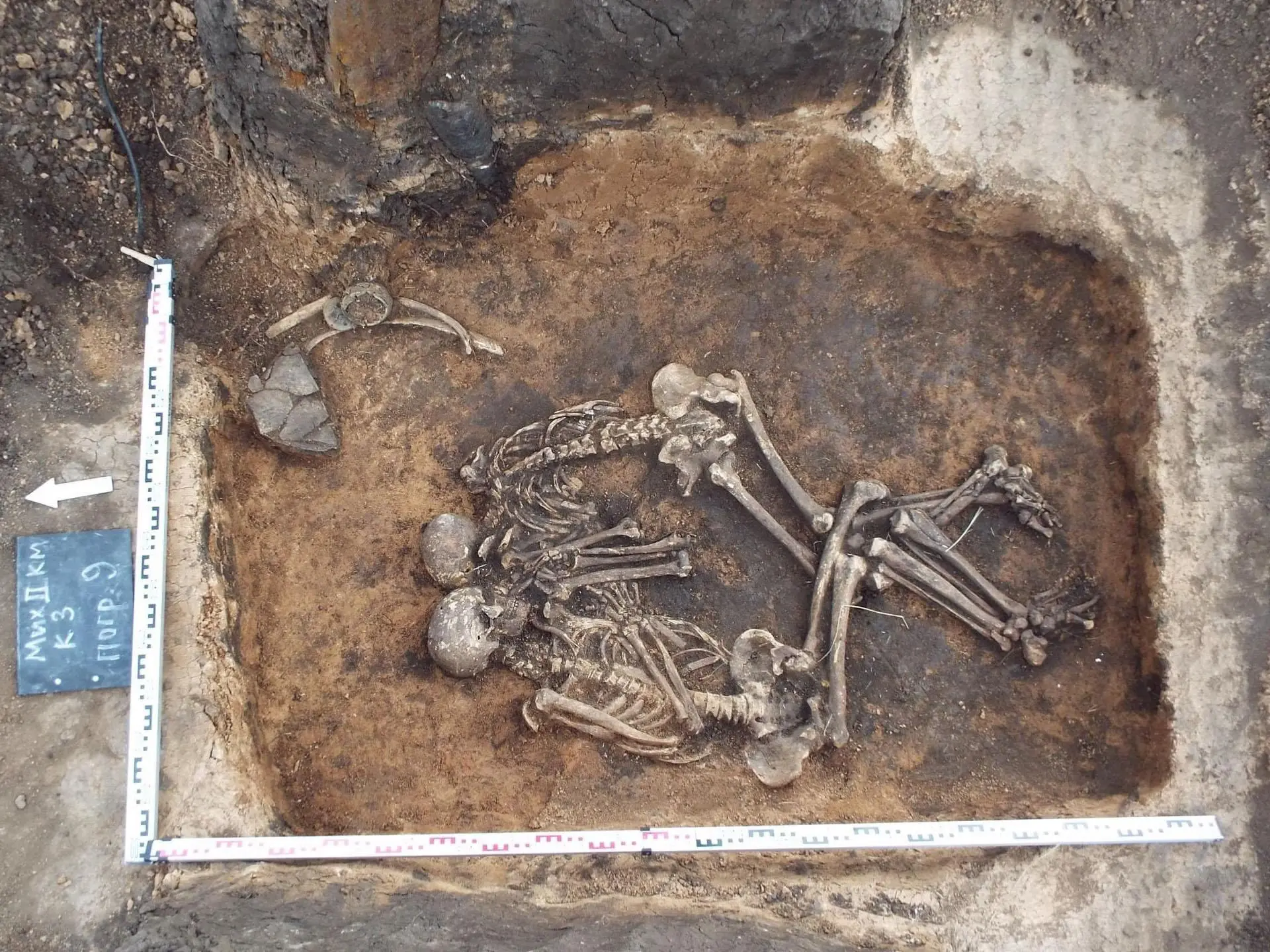
A disease that once brought medieval Europe to its knees is suddenly back in the headlines, and humanity fought long and hard against this disease.
Reports from Russia have raised alarm after a laboratory worker in Siberia died following what authorities are investigating as a suspected pneumonic plague infection. Nearly 200 people who may have had contact with her have reportedly been placed under medical observation, while authorities investigate how she became infected. The case has triggered international attention because she worked at an anti-plague research institute.
But there is an important distinction, plague has not returned as a medieval-scale pandemic. The current Russian incident remains a suspected case, and officials have not reported an outbreak among the people being monitored. If you have seen the TV show House, you know plague can happen to anyone, even today.
Still, the very mention of plague evokes one of history’s most terrifying catastrophes — the Black Death.
During the 14th century, plague swept through Europe on an enormous scale. The World Health Organization says the pandemic caused more than 50 million deaths in Europe. The disease was caused by the bacterium Yersinia pestis, which continues to exist in animal populations today.
Medieval societies had no antibiotics, no modern microbiology and little understanding of how infectious diseases spread. As plague moved through populations, it devastated entire communities. Fear, isolation and death became defining features of the era.
Today, however, the situation is dramatically different.
Plague is not a forgotten disease, but neither is it the unstoppable killer it once was. The bacterium remains present in natural reservoirs, particularly among small mammals and their fleas. Humans can become infected through flea bites, contact with infected tissues or, in the case of pneumonic plague, inhalation of infectious respiratory particles.
There are three major forms of Plague, bubonic, pneumonic and septicaemic plague. Bubonic plague is the most common and produces the characteristic painful swollen lymph nodes known as buboes. Pneumonic plague is particularly dangerous because it affects the lungs and can spread from person to person through respiratory particles.
Modern antibiotics can effectively treat plague when the disease is diagnosed and treated quickly. The WHO stresses that early diagnosis and treatment can save lives, although untreated pneumonic and septicaemic plague can be rapidly fatal.
And plague never actually disappeared from the world. According to the WHO, human plague remains endemic in several countries, with most reported cases in recent years coming from the Democratic Republic of the Congo and Madagascar.
That is why the Siberian case is a reminder, not proof, of a new Black Death.
The medieval killer still exists. But humanity is no longer defenceless against it.

