
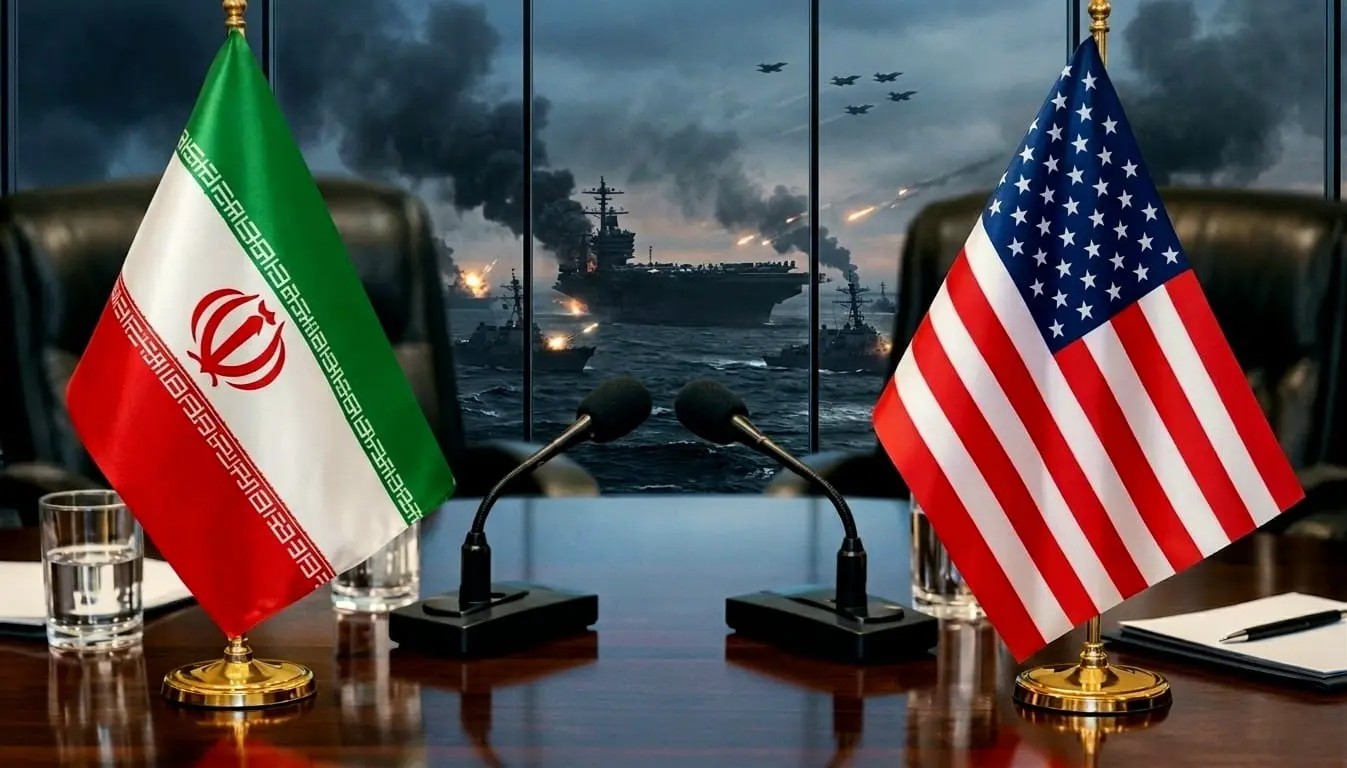
The tense ceasefire between Iran and the United States was agreed over 6 weeks back. However, the final peace deal between the two is still proving elusive ensuring that the global energy markets remain as volatile as they were before the ceasefire. The pace at which the peace talks are continuing, interspersed with provocative statements by the two countries, doesn’t look like the peace deal is right around the corner either.
The talks have now once again entered a critical phase, with both sides dropping hints that some progress is being made on key issues. However, despite some cautious optimism emerging from recent rounds of talks, officials believe that a final peace agreement is still days away.
The negotiations between the two countries are majorly focused on sanctions relief, Iran’s nuclear program, maritime security, and the future of shipping routes through the strategically vital Strait of Hormuz. While both Washington and Tehran have indicated willingness to continue discussions, major disagreements remain unresolved.
The slow pace of negotiations is keeping global markets on edge because the Strait of Hormuz has now been closed for nearly 3 months. Every day it remains closed, it adds more uncertainty to the energy markets. The narrow waterway, a maritime chokepoint, carries nearly one-fifth of the world’s oil and liquefied natural gas shipments. After US and Israel launched strikes on Iran on February 28 this year, Iranian regime quickly closed the narrow passage throwing world energy markets into chaos.
Although there have been intermittent reports suggesting possible breakthroughs, the strait remains closed due to Iranian blockade. Reuters recently reported that investors remain doubtful about an immediate breakthrough, causing oil prices to stay elevated amid fears that shipping disruptions may continue for an extended period.
This prolonged uncertainty has direct implications for the global economy, and will result in pain for the consumers worldwide. Crude oil prices, while fluctuating daily based on negotiation headlines, continue to trade at elevated levels compared to pre-conflict periods. Until the Strait of Hormuz is fully reopened and commercial traffic normalises, the prices will continue to remain high.
There have been some optimistic market reactions in recent days after some positive noises from the two parties involved, but they have been tempered by caution. Brent crude briefly fell after reports emerged suggesting progress in the talks, but the prices are still very high compared to pre-war prices and remain highly volatile.
For major oil-importing countries such as India, the situation poses a serious economic challenge. India imports over 85% of its crude oil requirements. The higher crude oil prices mean increase in import bill, pressure on domestic fuel prices, and inflationary risks. Shipping delays and higher insurance costs for vessels operating near the Gulf region are also adding to the cost of the import of oil. Even though India absorbed the initial shock that arose from closure of Strait of Hormuz, disruption lasting months has now forced the government to increase the retail price of fuel. If the situation persists, more pain for retail consumers will be inevitable.
Experts further warn that even if a peace agreement is eventually signed, reopening the Strait of Hormuz completely will not happen overnight. Tanker traffic, maritime inspections, insurance clearances, and security guarantees would all take time to normalise. The return to pre-war traffic through Strait of Hormuz may actually take several weeks after the reopening of the strait.
Diplomatic efforts are continuing, but the absence of a final agreement means that disruptions in oil supply are likely to persist in the near future. Until concrete progress materialises, global crude prices are expected to remain volatile and elevated.

