
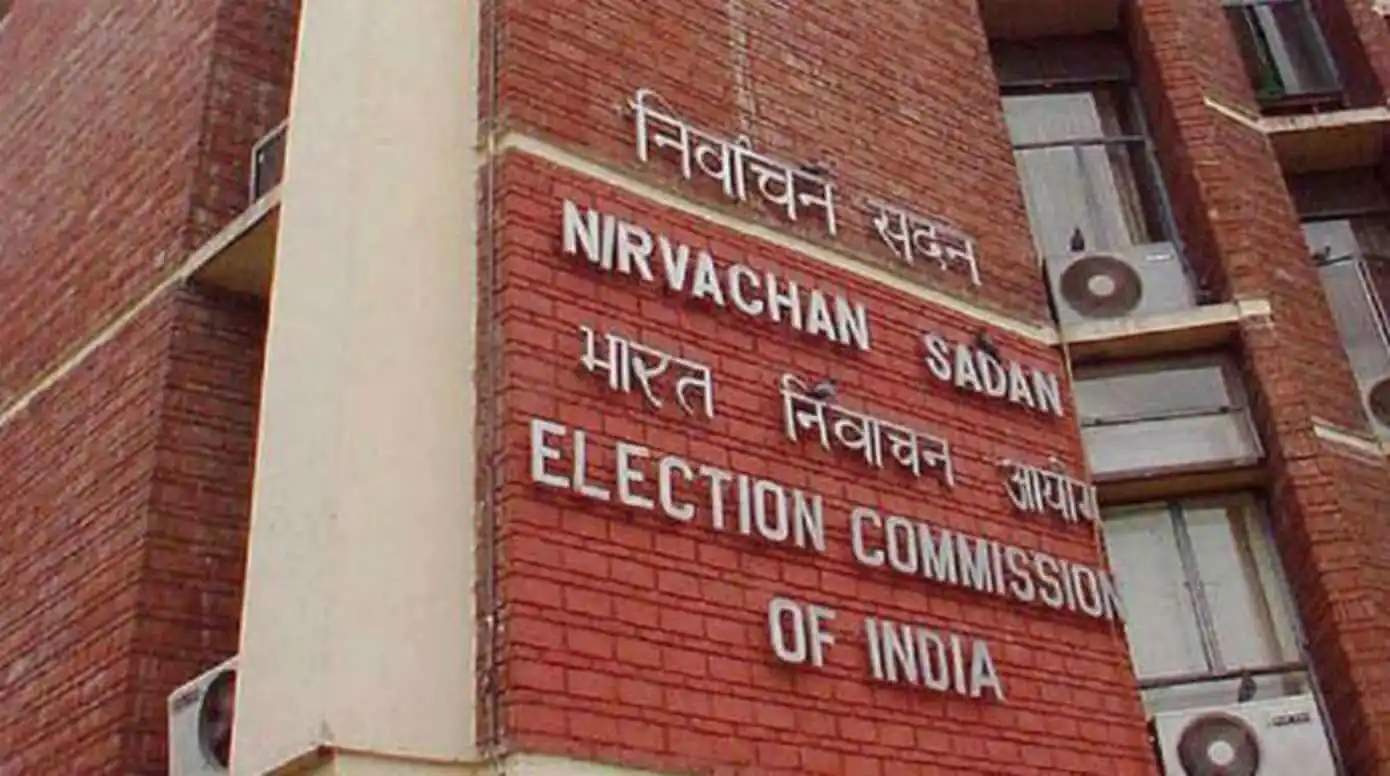
India’s Opposition has increasingly made the Election Commission of India its main political target. The argument from Opposition parties is that questions surrounding voter-list revisions, deletions and the functioning of the poll panel must be answered transparently. All those questions have been answered transparently, but the opposition keeps repeating the same allegations.
At the same time, there is a broader political question- Is criticism of the Election Commission becoming a substitute for confronting the BJP directly in elections?
The question has gained fresh relevance after The Indian Express reported that Election Commissioners Sukhbir Singh Sandhu and Vivek Joshi had recorded objections at least 14 times over 10 months regarding decisions concerning electoral rolls, new voters, deletions, Form 6 and the management of voter data.
Opposition leaders immediately seized on the report. Uddhav Thackeray said the objections validated Opposition concerns about the functioning of the Commission, while Rahul Gandhi has repeatedly accused the BJP and the ECI of manipulating the electoral process, the claims by these opposition leaders were rightfully rejected by the Commission.
But there are two separate questions here.
The first is whether the Election Commission should be scrutinised. Absolutely. Electoral-roll changes directly affect citizens’ ability to vote, and allegations concerning voter deletions, database management or procedural changes deserve examination through evidence, institutional responses and, where necessary, judicial scrutiny. The Supreme Court has itself recently questioned aspects of the Delhi SIR process, saying some notices appeared to have been issued “mechanically”.
The second question is whether every electoral setback or political difficulty should primarily be explained through the Election Commission.
That is where the Opposition faces a larger political challenge.
The BJP’s electoral strength cannot simply be reduced to the functioning of the poll panel. Elections are also contests about political organisation, alliances, candidate selection, campaign strategy, local networks, governance records, and the ability to connect with voters. Holding the Election Commission accountable and building a stronger electoral challenge are not mutually exclusive.
Indeed, the recent internal disagreements reported within the ECI make the issue more complicated. The Commission has maintained that differing views are a normal part of institutional deliberation and that its final decisions have been unanimous.
Therefore, the political debate should move beyond the binary of “trust the ECI” versus “blame the ECI”.
Opposition parties have every right to question the Commission and demand transparency. But ultimately, democratic politics is decided not only inside election offices but also among voters.
If the Opposition wants to counter the BJP electorally, scrutiny of institutions can be one part of its strategy, but voter confidence, organisation, political messaging and an alternative governing proposition remain central to the electoral contest.

