
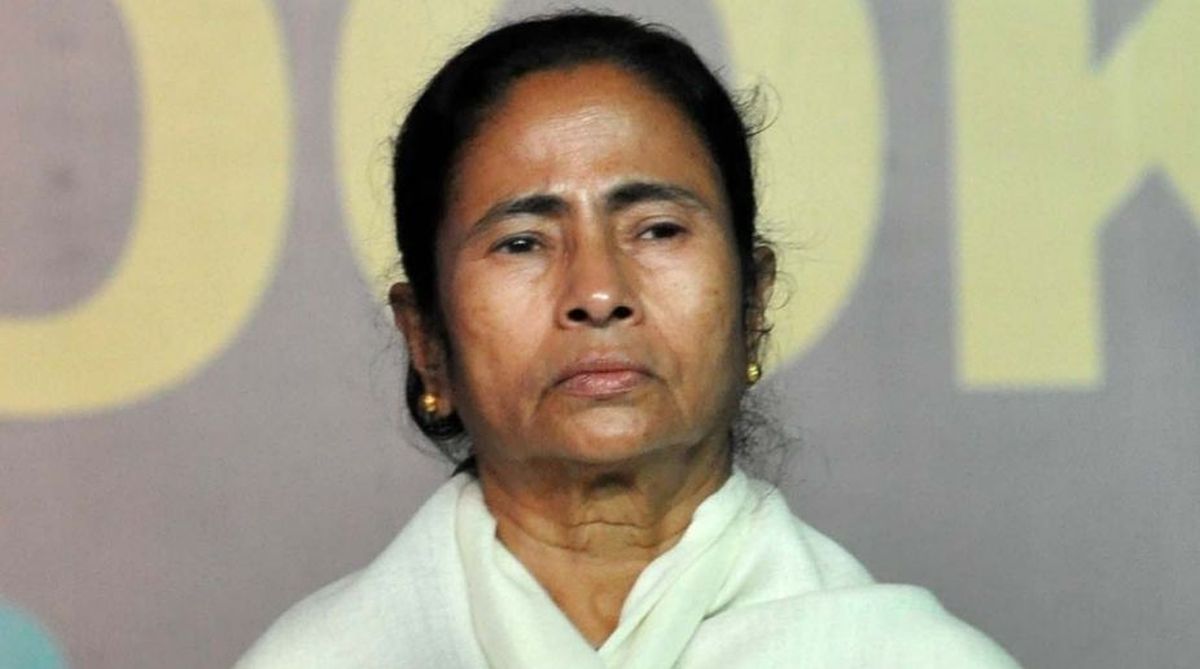
Political parties built around the cult of a single leader often appear invincible when they are in power. Their electoral machinery, organizational structure, and public image become so deeply intertwined with one individual that supporters begin to believe the party and the leader are one and the same. The cult of the leader becomes so strong that people flock around them assuming this is where the entire power resides.
Yet history repeatedly shows that such single-person centric parties are inherently fragile. The moment power slips away, cracks begin to appear. What is surprising in the case of the Trinamool Congress (TMC) is not that these cracks have emerged after its defeat in the West Bengal Assembly elections, but the extraordinary speed with which the party appears to be unraveling.
Notably, TMC was swept away in the recently held West Bengal assembly elections as Bharatiya Janata Party (BJP) romped to a win. Since then, TMC has seen defections, resignations, open rebellions, as the party continues to disintegrate once out of power.
For years, the TMC revolved almost entirely around Mamata Banerjee. Her personal popularity, political instincts, and image as a fighter against the Left Front and later the BJP formed the foundation of the party’s success. Unlike cadre-based parties (like the BJP) with strong institutional structures, the TMC functioned largely as a vehicle for Mamata Banerjee’s leadership. While this model delivered electoral victories, it also created a dangerous dependency. The party’s identity became inseparable from the fortunes of a single individual.
Once the party lost power, and Mamata Banerjee herself lost the assembly elections, that dependency quickly turned into a liability. Politicians who had spent years projecting loyalty to the leadership suddenly started exploring alternatives. Reports of MLAs, MPs, and local leaders distancing themselves from the party emerged almost immediately. Some have adopted a wait-and-watch approach, while others have openly started charting their own paths.
This behavior should not come as a surprise. Many leaders in personality-driven parties join not because of ideological commitment but because of access to power and influence. When power disappears, so does much of the incentive to remain loyal. The result is often a rapid exodus of leaders seeking political survival elsewhere.
The TMC’s current predicament bears similarities to several regional parties that struggled after the decline of their dominant leaders. The difference is the pace. What normally takes years appears to be happening within weeks with TMC. Political observers are witnessing a party that only recently looked unassailable in West Bengal now struggling to maintain internal cohesion.
Another challenge is the absence of a clear second line of leadership. Personality cults often suppress the emergence of alternative power centers because they are perceived as threats to the supreme leader. While this may strengthen the leadership in the short term, it leaves the organization vulnerable during periods of crisis. When electoral setbacks occur, there are few trusted figures capable of holding the party together.
The TMC now faces exactly this dilemma. The leadership is attempting to project confidence and unity, but growing signs of unease within the ranks suggest that many leaders are uncertain about the party’s future trajectory. As defections and distancing continue, the perception of decline can become self-reinforcing, encouraging even more leaders to jump ship.
Whether the Trinamool Congress can arrest this decline remains to be seen. However, its current troubles serve as a reminder that parties built around one personality often begin to weaken after defeat. In the TMC’s case, that process appears to be unfolding at rocket speed.

