
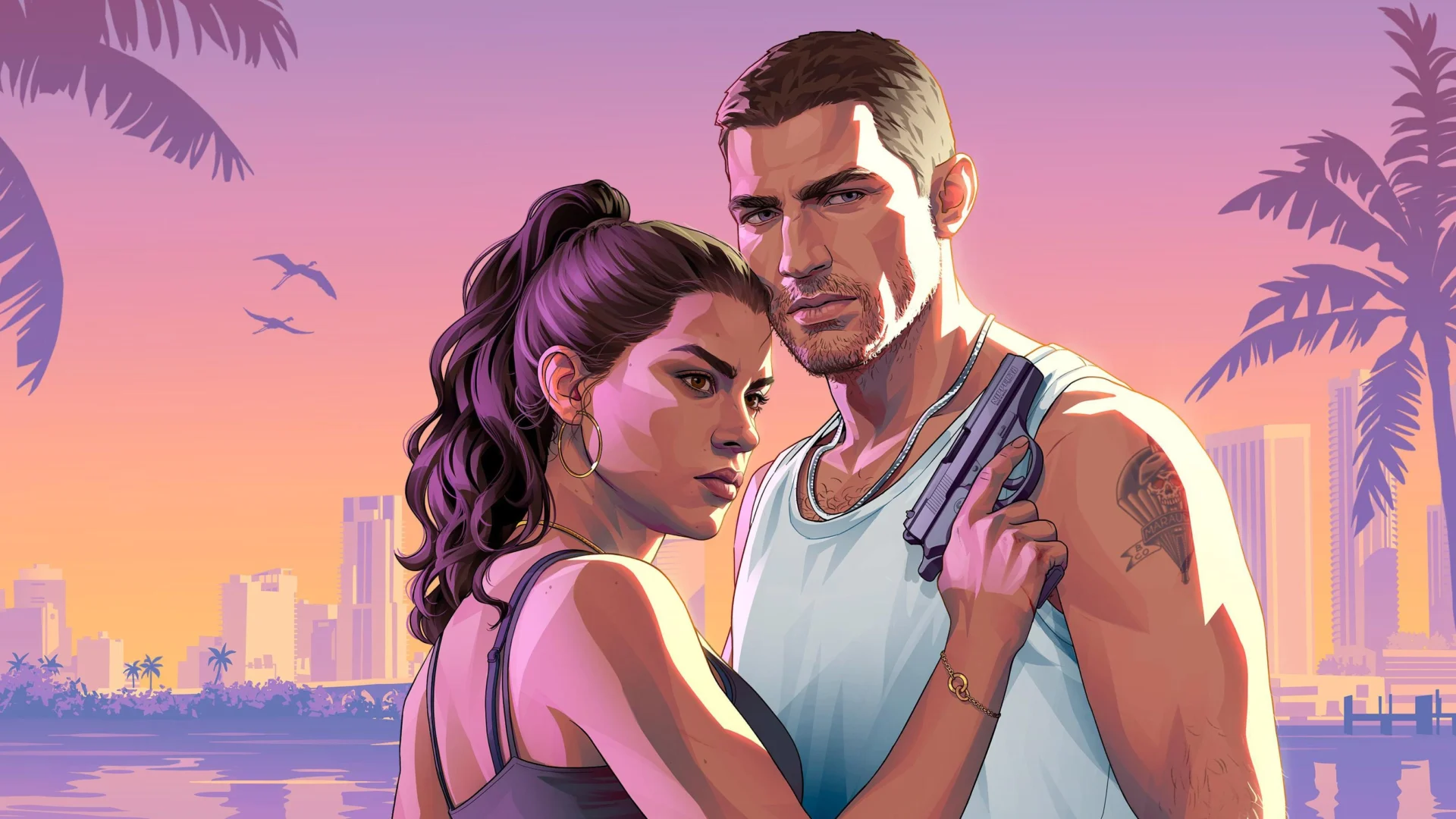
When Prime Minister Narendra Modi mentioned Grand Theft Auto VI (GTA VI) in his social media post on Thursday, November 19, he tapped into something that has become much bigger than a video game. GTA is no longer merely a gaming franchise. It is a global cultural phenomenon, an entertainment powerhouse and one of the most recognisable names in popular culture. After all, anyone who has been online, has read ‘we got xyz before GTA VI’ comments. Only the wait for George RR Martin’s Winds of Winter comes close to the anticipation that was there for GTA VI.
PM Modi’s post, captioned “India is playing a whole new game!”, used the gap between GTA V and GTA VI to highlight India’s transformation over the past 13 years. But the enormous excitement surrounding the latest instalment makes one ask, how did a video game become such a worldwide obsession?
The story begins in 1997, when British gaming studio DMA Design, which later became Rockstar North, introduced the original Grand Theft Auto. Its concept was remarkably different from conventional video games. Instead of following a strictly linear storyline, players were given the freedom to explore cities, steal vehicles, undertake missions and create chaos in an open virtual world. That freedom became the franchise’s defining characteristic.
With every subsequent instalment, Rockstar Games expanded the scale, ambition and realism of its virtual cities. GTA III revolutionised 3D open-world gaming in 2001, while Vice City and San Andreas became cultural landmarks in their own right. Their memorable characters, radio stations, music, storylines and sprawling environments made them experiences that players wanted to revisit.
Then came GTA V in 2013, which took the franchise to an entirely different level and simply changed the gaming world.
The numbers explain its extraordinary popularity. GTA V sold more than $1 billion worth of copies within just three days of its September 2013 launch. By March 2026, it had sold approximately 230 million copies, making it the best-selling action-adventure video game ever.
But sales numbers are just half the story. GTA offered something few other games could, an enormous playground where players could decide what they wanted to do. They could follow the storyline, explore the city, drive expensive cars, fly aircraft, listen to music, participate in elaborate heists or simply spend hours discovering unexpected details.
GTA Online extended that experience further, allowing millions of players to interact, compete and build their own virtual lives. Regular updates, multiplayer missions and an endless supply of user-generated entertainment kept GTA V relevant for more than a decade.
There is also the franchise’s connect with popular culture. Its music, humour, fictional advertisements, memorable characters and satirical portrayal of American society have become instantly recognisable. Even people who have never played GTA can identify its distinctive artwork and iconic logo.
GTA V just changed the game, and then of course came the endless wait for GTA VI and all the memes.
Thirteen years is an eternity in the technology industry. An entire generation of gamers grew up playing GTA V and waiting for its successor. Speculation, leaked footage, trailers, online memes and endless discussions transformed the game’s arrival into an international event. The anticipation became an attraction in itself.
The launch of GTA VI on November 19, 2026, therefore represents much more than another video game release. It is a major moment for an entertainment industry that has grown into a global economic and cultural force.
PM Modi’s decision to reference GTA is also an indication of how deeply gaming culture has penetrated mainstream society. When the Prime Minister of the world’s largest democracy borrows the language of a video game to communicate a political message, it tells you just how far gaming has travelled from its traditional audience.
From teenagers playing San Andreas to millions eagerly waiting for GTA VI, Grand Theft Auto has achieved something few video games could, it has made a virtual world part of the real world’s cultural conversation.

