
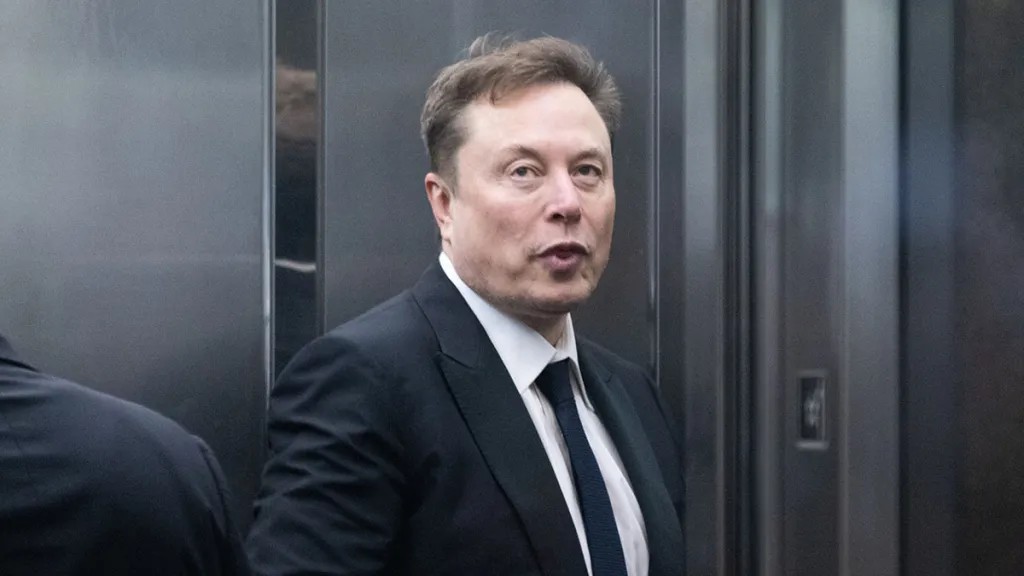
On Friday, June 12, Elon Musk became the first official trillionaire in the history of mankind after the SpaceX stock got listed. As expected, left liberals started moaning about all the wealth Elon Musk has created over the years and started wondering why he isn’t eliminating world hunger with his wealth. Notably, most of these people complaining are multi-millionaires in their own rights, don’t do anything for charity, but keep eyeing wealth of others richer than them. Jealous much?
Every few months, we see the same argument- If only the ultra rich like Elon Musk give away their fortunes, world hunger would disappear. The claim is emotionally appealing, easy to understand, and entirely detached from reality, and how economics, wealth, and public finances actually work.
The target during last few years is often Elon Musk, richest person in the world, whose net worth has crossed a Trillion Dollars after the SpaceX IPO. Critics routinely point out that his fortune exceeds the GDP of some countries and ask why he cannot simply write a cheque to end hunger forever.
The problem is that net worth is not a pile of cash sitting in a bank account or in Elon Musk’s house, which is a very modest house by the way.
Most of Musk’s wealth exists in the form of shares in companies such as Tesla and SpaceX. Selling enough stock to convert that wealth into cash would dramatically affect share prices, investor confidence, and the value of the companies themselves. More importantly, even if every dollar could somehow be converted into cash overnight, it would not permanently solve world hunger.
Hunger is not merely a funding problem. It is a problem of governance, logistics, corruption, conflict, infrastructure, agricultural productivity, and political instability. Food often exists in sufficient quantities globally, yet millions remain hungry because governments fail to distribute resources effectively or because wars and corruption disrupt supply chains. So much food across the world rots away while people in some parts starve to death. We DO NOT have a shortage of food, we have a problem of how to take that food which gets rotten away to the people who die of hunger.
The uncomfortable reality is that governments collectively spend tens of trillions of dollars every year. The United States federal budget alone exceeds several trillion dollars annually. Governments around the world collect enormous sums in taxes from citizens and businesses with the stated goal of providing public services and welfare. And yet, they don’t. Why look at private citizens like Musk when the ones you pay taxes to is not working towards it.
If hunger persists despite decades of government spending, the first question should not be why one entrepreneur has not liquidated his life’s work. The question should be why governments entrusted with vast resources continue to fail in delivering basic necessities to their populations.
This is not an argument against charity. Wealthy individuals have funded hospitals, schools, research institutions, disaster relief efforts, and anti-poverty programs across the globe. Philanthropy can play an important role in addressing human suffering, but the buck stops with the entity you pay taxes to.
There is a growing tendency to view private wealth as a limitless reserve that can be endlessly tapped to solve every social problem. This mindset ignores the fact that wealth creators often generate economic value through innovation, investment, and job creation. Companies built by entrepreneurs employ millions of people, produce goods and services, and contribute billions in tax revenues. At the end of the day, they are creating wealth!
A society obsessed with confiscating fortunes rather than questioning government inefficiency risks attacking the very engines of economic growth that create prosperity in the first place.
The next time someone claims that Elon Musk’s net worth could end world hunger, it is worth asking a simpler question, if governments already command resources far greater than any individual billionaire, why are they not being held to the same standard?
Perhaps the real issue is not the existence of rich individuals. Perhaps it is the persistent failure of governments to spend taxpayers’ money effectively.

