
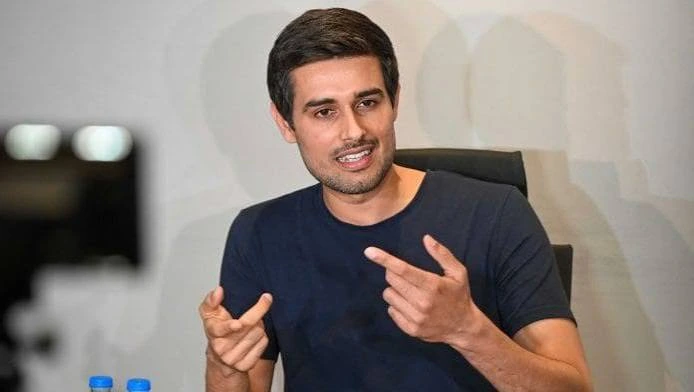
India’s Election Commission conducts elections on a scale unmatched anywhere in the world. Frustrated opposition, after repeatedly losing elections, is now reduced to levelling allegations of electoral irregularities. That is fine, Election Commission has been answering all the questions raised and explaining the process. However, Germany-based YouTuber Dhruv Rathee is seeking to internationalise the controversy with a protest in London. The optics are striking, an Indian constitutional institution being challenged outside India, before an international audience, over allegations that have been debunked repeatedly.
Rathee announced a demonstration at Parliament Square on October 18, calling on people to join his campaign against alleged “vote theft” and what he describes as a threat to Indian democracy.
Undermining Indian institutions for global eyeballs will apparently save Indian democracy, and now Europe-based YouTubers will save Indian democracy in London. Sure thing.
The question is not whether the Election Commission should be criticised. In a democracy, no institution is above scrutiny. Allegations of irregularities deserve investigation, and citizens have every right to demand transparency. But there is a difference between presenting verifiable evidence and branding an institution guilty before the allegations have been established.
India’s electoral machinery manages an extraordinary logistical exercise involving hundreds of millions of voters, polling stations spread across remote regions, election personnel and elaborate security arrangements. The 2024 Lok Sabha elections alone involved approximately 97 crore registered electors.
The Election Commission has established procedures for monitoring polling, counting votes and allowing candidates’ representatives to observe key stages. Its EVM system also incorporates Voter Verifiable Paper Audit Trail (VVPAT) slips, enabling voters to verify their selections and supporting prescribed checks during counting. These safeguards deserve serious consideration in any debate about electoral integrity.
The controversy also reflects a wider political pattern. When electoral outcomes disappoint political parties, allegations against institutions can become central to their campaigns. Repeatedly questioning the legitimacy of the Election Commission without establishing specific wrongdoing risks weakening public confidence in the very institution responsible for administering elections.
Rathee has every right to express his views and organise a peaceful demonstration in London. But holding a protest on foreign soil does not establish the truth of the allegations, just as criticism from abroad does not automatically invalidate an institution.
If the objective is electoral reform, the strongest approach is to present documented evidence, pursue legal remedies and demand specific, verifiable answers. International publicity may attract attention, but attention is not proof.
India’s Election Commission must remain accountable to the law and the public. Equally, those accusing it of wrongdoing must be prepared to substantiate their claims. Democracy is strengthened by scrutiny backed by evidence, not by slogans that turn allegations into verdicts before the facts are established.

