
The United Nations was created to uphold international peace, protect human rights and hold governments accountable. But what happens when the institution tasked with defending these principles is making sweeping allegations without adequately verifying the evidence? India has now raised precisely this concern, questioning the credibility of a UN special rapporteur’s report on protests and civil liberties in the country.
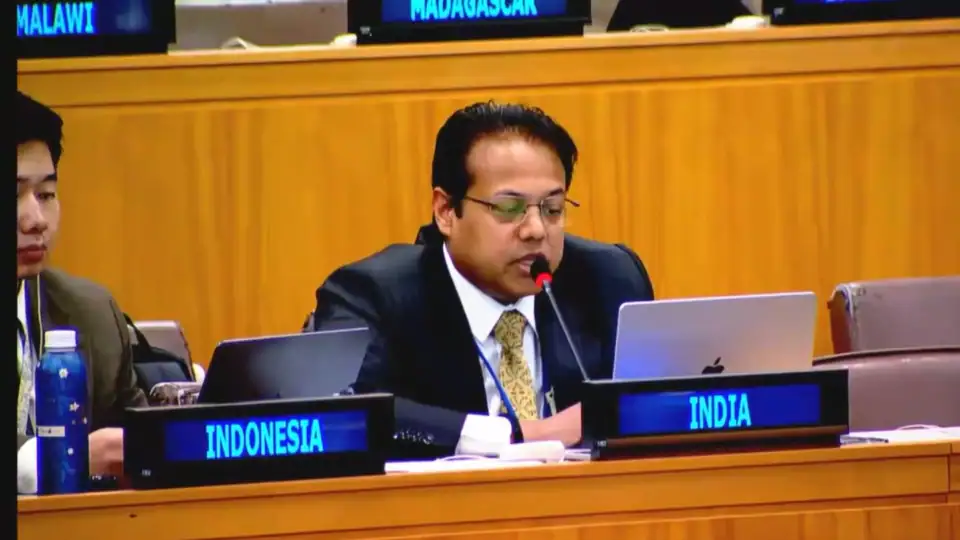
Speaking at the 81st session of the UN General Assembly’s Third Committee on October 17, Indian diplomat Anuj Swarup rejected allegations made by special rapporteur Gina Romero concerning the treatment of young protesters in India. He highlighted that her report relied on anonymous and unverified submissions to make broad claims about the country.
Swarup described such reporting as hearsay presented as an official UN assessment, arguing that this approach damages the credibility of the organisation and its institutions.
The controversy centres on claims of Indian authorities using excessive force and then arbitrary detention of the Indian youth. India disputes the report’s characterisation and has challenged the evidence used to support its conclusions.
India pointed to Article 19 of its Constitution, which guarantees freedoms including speech, expression, peaceful assembly and association, subject to constitutionally permitted restrictions. It also highlighted the role of the judiciary, the free press and national human rights institutions in safeguarding these rights.
International institutions are welcome to scrutinise governments, but their credibility depends on applying rigorous evidentiary standards, distinguishing verified facts from allegations and giving countries a fair opportunity to respond.
India’s sharp response raises an important issue for the UN that how can it maintain public confidence if its assessments are biased, selective or insufficiently substantiated?
The answer lies in transparency, consistency and verifiable evidence, not diplomatic rhetoric. If the UN expects governments to answer difficult questions about human rights, its own experts must be prepared to answer equally difficult questions about the quality of their findings.
International credibility cannot rest on a prestigious name alone. It must be earned through impartiality and demonstrable rigour.

