
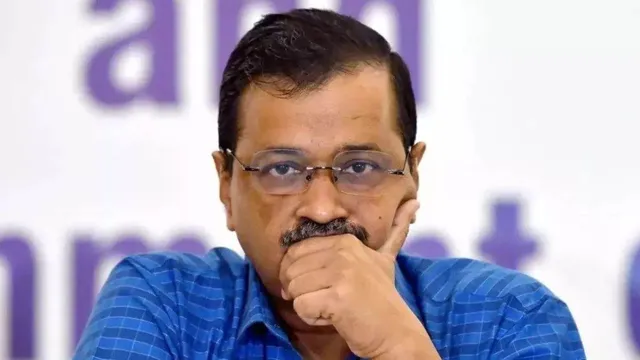
Aam Aadmi Party supremo Arvind Kejriwal’s troubles with the judiciary are always going on, and it seems they are far from over. The Delhi High Court on Tuesday, November 17, delivered a sharp reprimand to the Aam Aadmi Party supremo and several other party leaders for failing to file their replies in a criminal contempt case concerning alleged attempts to vilify Justice Swarana Kanta Sharma.
Running out of patience with Arvind Kejriwal and other AAP leaders, a division bench headed by Justice Navin Chawla gave Kejriwal, Manish Sisodia, Saurabh Bharadwaj and other AAP leaders a final three-week deadline to submit their responses. The court warned that if they failed to comply, their right to file replies would be closed.
The court minced no words while expressing its displeasure, observing, “We will not give you further time. You are taking us for a ride.”
The controversy dates back to the Delhi excise policy case, when Justice Sharma was hearing the CBI’s challenge against the discharge of Kejriwal, Sisodia and other accused. Kejriwal and his associates had sought her recusal, alleging bias and raising questions about a possible conflict of interest. After their recusal applications were rejected, they refused to participate in the proceedings and made public statements questioning the judge’s impartiality.
Justice Sharma subsequently initiated suo motu criminal contempt proceedings, taking note of social media posts, videos and communications that she believed amounted to a coordinated campaign to malign her and undermine public confidence in the judiciary.
The proceedings also involve other AAP leaders like Manish Sisodia, Sanjay Singh, Durgesh Pathak, Vinay Mishra, Saurabh Bharadwaj and Devesh Vishwakarma.
The thing is, there is an important distinction between criticising a judicial order and attempting to intimidate or personally discredit a judge. The former is a legitimate democratic right, the latter can attract contempt proceedings.
For a party that routinely lectures everyone about constitutional values, democratic principles and institutional independence, questioning a Judge’s impartiality is very strange. Political leaders cannot expect the judiciary to function according to their preferences, nor can they treat allegations of bias as a licence for an endless public campaign against judges.
Kejriwal now has three weeks to explain his position. The court has made one thing abundantly clear that patience has its limits, even in a courtroom.

