
For a political movement that wants to challenge the establishment, nothing could be more tragic than discovering that the revolution may be unstoppable on the streets but considerably less powerful in the Instagram settings menu.
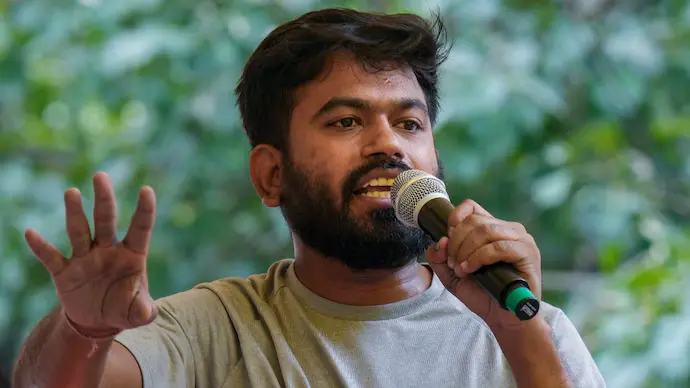
Abhijeet Dipke, founder of the Cockroach Janta Party (CJP), has once again raised the alarm over what he alleges is a government-backed crackdown on Instagram accounts and posts linked to his movement. On October 28, Dipke criticised the alleged restrictions, arguing that removing social-media content would not eliminate the public grievances behind it.
A noble argument, certainly. But the irony is hard to ignore, a movement built around digital activism is now discovering that its biggest political opponent might not always be a government spokesperson or an election official. Sometimes, it might be an inaccessible account.
Dipke has alleged censorship and questioned why the government would be afraid of criticism. His concerns deserve scrutiny, particularly if content is being restricted without adequate transparency. Freedom of expression is not a privilege granted by an Instagram algorithm, and legitimate political criticism should not be suppressed merely because it is inconvenient.
Meanwhile, the CJP’s digital predicament offers an irresistible lesson in modern politics. For years, activists have treated follower counts, viral videos and trending hashtags as measures of political influence. Now comes the uncomfortable reminder that online reach is not the same as institutional power, and that a movement’s communication strategy should probably include a plan for what happens when its favourite platform becomes unavailable.
Perhaps the next CJP protest should include a new demand: restore the revolution’s password, recover the account and ensure that the algorithm respects democratic values.
Jokes aside, the real issue is whether citizens can criticise those in power without arbitrary restrictions. That question deserves answers, not merely hashtags.
Because if the government is responsible, it should explain its actions. If Meta is responsible, it should clarify its decisions. And if Dipke wants the public to believe his allegations, transparency and evidence would be a good place to begin.
After all, a revolution can survive without Instagram. But it cannot survive indefinitely on outrage alone

