
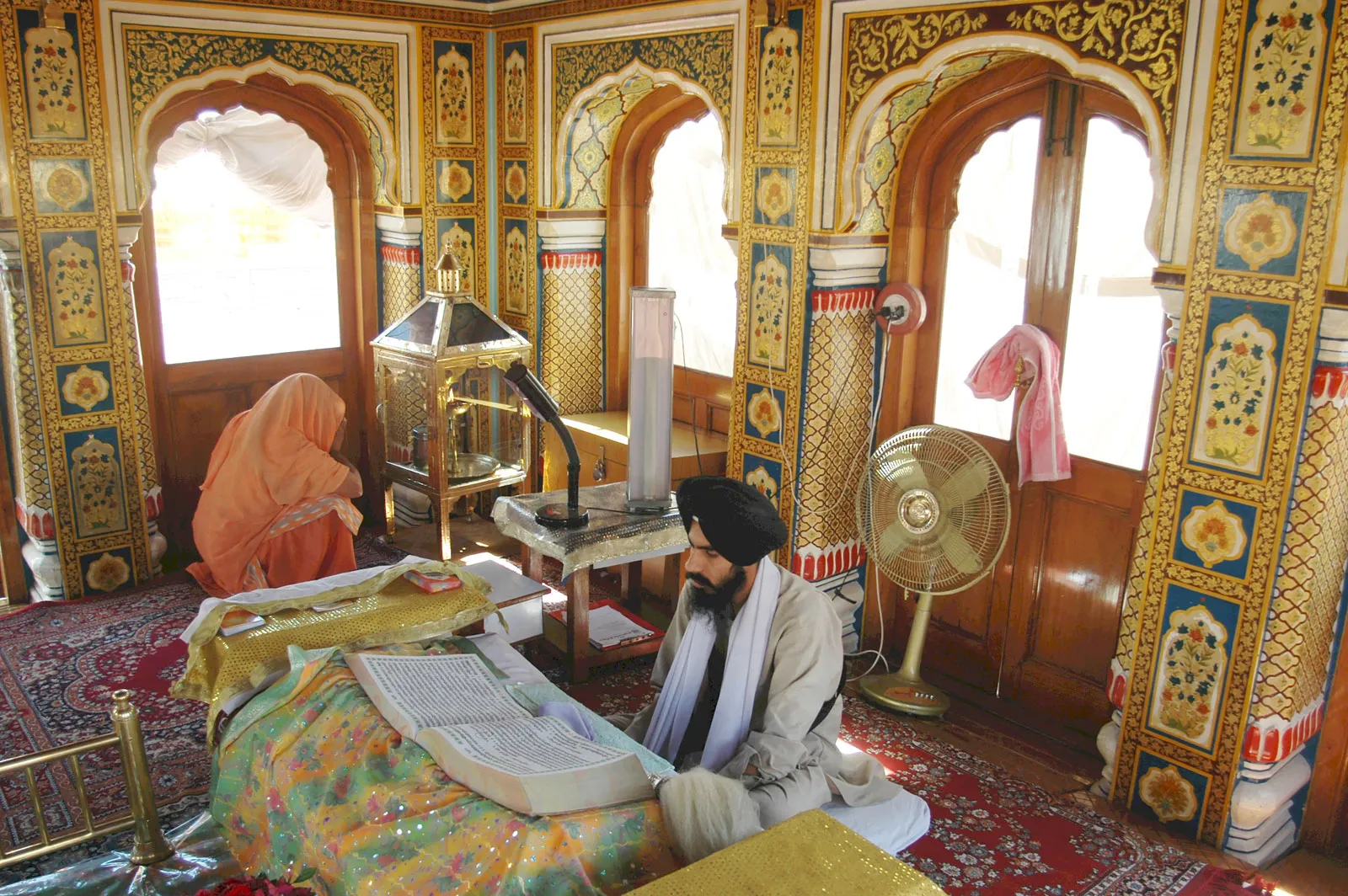
In the sacred spaces of Gurudwaras across Punjab, the Guru Granth Sahib occupies a position unlike any other scripture. Not merely a holy book, it is revered as the eternal living Guru- the embodiment of divine wisdom for Sikhs worldwide. Its pages, inscribed with the hymns of Sikh Gurus and saints, represent spiritual guidance, equality, and resilience. Yet, in recent years, incidents of sacrilege against the Guru Granth Sahib have shaken the community, stirring deep anguish and prompting soul-searching about how best to protect this sacred text while upholding societal harmony.
The latest flashpoint emerged in 2026 with amendments to Punjab’s sacrilege laws. The state assembly passed the Jagat Jyot Sri Guru Granth Sahib Satkar (Amendment) Act, aiming to strengthen penalties for desecration. Proponents highlighted the need for deterrence amid recurring incidents. However, the move drew scrutiny from Sikh religious institutions.
The Akal Takht, the highest temporal seat of Sikh authority in Amritsar, objected that the law was enacted without sufficient consultation with bodies like the Shiromani Gurudwara Parbandhak Committee (SGPC). It gave the government a month (later extended in discussions) to revise objectionable clauses. Reports indicate that sacrilege cases, though sporadic, continue to trigger protests, with at least several documented instances in recent years leading to community mobilizations.
To understand the intensity of these reactions, one must appreciate the profound place the Guru Granth Sahib holds in Sikh life. Compiled by Guru Arjan Dev Ji in 1604 and finalized by Guru Gobind Singh Ji, the scripture is treated with utmost reverence. In every Gurudwara, it rests on a palki under a canopy, attended by a granthi. Daily rituals of Prakash and Sukhasan mirror care given to a living presence. This reverence stems from Sikhism’s core philosophy of equality, service (seva), and the divine word guiding humanity.
Sacrilege incidents evoke collective pain, often amplified by social media. Historical memory- from colonial-era challenges to the turbulence of the 1980s- adds layers of sensitivity. Even isolated events today stir widespread anguish across Punjab’s villages and towns.
The 2026 legislative effort reflects a recurring community desire for stronger safeguards, while underscoring the need for inclusive processes. The Akal Takht’s intervention highlights a Sikh principle: matters affecting the Panth benefit from collective wisdom. Many scholars advocate combining legal measures with education, awareness campaigns in schools and colleges, and digital initiatives to promote Gurbani’s universal messages.
Punjab’s cultural richness lies in its syncretic traditions. Acts of sacrilege are condemned across communities, reflecting the state’s history of peaceful coexistence among Sikhs, Hindus, Muslims, and others. Interfaith harmony remains a strength that must be nurtured.
The Diaspora Dimension- The issue resonates strongly with the global Sikh diaspora, estimated at over 2–3 million, with significant populations in Canada (over 770,000), the UK, the US and Australia. Many diaspora Sikhs view developments in Punjab through the lens of identity preservation. Reactions have been mixed but passionate.
In Canada and the UK, community forums and Gurudwara gatherings have expressed solidarity with calls for protecting the Guru Granth Sahib, with some organizing petitions and awareness drives. However, certain voices worry that overly stringent laws could be misused or polarize society. Diaspora remittances and philanthropic contributions to Punjab Gurudwaras and educational projects remain substantial, often exceeding hundreds of millions annually, strengthening cultural and religious institutions back home. At the same time, international coverage of these controversies sometimes influences perceptions of Punjab’s stability, affecting younger diaspora generations’ connection to their roots. Many NRI Sikhs emphasize that solutions should prioritize education and community consensus over confrontation, reflecting their experiences in multicultural societies.
The diaspora’s engagement through social media, financial support, and advocacy amplifies Punjab’s issues globally but also brings diverse perspectives shaped by democratic environments where freedom of expression and religious accommodation are highly valued. This two-way influence enriches the discourse while occasionally creating expectations gaps between homeland realities and overseas viewpoints.
Ultimately, the path forward lies in thoughtful dialogue. Conversations between religious institutions, civil society, legal experts, and community representatives can yield solutions that honor faith while maintaining social cohesion. Technology and storytelling through music and art, mediums close to Sikh tradition, can promote deeper understanding.
Panthic unity is undoubtedly a source of strength and has historically helped the community navigate challenges. However, it should not be overvalued at the expense of broader societal harmony or legal frameworks. In India’s constitutional democracy, the Constitution remains supreme, providing the balanced foundation for protecting religious sentiments while ensuring justice and equality for all citizens. By upholding mutual respect and shared humanity alongside constitutional values, Punjab can reaffirm its identity as a land where faith inspires service and unity.

