
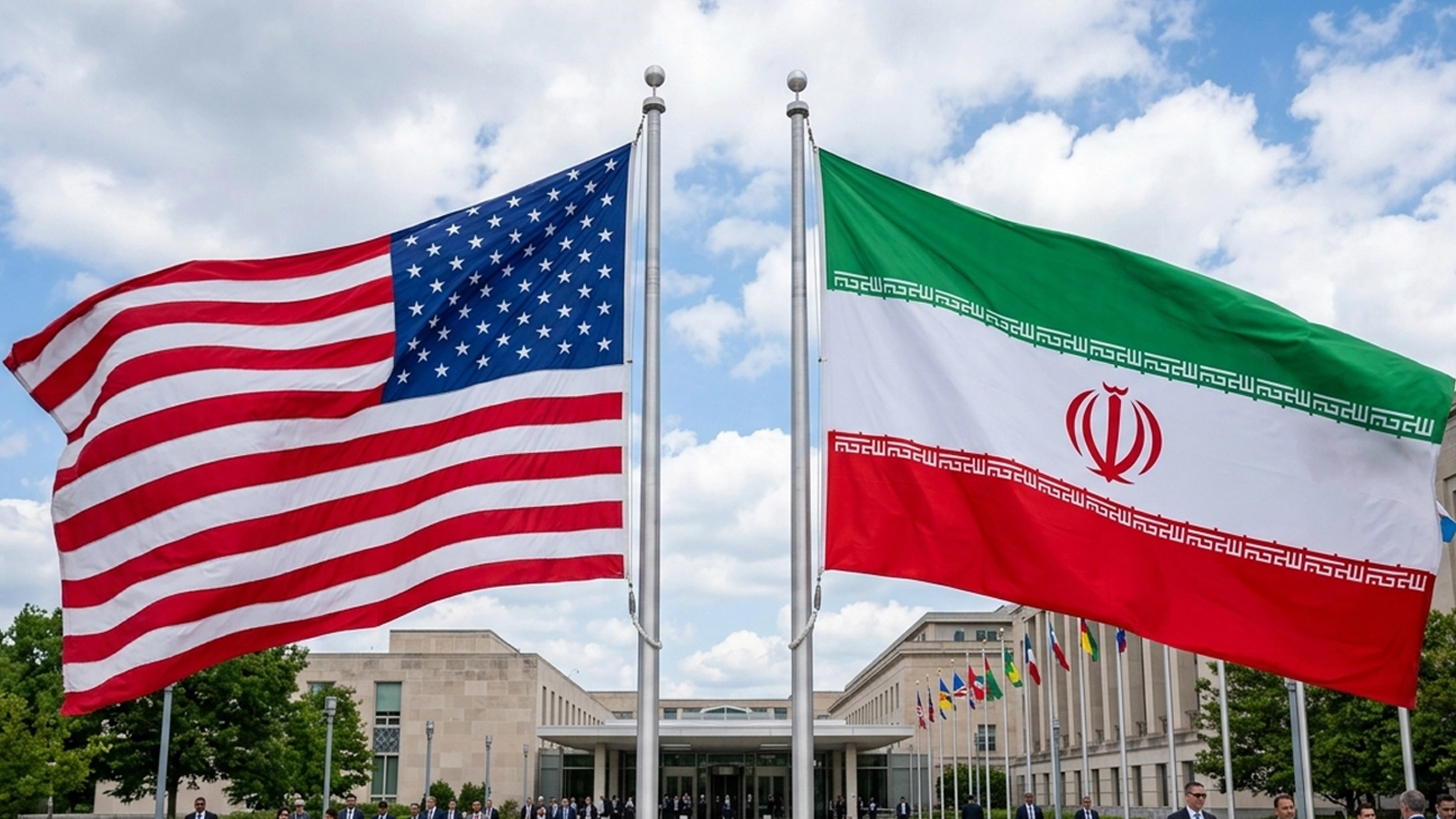
The collapse of the US-Iran peace deal has once again pushed the Middle East to the edge of a wider conflict. The peace deal, allegedly brokered by Pakistan, turned out to be like Pakistan itself, totally unstable. What was presented as a breakthrough agreement only weeks ago has rapidly unraveled, with both US and Iran accusing each other of violating the terms of the ceasefire. Exchange of missile strikes and uncertainty over the status of Strait of Hormuz have erased hopes of a lasting settlement. The West Asia region is now facing another period of dangerous uncertainty.
The immediate concern is the possibility of escalation of the conflict. The United States has resumed strikes on Iranian military infrastructure while tightening pressure through sanctions and maritime restrictions. Iran, meanwhile, has responded with missile and drone attacks against US military facilities in Gulf region, and has threatened to disrupt energy exports from the Gulf. Although neither side appears eager for a full-scale war, the growing cycle of retaliation significantly increases the risk of miscalculation.
The Strait of Hormuz will once again become the world’s most closely watched chokepoint. Nearly one-fifth of global oil trade passes through the narrow waterway, making any disruption an immediate concern for international energy markets. Even limited military activity in the area has already caused sharp volatility in crude oil prices. If shipping lanes remain threatened or partially blocked, energy-importing countries could face higher fuel costs, inflationary pressure and supply disruptions.
Diplomatically, the failure of the agreement exposes the deep trust deficit between Washington and Tehran. The ceasefire memorandum deliberately postponed the most contentious issues, particularly Iran’s nuclear programme and the sanctions relief. Once fighting resumed, these unresolved questions quickly resurfaced, making it difficult for either side to return to negotiations without appearing politically weak. Both governments now face domestic pressure to adopt tougher positions rather than compromise.
Regional powers will also be forced to reassess their strategies. Gulf Arab states that had cautiously welcomed de-escalation now face renewed security concerns. Israel is likely to continue advocating maximum pressure on Iran, while countries such as Oman and Qatar may once again attempt behind-the-scenes mediation. However, diplomatic efforts become significantly harder when active military operations are underway.
For India, the renewed confrontation carries both economic and strategic implications. India imports a substantial portion of its crude oil requirements, making it vulnerable to prolonged disruptions in Gulf energy supplies. Rising shipping insurance costs, higher freight rates and volatile crude prices could widen India’s import bill and contribute to inflation. At the same time, New Delhi will seek to maintain balanced relations with both Washington and Tehran while ensuring the safety of Indian nationals and commercial shipping in the region.
Despite the renewed violence, diplomacy cannot be ruled out. Neither the United States nor Iran appears to benefit from an open-ended regional war. Washington faces growing financial and political costs from prolonged military involvement, while Iran continues to struggle under economic sanctions and domestic challenges. This creates incentives for future negotiations, even if they occur through intermediaries rather than direct talks.
The coming weeks are therefore likely to determine whether the current confrontation remains a limited exchange of military pressure or develops into a broader regional conflict. For now, the collapse of the peace deal has not simply restarted hostilities—it has made the next diplomatic breakthrough far more difficult to achieve.

