
Apparently, in India’s stand-up comedy circuit, there is one community that comes with a permanent membership to the punching-bag club – Hindus. Their festivals, religious practices, symbols, traditions and even married women’s sindoor are apparently available for unlimited comic experimentation. Meanwhile, if someone objects, just call it dark humour, isn’t it convenient.
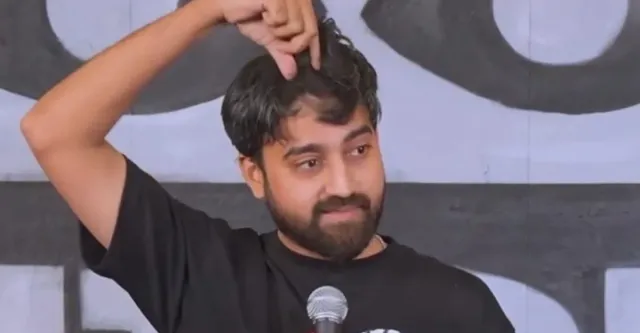
The latest example is comedian Yash Maheshwari, whose show titled ‘Morally Questionable’ has triggered widespread outrage over his remarks about Chhath Puja and Bihari women.
Maheshwari did a vulgar sexual comparison involving the long streak of sindoor traditionally applied by married women during Chhath Puja. He also made objectionable remarks about Bihari women and their cultural practices. A question arises, why are so many jokes made about Bihari people, both women and men. They are some of the most hardworking people in India, but lazy comedians like Yash Maheshwari still target them. Why?
For those unfamiliar, Chhath is not some random Instagram trend. It is one of the most deeply respected festivals in Bihar, Jharkhand and eastern Uttar Pradesh. Women observe rigorous fasts, offer prayers to the Sun God, and seek the well-being and longevity of their families. The sindoor tradition carries immense cultural and emotional significance. But apparently, for some comedians, none of this deserves even basic sensitivity.
Maheshwari has since issued a public apology, admitting that his remarks about Bihar’s cultural practices were inappropriate. Patna Police have also registered an FIR against him over the allegedly objectionable comments.
Now, let’s address the larger issue.
Why is it that certain comedians seem so comfortable making sexually explicit jokes about Hindu religious traditions? Why is mocking Chhath Puja, sindoor, Hindu deities and religious customs considered edgy comedy? Is the entire creative universe so bankrupt that the easiest route to laughter is insulting someone’s faith? And why is it always Hindu faith? Try making such jokes about other religions, just try.
Comedy should absolutely be allowed to question traditions, challenge social practices and make people uncomfortable. But there is a difference between intelligent satire and vulgarity disguised as humour.
Being provocative is easy when you know your audience will applaud and your targets are unlikely to be fashionable defenders of your comedy.
If your joke requires insulting women’s dignity and reducing a sacred festival to a vulgar sexual reference, perhaps the problem isn’t that audiences lack a sense of humour. Perhaps the joke simply isn’t funny.

