
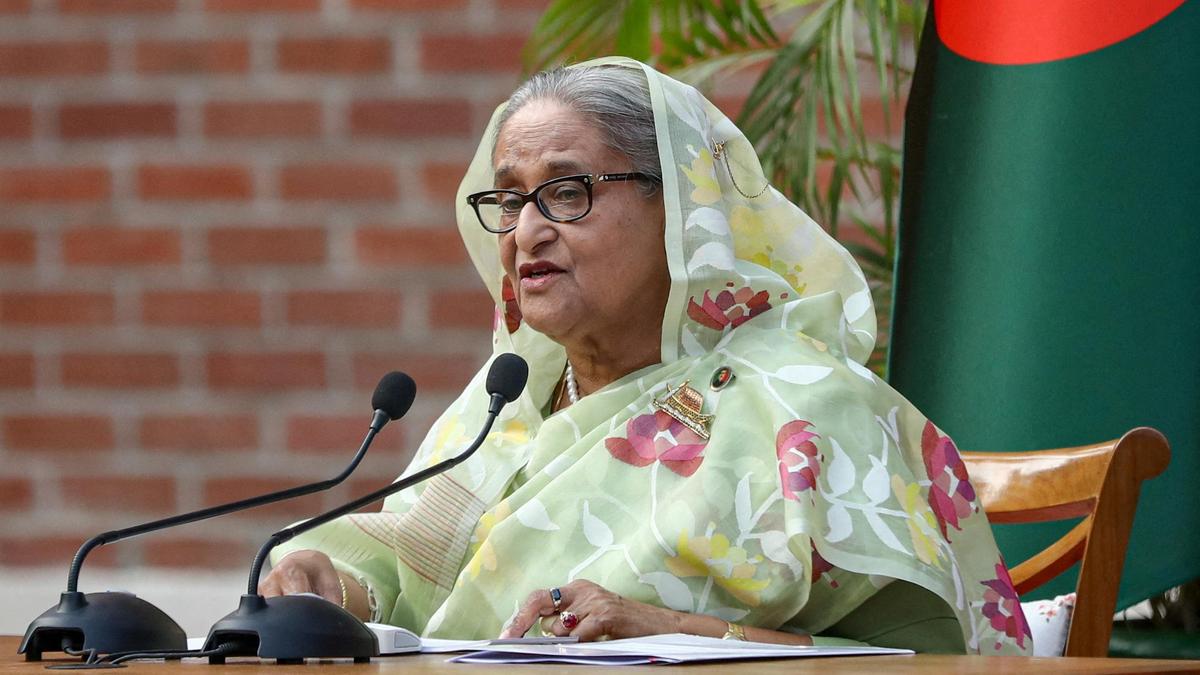
December 16 is no ordinary date in Bangladesh. It is the day the country celebrates its birth as an independent nation, commemorating the Pakistani military’s surrender to Indian forces in 1971. The decisive victory by Indian forces and Mukti Bahini ended the Bangladesh Liberation War and gave birth to a new country. Now, reports of Sheikh Hasina potentially returning to Bangladesh on December 16 have added another significance to a date already deeply embedded in Bangladesh’s national consciousness.
For Bangladesh, December 16 represents independence, sovereignty and the sacrifices of millions who fought for freedom. The surrender of Pakistani forces in Dhaka in 1971 marked the end of a brutal conflict and the emergence of Bangladesh as an independent country. It remains one of the defining moments in South Asian history.
The significance of Hasina choosing this particular date cannot be overlooked. She is not merely announcing a return home; she is choosing the anniversary of the very national struggle that shaped her family’s political legacy. Her father, Sheikh Mujibur Rahman, was the central leader of Bangladesh’s independence movement and became the country’s founding president.
Hasina fled to India on August 5, 2024, following a student-led uprising that ended her 15-year rule. Since then, Bangladesh has undergone a major political transition. The Awami League has been barred from political activities, and Hasina has faced serious legal proceedings in her absence. She was sentenced to death in November 2025 over her government’s crackdown on protesters, charges she has rejected.
Her proposed return, however, is far from straightforward. Her spokesperson Syed Mozammel Ali has asked the Bangladeshi government to arrange her journey from Delhi aboard Biman Bangladesh Airlines. Dhaka’s response has been markedly different. Government representatives have indicated that she would be arrested and jailed if she returned, while the government has insisted that her return must happen through extradition procedures.
This is what makes December 16 particularly consequential.
For India, too, the developments deserve close attention. Bangladesh is not just another neighbour. It shares a long border with India and occupies a strategically important position in the security and connectivity architecture of eastern South Asia. Political instability there has implications for border management, trade, regional security and bilateral relations.
Whether Hasina actually manages to return on December 16 remains uncertain. Her announcement is an intention, not confirmation of an agreed flight or an authorised homecoming.
But the symbolism is unmistakable. A former prime minister seeking to return on the anniversary of Bangladesh’s liberation, while facing opposition from the government currently in power, creates a moment loaded with historical and political significance.
December 16 was the day Bangladesh emerged from war as an independent nation. In 2026, it could become the backdrop to another defining chapter in its political history.

