
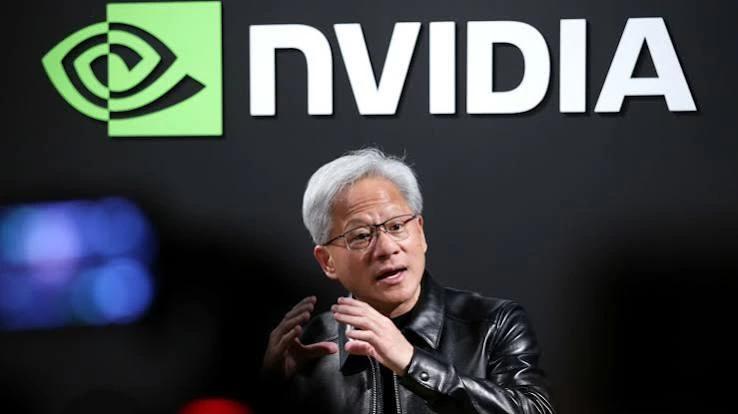
The global race for artificial intelligence is no longer just about who builds the fastest chips, develops the smartest algorithms, or invests the most billions. It is increasingly about intelligence gathering, corporate espionage, and national security. And the latest controversy surrounding Nvidia CEO Jensen Huang’s affair offers a remarkable glimpse into this emerging battlefield.
Huang, the chief executive of the world’s leading AI chipmaker, Nvidia, has admitted to having an extramarital affair with Alice Huang, a Chinese businesswoman who reportedly worked for Singapore-based data centre company Megaspeed. US intelligence agencies reportedly believe she was an asset of China’s Ministry of State Security and was gathering commercial information for Beijing.
The allegations are particularly serious because Megaspeed is a major Nvidia customer. According to reports, it purchased approximately $4.8 billion worth of Nvidia equipment over two years. American authorities had also scrutinised the company over suspicions that restricted AI chips were being diverted to China.
The concern is that Alice Huang may have used her personal relationship with Jensen Huang to gain access to information about Nvidia’s technology, business strategy and efforts to persuade Washington to ease restrictions on chip exports to China. These allegations have not yet been independently established in a public investigation.
Nvidia’s board has now initiated an independent investigation into whether its CEO was targeted by a foreign intelligence operation. The company says it has no reason to believe that national security or its trade secrets were compromised. Huang has pledged full cooperation.
This episode illustrates an uncomfortable reality about the AI revolution. In the past, espionage often revolved around military installations, diplomatic cables and defence secrets. Today, the most valuable intelligence may concern semiconductor designs, chip supply chains, AI computing infrastructure, and corporate negotiations.
China and the United States understand that whoever controls advanced AI technology could enjoy enormous economic, military and geopolitical advantages. Consequently, companies like Nvidia are no longer ordinary commercial enterprises. They occupy a position of strategic importance.
The controversy also exposes a serious vulnerability in the modern corporate world, that is the the human element. Firewalls, cybersecurity systems and export-control regulations cannot necessarily protect sensitive information if intelligence agencies successfully exploit personal relationships.
There is no evidence so far that Nvidia’s secrets were stolen. But the questions raised by this episode are too important to dismiss as merely a CEO’s personal scandal. In fact, Nvidia’s CEO’s personal relationships are the least important element in the entire case. Whether he was supplying a Chinese spy with the latest chip technology and lobbying to ensure supply of US-made chips to Chinese firms is of the biggest importance.
The AI race is not simply being fought in laboratories and data centres. It is also being fought in boardrooms, intelligence agencies and, potentially, through personal relationships. In the new technological cold war, even a corporate dinner can become a matter of national security.

