
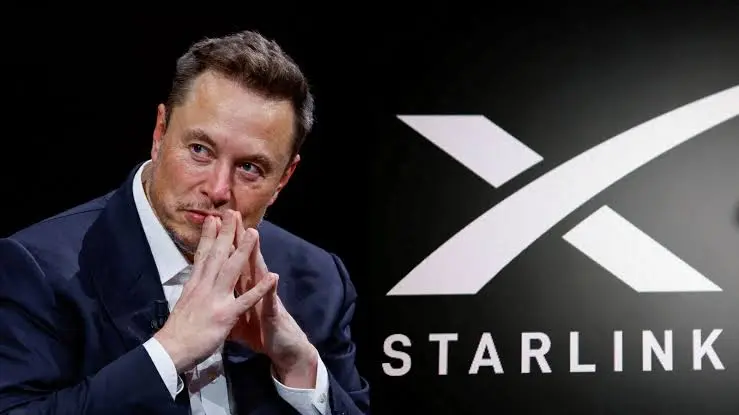
On Thursday, October 8, the richest man in the world, Elon Musk, triggered a discussion about Starlink’s access to the Indian market. Musk posted – Starlink is licensed in over 165 countries and has spent five years complying with every single law and requirement of the government of India, so why still no license?
He further asked if Ambani is the real boss of India. Obviously, Rahul Gandhi endorsed this post as he always looks for anything criticizing India.
Starlink is licensed in over 165 countries and has spent five years complying with every single law and requirement of the government of India, so why still no license? Is Ambani the real boss of India?— Elon Musk (@elonmusk) October 8, 2026
Elon Musk’s Starlink promises to transform internet connectivity by delivering high-speed internet through satellites, even in remote villages, mountainous regions and areas where traditional broadband networks are difficult to establish. Yet, for India, the question is not simply whether Starlink can provide faster internet. It is whether the country can protect its national security, sovereignty and strategic interests while allowing a foreign satellite internet operator to enter its market.
India’s concerns are not necessarily about rejecting Starlink, but about ensuring that its operations remain subject to Indian laws and security safeguards.
The first major concern is national security. Satellite internet does not depend on conventional ground-based telecom infrastructure to the same extent as traditional broadband. This can make it valuable for communication in border regions, remote military locations and conflict zones. If access, network management or service continuity depends heavily on a foreign company, India must consider what could happen during a military confrontation or diplomatic dispute. Could connectivity be restricted, interrupted or controlled by decisions made outside India?
The experience of Starlink in the Russia-Ukraine war has demonstrated how strategically important satellite internet can become during a conflict. Decisions about where and how the service operates can have consequences extending well beyond commercial telecommunications.
The second concern is data security and surveillance. Satellite internet providers handle network traffic and technical information about their users. India must ensure that lawful interception, cybersecurity investigations and national security requirements can be implemented under Indian law. There are also questions about where sensitive data is processed, who can access it and how quickly the company would respond to legitimate government requests.
Third, there is the issue of strategic dependence. India has invested heavily in its own space programme, including satellite communications through the Indian Space Research Organisation (ISRO) and domestic telecommunications infrastructure. Excessive dependence on a foreign-controlled network could create vulnerabilities if relations deteriorate or the provider changes its commercial or operational priorities.
Another challenge is regulatory control. Satellite internet crosses geographical boundaries, but spectrum allocation, landing rights, telecom licensing and interference management remain important national responsibilities. India must ensure that Starlink complies with its licensing conditions, security requirements and spectrum rules, rather than operating as an independent network beyond effective oversight.
There are also economic concerns. Starlink’s entry will raise questions about a level playing field for India’s own internet providers. Rahul Gandhi may have backed Elon Musk over this but when you are in government, you have to think of all these things before making any decisions.

