
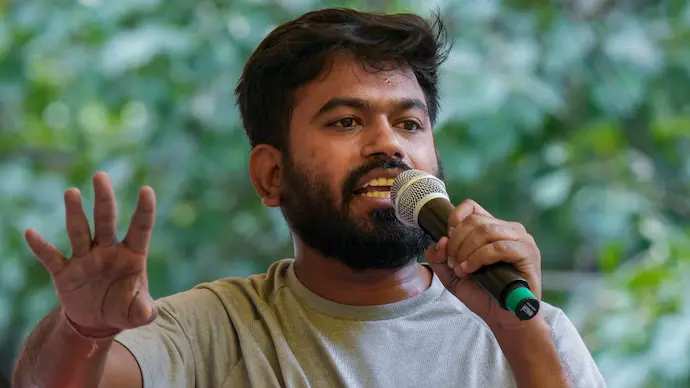
Across the world, governments and regulators are increasingly concerned about the impact of social media on children. India is now debating stronger safeguards for minors, including possible age-based restrictions on social-media access. Reacting to this possible plan by the Indian government, Cockroach Janata Party founder Abhijeet Dipke has argued that restricting minors’ access could amount to silencing the voice of an entire generation.
All these years the BJP controlled the narrative through mainstream media and WhatsApp.
But Instagram is a different battlefield. Gen Z has used it to question, mock and challenge political propaganda in ways that are far harder to control. And now Gen Alpha is coming of age… https://t.co/T80mdnXn05— Abhijeet Dipke (@abhijeet_dipke) September 29, 2026
This is not simply a question of giving young people a platform. It is also a question of whether children are being adequately protected from platforms whose own business models, algorithms, and design choices have come under serious regulatory and judicial scrutiny.
The case of Meta, which operates Facebook and Instagram, is particularly relevant. In Ireland, the Data Protection Commission imposed a €405 million fine on Meta in 2022 over violations concerning the processing of children’s personal data on Instagram. The regulator found multiple breaches of the GDPR and subsequently required remedial measures.
More recently, the issue has moved beyond privacy. In New Mexico, a jury in March 2026 found Meta liable for misleading consumers about the safety of its platforms and endangering children, imposing $375 million in civil penalties. In August 2026, a court added another $567 million in remedies aimed at addressing the youth mental-health crisis and ordered sweeping reforms to Facebook and Instagram. That brought Meta’s total financial liability in the New Mexico case to $942 million.
There is also continuing scrutiny in Europe. In April 2026, the European Commission preliminarily found Meta in breach of the Digital Services Act over inadequate measures to prevent children under 13 from accessing Instagram and Facebook.
These developments make one thing clear that concerns about minors and social media are not an invention of Indian policymakers. And any plan by India is not aimed at curbing the support for Abhijeet Dipke’s newly formed party, but at protecting children. Regulators and courts in multiple jurisdictions have found sufficiently serious problems to impose substantial penalties and demand changes from the world’s largest technology companies.
The real question is whether children should be given unrestricted access to platforms when governments and courts are simultaneously confronting evidence of privacy violations, harmful design practices and risks to young users.
Calling every proposed safeguard an attempt to “silence a generation” therefore risks creating a false choice between children’s voices and children’s safety.
Young people can have a voice without necessarily having unrestricted access to every social-media feature. India can debate age verification, parental controls, safer defaults and age-appropriate access while preserving avenues for education and expression.

