
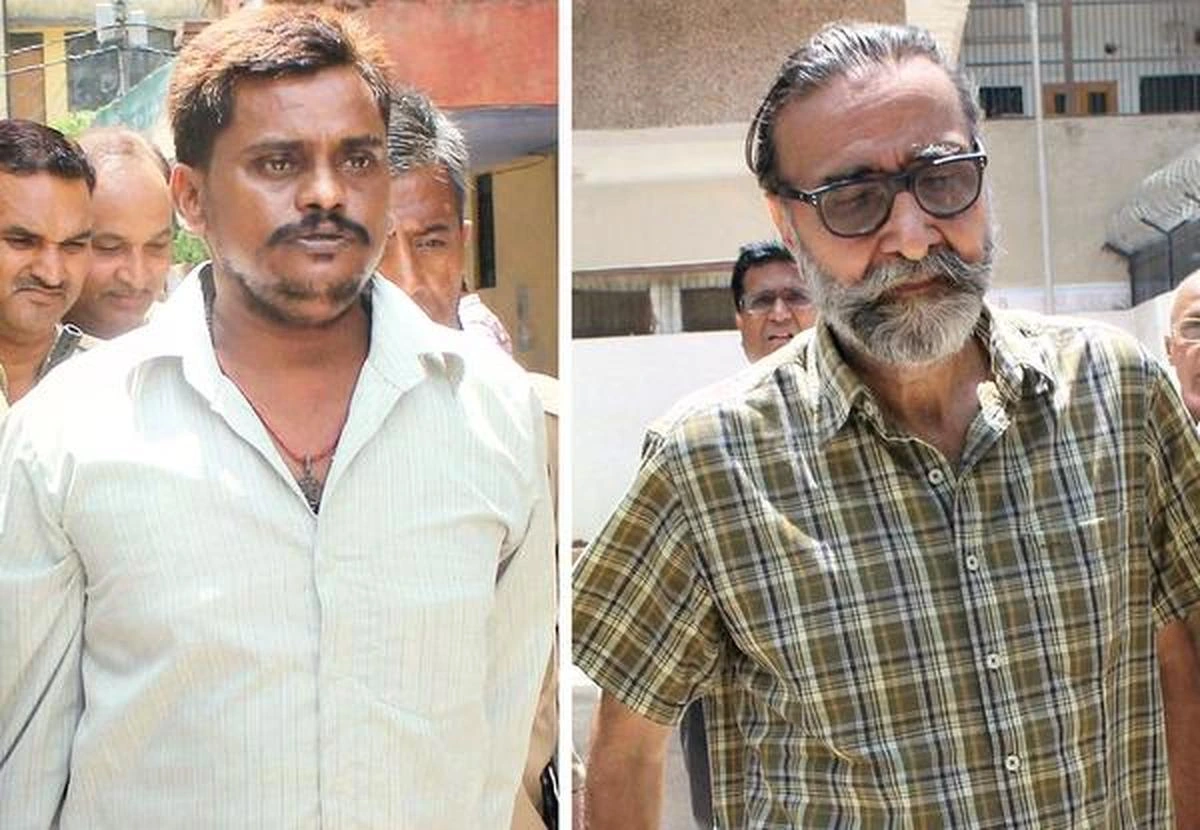
Surendra Koli, the domestic worker who became the central accused in the infamous Nithari killings case, was found dead in Haridwar on Friday, September 18, 2026, nearly a year after the Supreme Court cleared him in the final criminal case against him. Police said his body was found hanging at a tea stall he had been running in the Bhupatwala area. A preliminary inquiry indicates suicide, though the circumstances surrounding his death remain under investigation and no suicide note has been reported.
Koli’s name had become inseparable from one of the most disturbing and one of the biggest criminal investigations in India’s recent history, the Nithari killings in Noida, Uttar Pradesh. The killings that shook the soul of the country.
How the Nithari horror came to light
The case erupted in December 2006 after human skeletal remains were discovered in a drain near D-5, the house of businessman Moninder Singh Pandher, in Nithari village. The discovery followed complaints and investigations into the disappearance of several children and young women from the area.
The scale and nature of the discoveries horrified the country. Investigators recovered remains and other evidence suggesting that multiple people had been killed in and around the property. Koli, who worked as a domestic servant at Pandher’s house, and Pandher were arrested. The investigation was subsequently transferred to the Central Bureau of Investigation (CBI).
The prosecution’s case alleged that Koli had abducted, sexually assaulted and murdered victims, with the bodies subsequently being disposed of near the house. He was eventually tried in multiple cases. In the initial proceedings, Koli was convicted and sentenced to death in numerous cases, making him one of the most notorious death-row prisoners in the country.
A case that changed dramatically in the courts
In October 2023, the Allahabad High Court acquitted Koli in 12 cases, finding serious problems with the prosecution’s evidence and investigation. The court’s findings challenged the foundation on which the convictions had rested.
In July 2025, the Supreme Court upheld those acquittals and dismissed appeals filed by the CBI and families of victims. At that stage, however, Koli remained in prison because one conviction, concerning the rape and murder of a teenage girl, was still standing.
Then, in November 2025, the Supreme Court considered Koli’s curative petition in that final case. The court set aside his conviction and acquitted him, ordering his release. The judgment noted that allowing a conviction to stand on an evidentiary foundation subsequently rejected in related cases would raise serious concerns under constitutional protections.
After spending nearly two decades behind bars, Koli walked free.
Following his release, Koli moved to Haridwar, where he reportedly worked as a security guard before starting a small tea business. On September 18, 2026, he was found dead at the tea stall. Police have begun investigating the circumstances and have sent his body for post-mortem examination.
Koli’s death brings a startling end to a case that began with the discovery of human remains in a Noida drain and continued through nearly two decades of arrests, death sentences, appeals, acquittals and questions over the investigation.
Unfortunately, we still don’t know anything real about the Nithari killings.

