
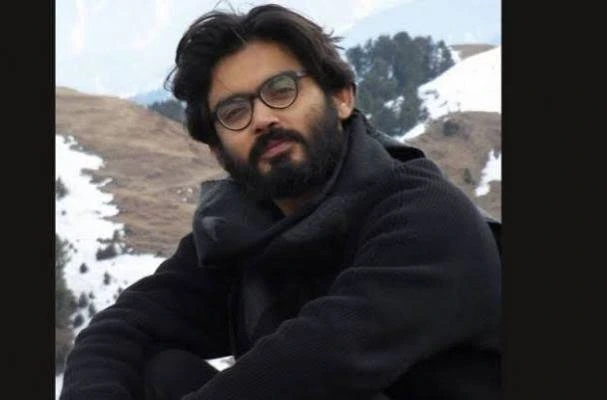
There is something deeply disturbing about the United States Commission on International Religious Freedom (USCIRF) describing Sharjeel Imam as a man detained in India for his “religious freedom advocacy”. Either the commission has a remarkable talent for selective blindness, or it has deliberately decided to whitewash the activities of a man whose arrest had very little to do with simply opposing a government policy.
In a post on X, USCIRF presented Imam as a victim of religious persecution, conveniently reducing a serious criminal case involving allegations of incitement, conspiracy and attempts to disrupt national security to a story about peaceful anti-CAA protests. This is not human rights advocacy. It is the selective presentation of facts masquerading as international concern.
Sharjeel Imam is a Muslim man detained in India for his religious freedom advocacy. Read his profile: https://t.co/Cj44GwlIj0 https://t.co/vyRTmG70Wf— USCIRF (@USCIRF) November 13, 2026
So, let us remind USCIRF why Sharjeel Imam was actually arrested.
Imam was arrested on January 28, 2020, following a series of inflammatory speeches delivered during the anti-CAA protests. Among the most disturbing allegations against him was his call to organise a blockade of the strategically crucial Siliguri Corridor, popularly known as the Chicken’s Neck, which connects mainland India with its northeastern states.
In his January 16, 2020 speech at Aligarh Muslim University, Imam spoke about mobilising people to cut off the Northeast from the rest of India, even if temporarily. This was not merely criticism of a citizenship law. It was a call for an action that could threaten India’s territorial connectivity and national security. And India tolerates many things, but doesn’t ever tolerate a threat to its sovereignty.
The allegations did not end there. Delhi Police subsequently accused Imam of playing a central role in the larger conspiracy behind the February 2020 Delhi riots, which claimed 53 lives and left hundreds injured. The prosecution presented WhatsApp communications, witness statements, alleged conspiracy meetings and speeches as evidence of his involvement. He faces charges under the Unlawful Activities (Prevention) Act and other criminal provisions. These remain allegations to be established at trial, not convictions.
Most importantly, the Supreme Court, while rejecting his bail application on January 5, 2026, found that the prosecution material prima facie placed Imam among the central figures in the alleged conspiracy, distinguishing his alleged role from that of other accused who were granted bail.
Yet USCIRF wants the world to believe that this is simply a case of a Muslim activist being persecuted for advocating religious freedom.
What exactly is USCIRF trying to achieve? Does it believe that invoking religious identity should automatically place someone beyond scrutiny? Does advocating against a law give anyone the licence to allegedly incite violence, engineer blockades threatening national security or participate in a criminal conspiracy?
India’s Constitution guarantees freedom of speech, expression and peaceful protest. But these freedoms do not come with an unlimited licence to threaten the country’s territorial integrity or incite violence. The distinction between peaceful dissent and alleged criminal conduct is not particularly difficult to understand, unless one is determined not to understand it.
And there is another uncomfortable question for USCIRF: why does it insist on reducing complex criminal proceedings in India to religious persecution narratives? Its own profile of Imam lists allegations ranging from conspiracy and hate speech to terrorism, murder and attempted murder, yet its social media messaging foregrounds only his religious identity and anti-CAA activism.
India does not need lectures from an organisation that appears more interested in constructing a convenient narrative than presenting the complete facts. Human rights organisations are entitled to question prolonged incarceration, demand speedy trials and scrutinise the conduct of governments. Indeed, the right to a fair and timely trial must be protected regardless of the accused’s identity.
But human rights advocacy cannot mean sanitising allegations, ignoring evidence or selectively invoking religious identity to manufacture a political prisoner.
Sharjeel Imam was not arrested simply because he opposed the CAA. He was arrested over specific speeches and subsequently charged in connection with an alleged conspiracy behind deadly riots. USCIRF should have the intellectual honesty to tell that story in its entirety.
If defending religious freedom requires turning a blind eye to allegations of incitement and threats to national security, perhaps USCIRF needs to reconsider what exactly it is defending.

