
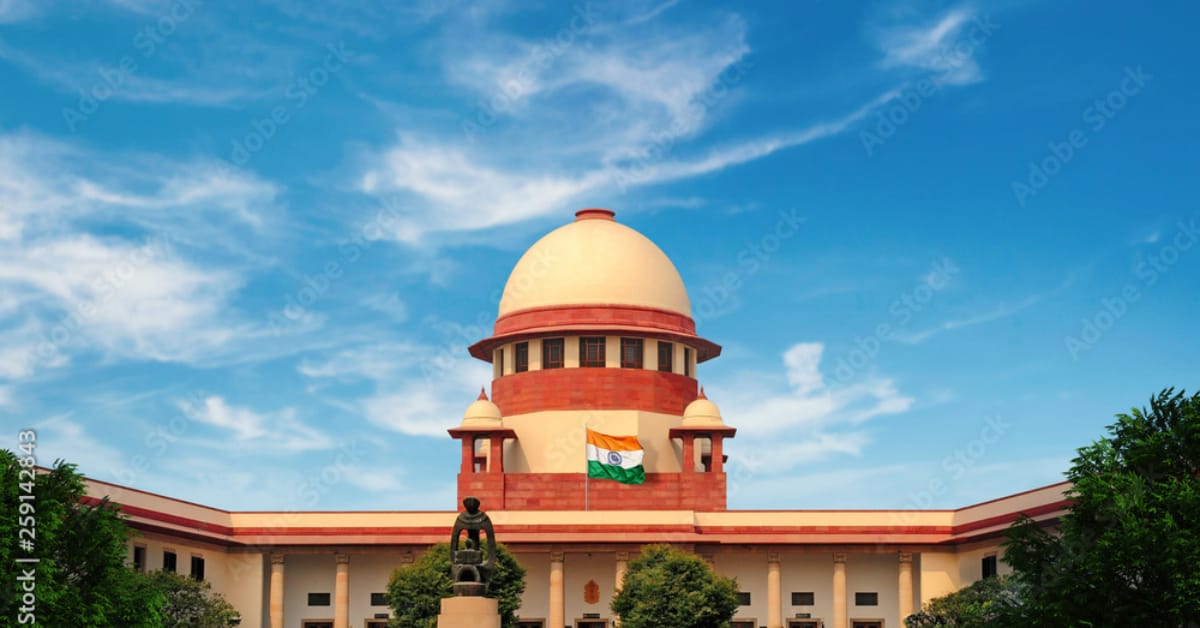
The Supreme Court of India has dismissed a petition seeking to replace execution by hanging with alternative methods such as lethal injection, reviving the debate over whether capital punishment can be administered in a manner that causes less pain and suffering.
The petition had sought directions to consider alternatives to hanging, arguing that modern medical and technological methods could potentially provide a more humane means of carrying out a death sentence. Among the methods suggested was lethal injection, which is used in some countries that retain the death penalty.
The Supreme Court, however, declined to entertain the plea, leaving the existing legal framework governing executions in India unchanged. Under Indian law, hanging remains the prescribed method of execution for civilian death sentences, subject to the safeguards and procedures laid down by the courts.
The issue has long generated debate among legal experts, human-rights advocates and policymakers. Supporters of replacing hanging argue that the State should avoid methods that could result in prolonged suffering and should adopt a procedure that is swift and medically controlled. They contend that if capital punishment continues to exist, the method of execution should meet the highest standards of dignity and minimise unnecessary pain.
Opponents of alternative methods, however, point out that lethal injection is itself controversial. Medical professionals in several countries have raised ethical concerns about doctors participating in executions, while cases of prolonged or unsuccessful lethal-injection procedures have also fuelled criticism.
The Supreme Court’s decision therefore keeps India’s execution system unchanged for now. The ruling also highlights the larger constitutional question surrounding capital punishment: whether the State can impose the ultimate penalty while simultaneously being required to respect an individual’s dignity.
While the petition has been dismissed, the debate over the manner of execution is unlikely to disappear. India’s approach to the death penalty remains closely linked to questions of human dignity, constitutional safeguards and the evolving understanding of what constitutes cruel or disproportionate punishment.

