
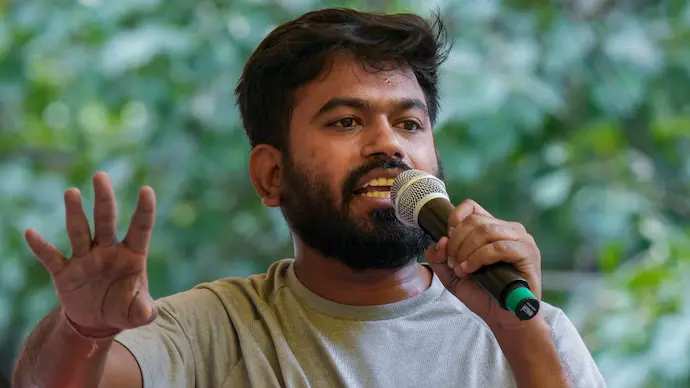
The Cockroach Janata Party (CJP) has launched its “School Thik Karo” campaign to inspect government schools. However, as the party expands the campaign in states like Uttar Pradesh and Rajasthan, an important question needs to be asked: What authority does this newly forned political organisation have to enter government schools and conduct its own “audits”?
The idea is fine; nobody can argue that government schools across India need to improve massively as kids studying there prepare to face the modern world, but how can any random political organisation enter these schools to conduct their own ‘audits’?
The issue is not whether government schools should be held accountable. They absolutely should. Public schools are funded by taxpayers, and parents have every right to demand safe buildings, functional toilets, drinking water, electricity, classrooms and quality education. But accountability cannot mean that every political group gets an automatic right to walk into a school campus, interact with children, record videos or examine school facilities whenever it wants.
The Rajasthan Education Department has already issued directions restricting unauthorised entry into government schools. Under the directions, outsiders require prior permission from the principal or head of the institution. Photography, videography, live-streaming and collection of personal information concerning students and teachers are also regulated. The government cited student safety and privacy as reasons for the restrictions.
That makes the CJP’s campaign particularly contentious. The party may call its exercise a “social audit,” but that does not automatically give it statutory inspection powers. A political party is not the education department, an authorised school-inspection body or a government-appointed auditor. If it wants to enter a school, the legitimate route should be to seek permission from the competent authorities.
There is also a fundamental distinction between raising questions about public institutions and exercising official authority over them. CJP activists can document problems from publicly accessible locations, speak to parents and students with appropriate safeguards, submit complaints, seek information through legal mechanisms and demand action from elected representatives. But physically entering school premises without permission is a different matter.
This is especially important because these are not ordinary public buildings. Children are present inside these campuses. Their privacy, safety and dignity cannot become secondary to political activism. Photographs or videos of minors, interviews with students and collection of personal information require particular caution.
The controversy intensified on August 21 when CJP co-convenor Ashutosh Ranka and party workers were confronted by villagers during an attempted visit to a government primary school in Rampura-Kanwarpura near Jaipur. The CJP alleged that its members were attacked, while reports also carried villagers’ objections to the visit.
The larger question, therefore, is not whether government schools should be scrutinised. They should. The question is who gets to conduct that scrutiny and under what rules.
If CJP genuinely wants to improve schools, it should work through parents, elected representatives and the education authorities, document deficiencies lawfully and demand time-bound action. No political party should be allowed to turn a government school, and the children inside it, into a stage for political campaigning without proper authorisation.

