
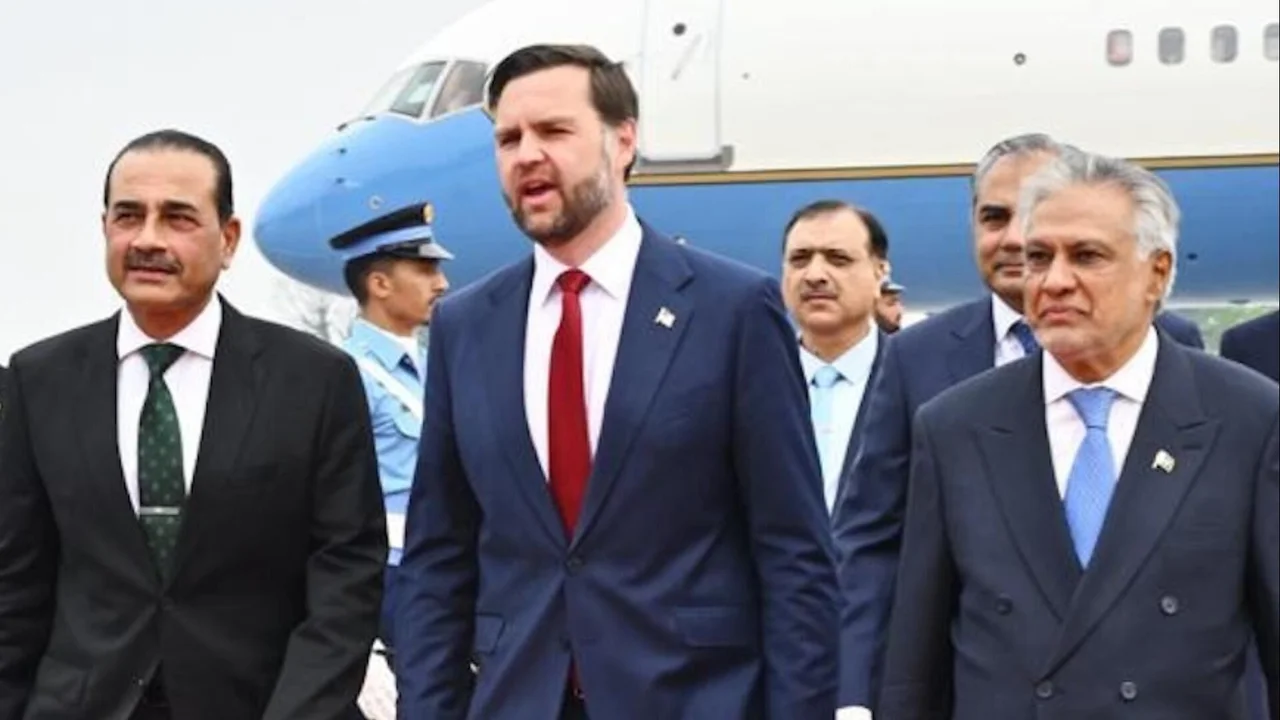
The war between United States and Iran started on February 28 this year after US and Israel launched military strikes on Iran. US and Iran later agreed to open a diplomatic channel, Pakistan was quick to present itself as the unlikely peacemaker.
Islamabad projected its role as a bridge between the two bitter adversaries, who have been at loggerheads since Iranian revolution of 1979, with Prime Minister Shehbaz Sharif and Field Marshal Asim Munir highlighting Pakistan’s importance in bringing both sides to the negotiating table. The temporary ceasefire and the subsequent Islamabad Memorandum were widely portrayed by Pakistani officials as a major diplomatic achievement.
But diplomacy is judged not only by how negotiations begin, but also by how they end.
With the ceasefire now effectively in tatters and fighting once again escalating across the Gulf, an uncomfortable question arises- If Pakistan was eager to claim credit for launching the peace process, should it now shoulder responsibility for its collapse?
The short answer is no, Pakistan has never taken responsibility for anything, but the episode does expose the limits of Pakistan’s diplomatic ambitions.
Pakistan was never even the principal decision-maker in the negotiations. It acted as a facilitator rather than a guarantor of peace. The real issues dividing US and Iran were always far bigger than any mediator could resolve. Disagreements over Iran’s nuclear program, sanctions relief, the future of the Strait of Hormuz, and regional proxy conflicts remained unresolved even as the ceasefire was announced. Those unresolved disputes eventually resurfaced and pushed both sides back toward confrontation.
The agreement itself was fragile from the outset. It was always more of a pause in hostilities than a comprehensive peace settlement. Several of the peace deal’s provisions were deliberately vague, allowing both US and Iran to interpret key clauses differently. Once mutual trust began to erode, accusations of violations followed quickly, ultimately bringing the diplomatic process to a standstill.
That does not mean Pakistan escapes scrutiny entirely.
Islamabad enthusiastically publicised its role as a successful mediator, presenting the talks as evidence of its growing international relevance. Such diplomatic victories naturally come with expectations. When negotiations collapse, observers inevitably ask whether the mediator could have done more to maintain communication or prevent misunderstandings.
Ironically, Pakistan now finds itself in an even more delicate position. As regional tensions intensify, Islamabad faces pressure from multiple directions. Its defence relationships with Gulf partners, security cooperation with Saudi Arabia, and geographic proximity to Iran make strict neutrality increasingly difficult.
Pakistan’s real challenge now is not defending its past mediation efforts but determining whether it still has the credibility and neutrality to facilitate another round of talks.

