
The fragile ceasefire achieved in early April in West Asia raised hopes of peace returning to the region, however, that lasting peace seems like a distant dream at the moment. While the peace talks continue between US and Iran, the bombardment in the region continues unabated.
A fresh round of hostilities erupted after Israel carried out airstrikes on Lebanon’s Beirut’s southern suburbs, prompting Iran to launch multiple waves of missiles towards Israel in retaliation. Notably, Iran haas continously insisted that any ceasefire in the region will have to include Lebanon as well. Iran had also said that they will launch strikes on Israel if they continue to bomb Hezbollah in Lebanon.
The latest escalation has raised fears that the region could be heading towards another prolonged and destructive confrontation.
According to reports, Israeli forces struck targets in Beirut that they claimed were linked to Hezbollah. The attack reportedly killed at least two people and injured several others. Israeli officials described the operation as a response to rocket attacks launched from Lebanon into northern Israel in recent days. However, the strike crossed a red line repeatedly highlighted by Tehran, which had warned that attacks on Beirut would invite a direct response.
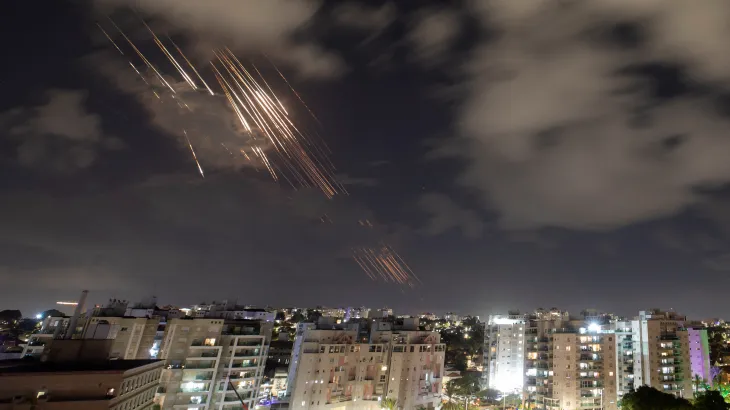
Iran acted on that warning within hours. The Iranian Revolutionary Guard Corps launched several ballistic missiles towards northern Israel, marking the first direct Iranian missile attack on Israel since the ceasefire that took effect at the start of April. Air raid sirens sounded across parts of Israel as missile defence systems were activated. Israeli authorities stated that most or all incoming missiles were intercepted, preventing major casualties and damage.
The exchange did not end there. On Monday, June 8, Israel announced retaliatory strikes against military targets in western and central Iran, further intensifying tensions between the two regional rivals. Explosions were reported in several Iranian cities, signalling that the confrontation had moved beyond proxy warfare and once again become a direct military exchange between the two countries.
International leaders have expressed alarm over the rapid deterioration of the situation. The United States and several regional mediators have urged both sides to exercise restraint, warning that further escalation could destroy ongoing diplomatic efforts and plunge the entire region into a broader conflict.
This escalation in the region has wider implications for the rest of the world. It means that the Strait of Hormuz is not reopening any time soon. The energy crisis in the world is set to continue as this maritime route transporting a major percentage of world’s oil remains blocked.

