
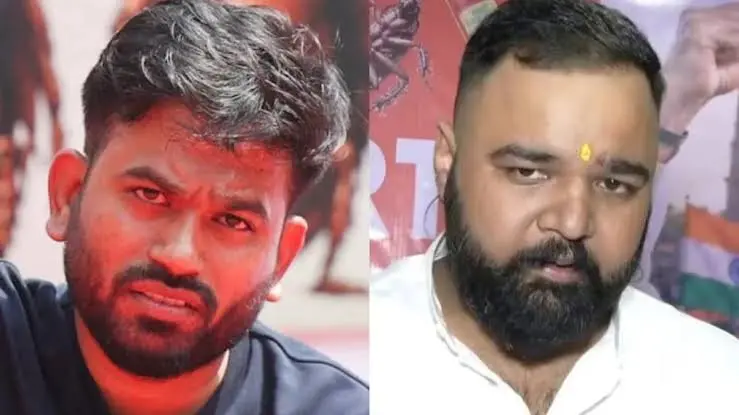
Indian politics has finally entered its new phase, the household-insect era. First came the Cockroach Janata Party (CJP), and now, in response, comes the Lal Hit Janata Party. Forget ideological manifestos, decades of political experience and complicated economic theories, the future belongs to parties whose names sound like products found under the kitchen sink.
The CJP began as a satirical movement, then talked about students’ welfare, and is now and a political protest platform. It is currently running a campaign against the Election Commission. Now, the Lal Hit Janata Party has emerged as its counter-movement, promising to defend constitutional institutions and challenge the CJP’s protests. Its convenor, Ayan Bhatnagar, has clarified that the outfit was not formed to contest elections.
Excellent. India has discovered a new model of politics – launch a party, choose a meme name, hold a meeting, issue a statement and clarify that you do not actually intend to contest elections. Why bother with the inconvenience of winning votes when you can win the internet instead?
Traditional political parties spend crores on advertising, campaign managers, rallies and carefully designed slogans. The new generation has understood the assignment. Pick an absurd name, create a few viral posters and let social media do the heavy lifting. Even the Election Commission might eventually need a separate category for parties that exist primarily to trend.
Imagine the possibilities. The National Mosquito Front could promise to suck the blood out of corruption. The All India Pressure Cooker Party could campaign on rising prices. The National Washing Powder Alliance could promise to clean up politics. And a coalition of all three could be called the National Democratic Laundry.
But virality is not governance. A million followers cannot replace a workable employment policy, a credible budget, or a plan to improve public services.
The real test will come when these movements must move beyond memes and answer difficult questions about implementation, responsibility and results.
Until then, Indian politics may have discovered its newest formula: Less manifesto, more meme; fewer policy papers, more punchlines.
And if this trend continues, the next general election might require not just an election symbol, but a household-products aisle.

