
Borders are more than just barbed wire fences and military patrols; they are communities of people who serve as the living ecosystems of national security. Educating these civilians about defence is absolutely crucial. To be clear, defence literacy does not mean militarising a population or teaching them combat skills. Instead, it is the systematic education of border communities in situational awareness, crisis management, and strategic vigilance.
For decades, the constant threat of conflict and a lack of basic infrastructure led to severe outmigration from India’s frontiers, leaving behind abandoned local villages. Naturally, human beings migrate toward safety and better opportunities, but a nation cannot afford the strategic vulnerability of empty borders. This is why the Indian State must empower its border citizens through defence literacy.
Borderline people are active stakeholders in their region’s stability. When civilians understand the mechanisms of their own security, panic and fear are replaced by protocol and preparedness. From a national security perspective, a knowledgeable and empowered citizen is a living asset to the state. The Indian Government’s paradigm shift, reclassifying border settlements as “first villages” rather than “last villages” through initiatives like the Vibrant Villages Programme, perfectly captures this doctrine.
In modern geopolitics, asserting sovereignty requires more than just troops; it demands a sustained, resilient civilian presence. A thriving, aware border community acts as a vital human shield against territorial encroachment or “salami-slicing” tactics. Ultimately, borders are not lines of vulnerability; they are our living walls of defence. For instance, the situation of Arunachal Pradesh we see now across Line of Actual Control, China is playing a dangerous game of demographic engineering. They have constructed hundreds of “Xiakong”, or dual use border defence villages, weaponising their civilian population as permanent military outposts to acquire our territory.
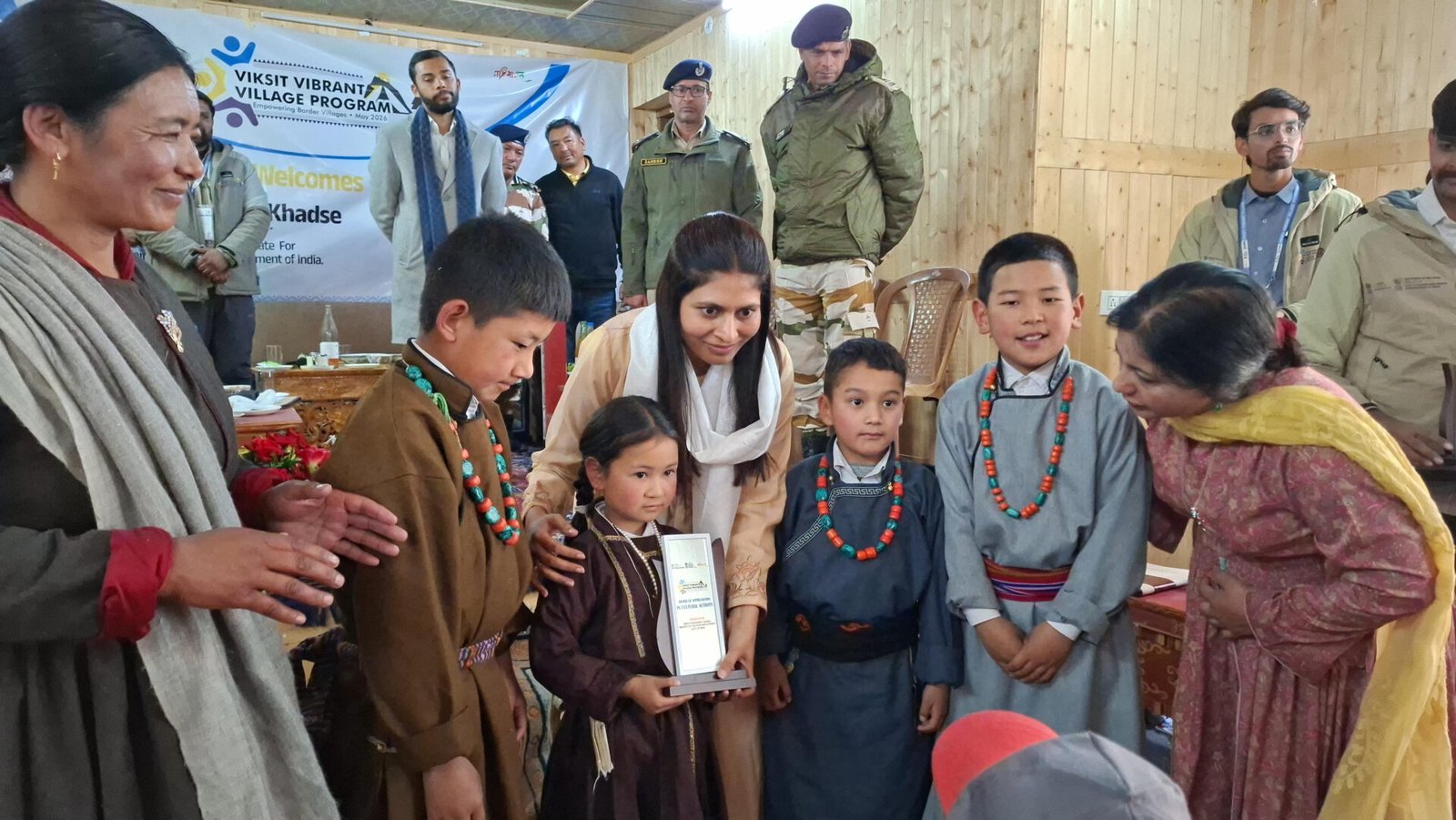
For years, our borders were slowly emptying as locals migrated inward looking for better opportunities. But an empty border is an invitation for invasion. That is exactly why empowering our frontier citizens is our strongest counter-action. By launching the Vibrant Villages Programme in frontier towns like Kibithoo, India is fundamentally changing its defence position. We are giving our border communities the infrastructure, the awareness, and the economic power to stay stable. Because in the modern era of warfare, “a literate, empowered civilian holding their ground is just as formidable as a soldier standing guard.”
(The author is Pratikshya Swain, an International Relations Scholar, at School of International Cooperation, Security and Strategic Languages at Rashtriya Raksha University, Gandhinagar)

