
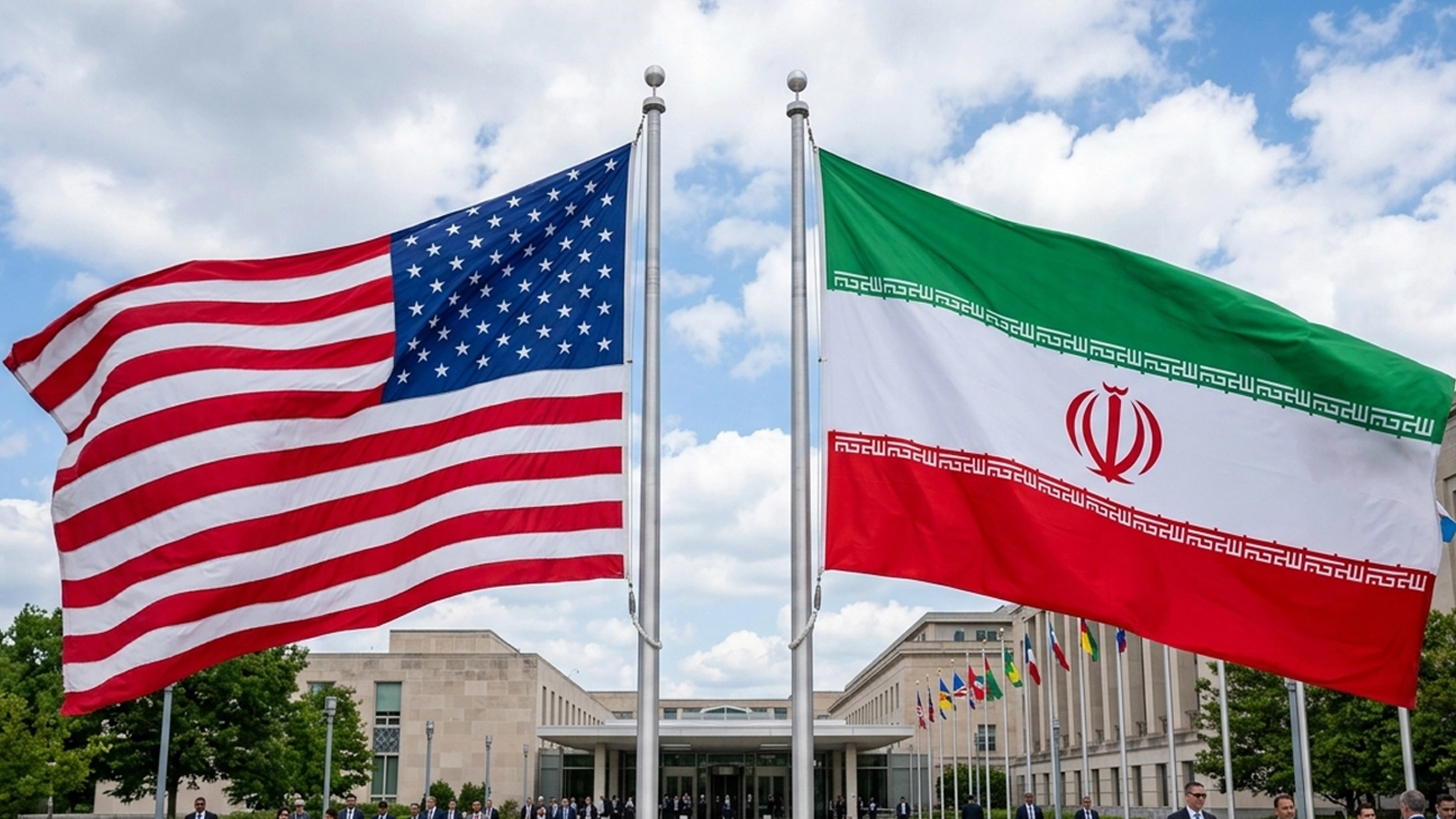
The peace deal between the United States and Iran is once again in the global spotlight as the two parties are set to hold high-level peace talks in Switzerland. Qatar and Pakistan are also going to be part of the negotiations, though they are going to be side players as US and Iran thrash out the details.
The negotiations come after months of conflict, military escalation, economic disruption, and growing fears of a wider regional war. While the very fact that both sides are returning to the negotiating table is being seen as a positive development, major questions remain about whether these talks can produce a lasting settlement or merely delay the next round of confrontation.
The immediate objective of the talks is to build on the fragile ceasefire and address unresolved issues that have continued to generate tensions. Delegations from both countries are expected to discuss Iran’s nuclear programme, sanctions relief, the future of the Strait of Hormuz, access to frozen Iranian assets, and mechanisms to prevent renewed hostilities. Senior American and Iranian officials have arrived in Switzerland for what many analysts describe as the most important negotiations in years.
However, the road to a final agreement is far from smooth. One of the biggest obstacles remains Iran’s nuclear programme. While preliminary understandings have reportedly been reached regarding limitations and oversight, key details remain unresolved. Questions continue over uranium enrichment levels, inspections, and the long-term future of Iran’s nuclear capabilities. These issues have derailed previous negotiations and could once again become major sticking points.
Another challenge comes from regional developments beyond the negotiating room. Renewed violence involving Israel and Hezbollah in Lebanon has already complicated diplomatic efforts. Recent reports suggest that tensions in Lebanon and conflicting claims over the status of the Strait of Hormuz have created fresh uncertainty just as talks are beginning. Such developments highlight how external events could easily undermine any progress made at the negotiating table.
Yet there are reasons for cautious optimism. Both nations have strong economic incentives to avoid another prolonged conflict. Iran seeks sanctions relief and access to international markets, while the United States wants stability in the Middle East and uninterrupted energy supplies through key shipping routes. These shared interests create a foundation for potential progress.
Ultimately, the upcoming talks are unlikely to produce a complete resolution overnight. More realistically, they may establish a framework for continued negotiations and confidence-building measures. Whether that framework evolves into a durable peace or collapses under the weight of longstanding mistrust will depend on the willingness of both sides to make difficult compromises in the weeks ahead.
For now, the world watches closely. The talks offer a rare opportunity to move away from conflict, but history suggests that achieving a lasting US-Iran settlement remains one of international diplomacy’s most difficult challenges.

