
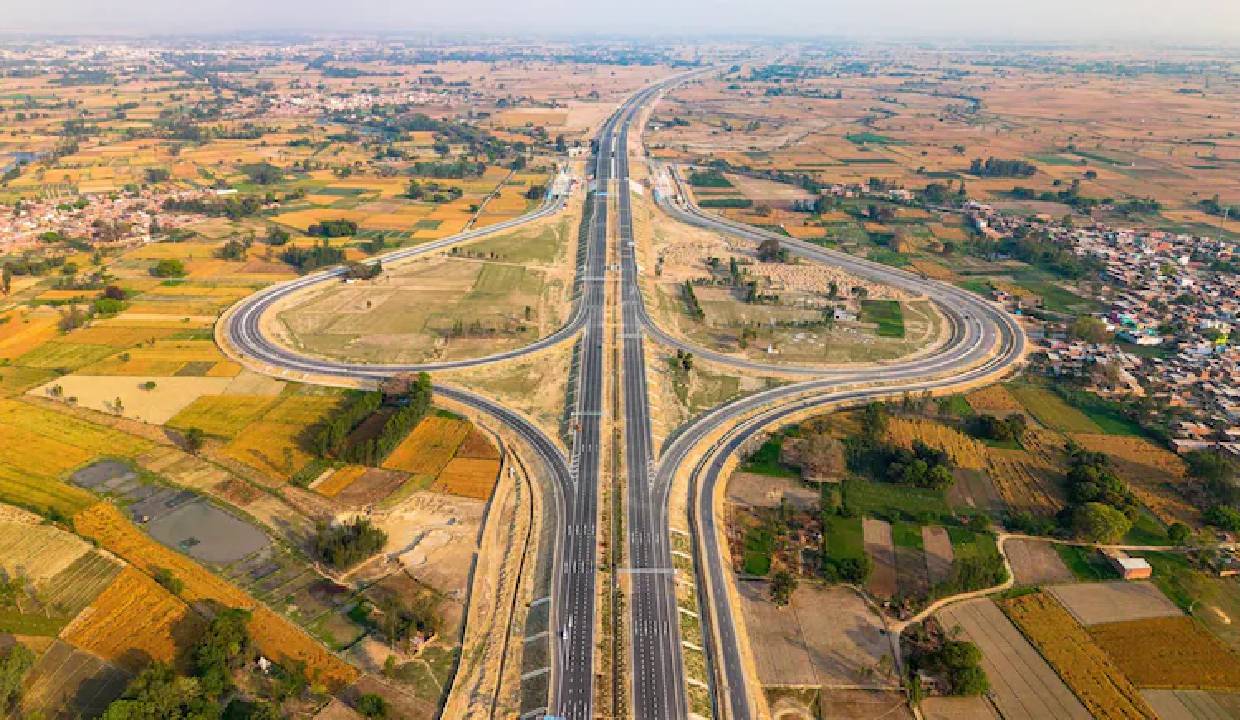
The inauguration of the Ganga Expressway by Narendra Modi marks a defining moment in Uttar Pradesh’s infrastructure journey. Opened on April 29, 2026, this 594-kilometre-long expressway connecting Meerut in western Uttar Pradesh to Prayagraj in the east is not just a road project—it is a transformative economic corridor designed to reshape the state’s development trajectory.
Built at an estimated cost of over ₹36,000 crore, the Ganga Expressway is Uttar Pradesh’s longest access-controlled highway. It is a six-lane expressway, expandable to eight lanes, and passes through 12 districts, linking key population centres and previously under-connected regions.
A leap in connectivity
One of the most immediate benefits of the Ganga Expressway is the drastic reduction in travel time. The journey between Meerut and Prayagraj, which earlier took 10–12 hours, can now be completed in around six hours. This improvement is not merely about convenience; it fundamentally alters mobility patterns within the state.
The expressway connects western, central, and eastern Uttar Pradesh in a seamless high-speed corridor, integrating regions that were historically fragmented in terms of infrastructure. It also links with other major expressways like the Yamuna and Purvanchal expressways, creating a vast and efficient road network across northern India.
Economic engine for Uttar Pradesh
The Ganga Expressway is being seen as a backbone for economic growth. By improving logistics and reducing transportation costs, it is expected to boost trade and industrial activity across the state.
The project is designed as more than just a highway—it is envisioned as an industrial corridor. Plans include the development of multiple industrial clusters along its route, with investments worth tens of thousands of crores expected in the coming years.
Additionally, the expressway is projected to generate around three lakh jobs, both directly and indirectly, providing a significant push to employment in the region.
Boost to regional balance
Uttar Pradesh has long struggled with regional disparities, particularly between its more developed western region and the relatively underdeveloped eastern belt. The Ganga Expressway directly addresses this imbalance by connecting these regions through a high-speed corridor.
Districts that were once considered economically backward are now poised to attract investment due to improved accessibility. This could lead to the growth of new urban centres, industrial hubs, and logistics parks, helping distribute economic growth more evenly across the state.
Modern infrastructure and strategic value
The expressway incorporates several modern features that elevate it to global standards. These include emergency airstrips for defence use, EV charging stations, trauma centres, and advanced traffic management systems.
The presence of a 3.5-kilometre emergency airstrip also gives the expressway strategic importance, allowing it to serve as a backup runway for the Indian Air Force during emergencies. This dual-use capability adds a national security dimension to the project.
Strengthening tourism and cultural connectivity
The expressway is also expected to boost tourism by improving access to major religious and cultural destinations. Cities like Prayagraj and Varanasi—key centres of spiritual tourism—will become more accessible to people from western Uttar Pradesh and the National Capital Region.
This enhanced connectivity is likely to increase tourist inflow, benefiting local economies and promoting cultural integration across regions.
A symbol of infrastructure-led development
The inauguration of the Ganga Expressway reflects a broader push toward infrastructure-led growth in India. Uttar Pradesh, once criticised for poor road infrastructure, is now emerging as a state with one of the most extensive expressway networks in the country.
For the Modi government, the project also carries political and symbolic significance. It showcases a model of development focused on connectivity, industrialisation, and regional integration—key themes in India’s economic strategy.

