
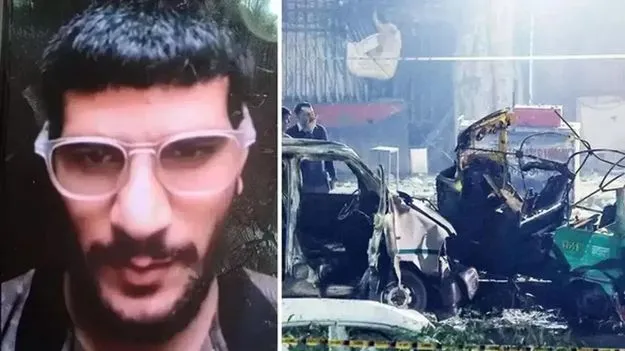
The National Investigation Agency (NIA) has filed its chargesheet in the Red Fort blast case in Delhi, shedding new light on the terror attack that killed 15 people and injured more than 20 others. According to the chargesheet, this was not simply an IED explosion, it was a suicide bombing.
The NIA has said in its chargesheet that Dr Umar Un Nabi detonated the Improvised Explosive Device while sitting inside his Hyundai i20. The explosion killed him along with 15 other people and injured several others.
Dr Umar, who was an Assistant Professor of General Medicine at Al Falah University in Faridabad, has been identified by the NIA as a key figure in the revival of the Ansar Ghazwat-ul-Hind terror module in India. Investigators have said that he established a network around himself with the intention of carrying out terror attacks.
The chargesheet also mentions the “Lone Mujahid Pocket Book”, also known as How to Become an Assassin, in connection with the terror network.
And this is where an uncomfortable debate needs to be had.
After almost every terror attack, a section of commentators, also known as Dimagi Naxals these days, immediately appears to tell us that “terrorism has no religion.” Of course, terrorism does not represent an entire religious community, and ordinary citizens must never be collectively blamed for the actions of terrorists.
But refusing to discuss the ideology that motivates a terrorist is not the same thing as rejecting communal hatred. We will need to have the uncomfortable discussion about the motivations of these terrorists, but Dimagi Naxals want to sweep that uncomfortable truth under the carpet.
If investigators identify a particular extremist ideology, recruitment network or literature associated with an accused terrorist, those facts should be discussed honestly rather than brushed aside with slogans.
There is also another argument that needs to be questioned, Dimagi Naxals claim that terrorism primarily thrives because of illiteracy.
Dr Umar was a doctor and a highly educated professional. His alleged involvement shows that education alone does not immunise a person against radicalisation. The problem can also involve extremist ideology, indoctrination and organised terror networks.
That is why the focus should not simply be on asking what religion a terrorist belongs to, but on asking what ideology convinced him that murdering innocent people was justified.
The Red Fort blast chargesheet makes that question even more important.
If we genuinely want to defeat terrorism, we cannot afford either denial or selective outrage. We have to confront the ideology, the networks and the radicalisation that turn educated individuals into terrorists.

