
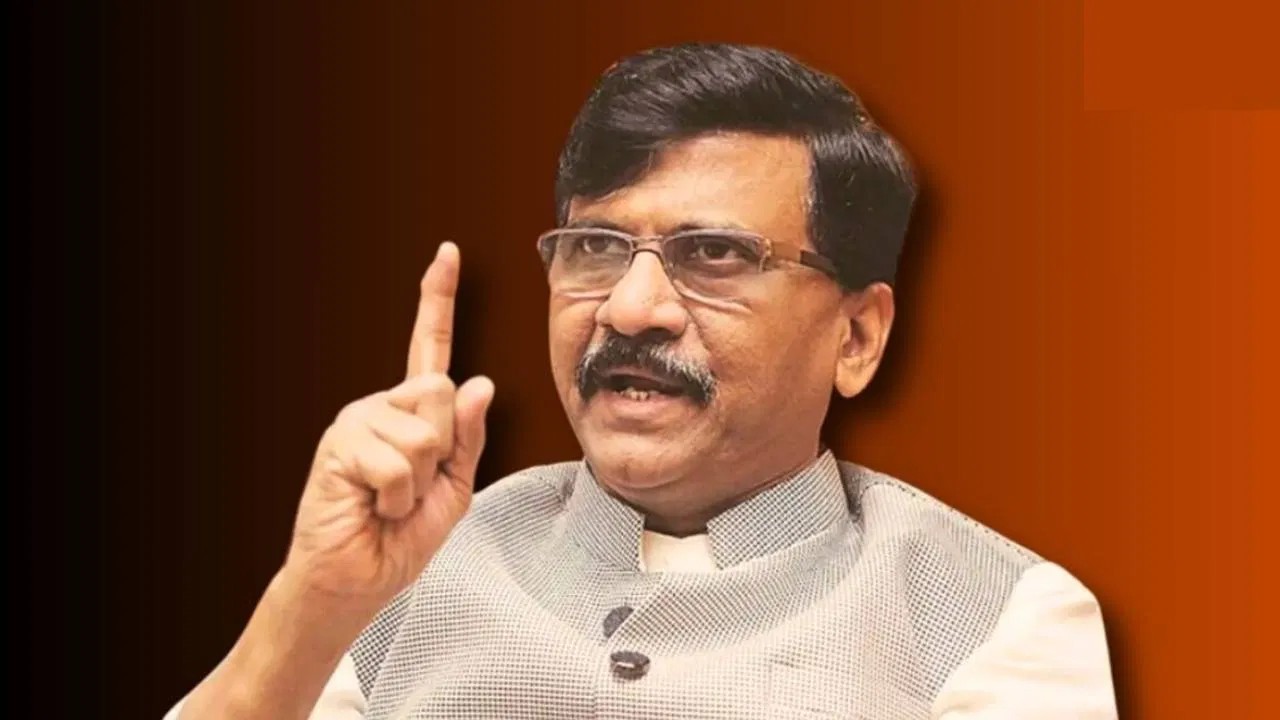
Few years ago, Rajya Sabha MP Sanjay Raut enriched our vocabulary when he said that haramkhor means naughty. The Maharashtra politician was trying to explain his comments about Actress-turned-politician Kangana Ranaut at that time.
सुनिए "हरामखोर" का मतलब #SanjayRaut pic.twitter.com/c4RqNTehs4
— Anamika Jain Amber (@anamikamber) September 7, 2020
Now, the foul mouthed politician has stirred another controversy with his loose tongue. Political discourse in India is reaching new lows, and the likes of Sanjay Raut are leading the way. Videos circulating on social media and television channels appear to show Sanjay Raut using abusive language while referring to rebel MPs who have distanced themselves from the party leadership. Political differences happen, people change sides, but to publicly abuse them?
Political disagreements are hardly new in a democracy. In fact, robust debate and ideological clashes are essential components of a healthy democratic system. However, there is a significant difference between strong criticism and personal abuse. When elected representatives resort to crude language in public, they risk undermining the dignity of the offices they hold and setting a poor example for supporters and younger generations.
Sanjay Raut’s comments have once again sparked a broader discussion about standards of conduct in public life. Politicians are among the most visible public figures in any society. Their statements are amplified by television channels, newspapers, and social media platforms, reaching millions of people almost instantly. As a result, their words carry far greater weight than those of ordinary citizens. And if they openly abuse like this then what can we expect of normal citizens.
The rebel MPs targeted by Raut may have taken political decisions that he strongly disagrees with. Defections and party splits often generate intense emotions, particularly in parties that have undergone significant internal turmoil in recent years. Yet democratic politics requires leaders to express their disagreements through arguments and persuasion rather than insults and verbal attacks.
Voters expect their representatives to debate matters such as economic growth, employment, education, healthcare, national security, and governance. When political conversations become dominated by personal feuds and abusive exchanges, these important issues are pushed into the background. Democracy functions best when political leaders compete over ideas, performance, and vision rather than trading insults.
There is also the question of accountability. Political parties often demand high standards of behaviour from their opponents while remaining silent when their own leaders cross the line. Consistency is essential. If decorum is considered important, it should be upheld regardless of who violates it.
The controversy surrounding Sanjay Raut’s remarks serves as another reminder that public life requires a certain level of restraint. Passionate political disagreement is inevitable and even desirable. Abuse and personal attacks are not. At a time when public trust in institutions is increasingly important, politicians of all parties would do well to remember that leadership is reflected not only in what they say, but also in how they say it.

