
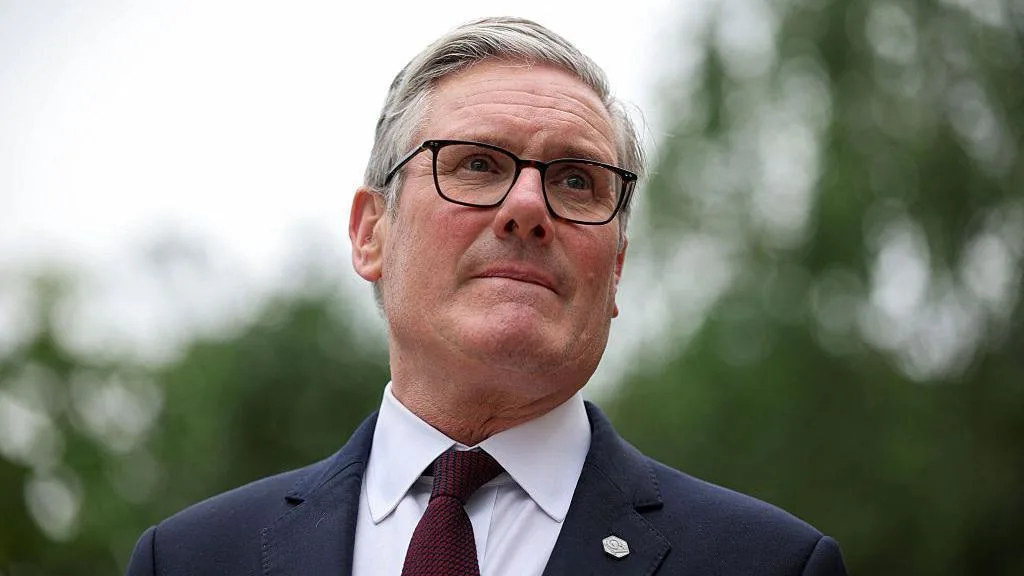
The resignation of British Prime Minister Keir Starmer has added yet another chapter to the political instability that has increasingly defined the United Kingdom over the last decade. With Starmer becoming the sixth Prime Minister to leave office before completing a full term in just ten years, questions are once again being raised about the state of British politics and the growing difficulty of governing the country in an era of economic, social, and geopolitical uncertainty.
Since 2016, Britain has witnessed an extraordinary turnover of leaders. Following the Brexit referendum, Prime Ministers have come and gone at a pace rarely seen in modern British history. David Cameron resigned after the Brexit vote, Theresa May stepped down amid parliamentary deadlock over Brexit, Boris Johnson was forced out following a series of scandals, Liz Truss lasted only weeks after a disastrous economic experiment, and Rishi Sunak left office after electoral defeat. Now, Keir Starmer’s resignation continues this remarkable pattern of political churn.
Starmer entered office promising stability, competence, and a departure from the chaos that had characterized several previous governments. His leadership was initially welcomed by many voters who were seeking a calmer political environment after years of Brexit disputes, pandemic-related challenges, and economic turbulence. However, governing modern Britain has proven difficult for leaders of every political persuasion.
The country continues to face significant challenges, including sluggish economic growth, pressure on public services, rising living costs, housing shortages, and complex international commitments. These issues have strained governments regardless of their political ideology. In such an environment, public patience has become increasingly limited, and political leaders often find themselves under intense scrutiny from both opponents and their own parties.
Starmer’s departure also highlights a broader trend in British politics: the weakening of long-term political mandates. Internal party pressures, relentless media attention, and a highly fragmented political landscape have made it harder for Prime Ministers to maintain authority over extended periods. What was once considered a relatively stable parliamentary democracy now experiences leadership changes with surprising frequency.
The bigger question is what this means for Britain’s future. Frequent leadership transitions can create uncertainty for investors, businesses, and international partners. Long-term reforms often require years of consistent political direction, something that has been increasingly difficult to achieve.
As Britain prepares for yet another leadership transition, many voters may wonder whether the next Prime Minister can finally break the cycle. Until then, Keir Starmer’s resignation stands as another reminder of how dramatically the country’s political landscape has changed over the past decade.

