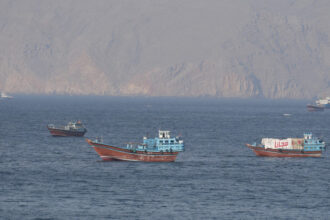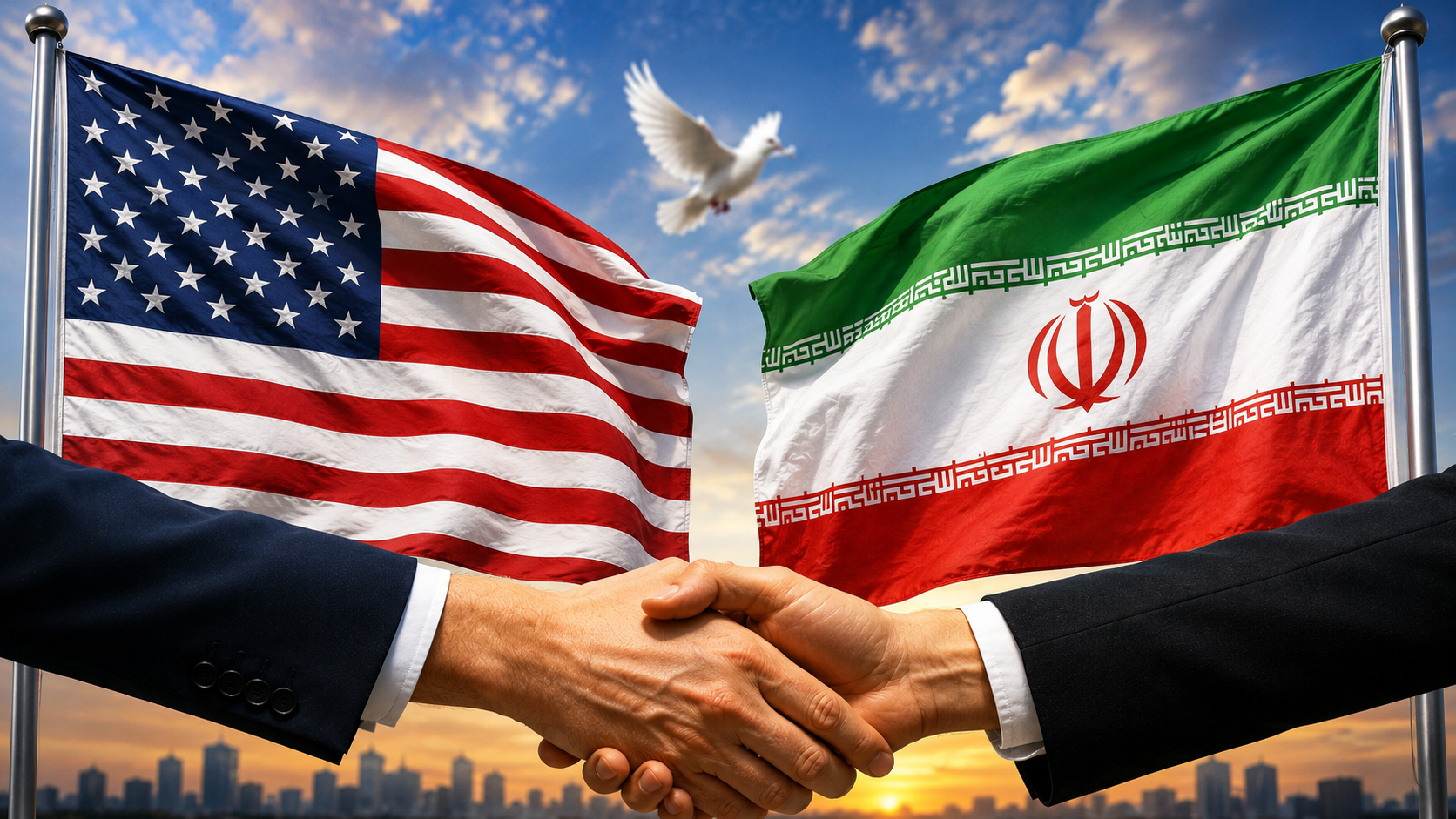
The world rejoices as there is now hope that they will stop suffering due to the energy crisis triggered by US-Iran war in West Asia. Since US and Israeli forces launched strikes on Iran on February 28 this year, the energy markets have been in a state of turmoil. The crude oil and gas supplies from Iran and the Gulf countries suffered as the Strait of Hormuz was closed soon after the conflict started. However, now there is hope that it will be reopened soon as US and Iran agree to a peace deal.
The deal, announced on June 14, US President Donald Trump’s birthday, will be signed on June 19 in Geneva, Switzerland.
After months of conflict, diplomatic brinkmanship, and fears of a wider regional war, the agreement offers hope that the Middle East may finally be moving away from the cycle of escalation that has defined much of its recent history. Yet beneath the celebrations and optimistic headlines, several critical questions remain unanswered, raising doubts about whether this deal will ultimately lead to lasting peace or will the fighting resume again in near future.
The framework agreement reportedly includes a permanent ceasefire, the reopening of the Strait of Hormuz, and a commitment by both sides to continue negotiations over a final settlement. As mentioned earlier, the reopening of the strategically vital trade route of Hormuz is particularly important for global energy markets, which have been in a state of volatility thanks to months of instability.
The biggest unresolved issue remains Iran’s nuclear programme, and there is still no clarity what the two countries agreed upon regarding this. While Iranian officials have indicated that Tehran is willing to halt further uranium enrichment and maintain the current status of its nuclear activities during negotiations, the long-term future of its nuclear programme remains unclear. Questions persist over what will happen to Iran’s stockpile of highly enriched uranium, how any future restrictions will be verified, and whether international inspectors will be granted the access necessary to reassure the global community that Iran is not pursuing nuclear weapons. These matters are expected to be at the center of negotiations over the coming days.
Another major uncertainty concerns sanctions imposed on Iran by the United States. Iran has long argued that meaningful peace cannot be achieved without the lifting of economic sanctions that have severely crippled its economy. While the United States may refrain from imposing new sanctions and could provide temporary waivers on oil exports, the timeline and extent of any permanent sanctions relief remain unclear.
The issue of frozen Iranian assets is equally contentious. Iranian officials claim that the draft agreement includes the release of approximately $24 billion in frozen assets. Yet American officials have indicated that any release of funds would likely be tied to Iran fulfilling its commitments under the agreement. The gap between the two sides’ interpretations highlights the fragility of the current understanding.
Ultimately, the peace deal represents an important diplomatic breakthrough, but it is better viewed as the beginning of a process rather than its conclusion. The difficult negotiations still lie ahead. Whether the agreement becomes the foundation of a new era of stability or merely another temporary pause in a long-running confrontation will depend on how successfully both sides address the unresolved questions surrounding uranium enrichment, sanctions relief, frozen assets, and broader regional security concerns.