
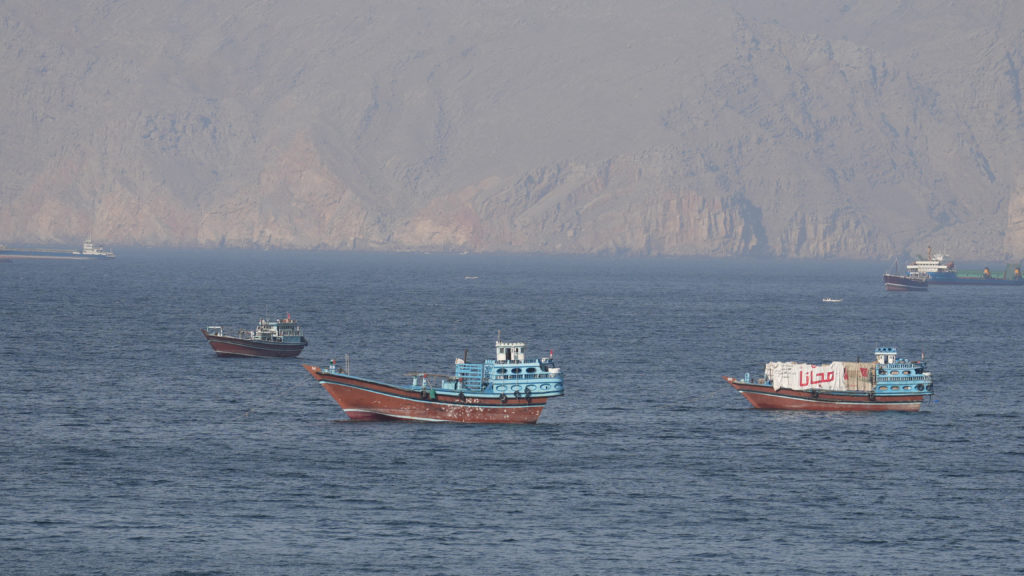
Shortly after US and Israel launched strikes on Iran on February 28, Iran blocked the Strait of Hormuz, the critical world trade chokepoint. This trade route has been closed for months now, sending world energy markets into turmoil. Now that US and Iran have announced a peace deal, to be signed on June 19, there is hope that the critical route will reopen, but will it, and if it does, what will be the conditions? Nobody knows.
The announcement of a preliminary peace deal between the United States and Iran was expected to bring clarity to global shipping, energy markets and international trade. Instead, one of the most critical questions surrounding the agreement remains unanswered: Will ships passing through the Strait of Hormuz continue to enjoy free passage, or will they eventually have to pay tolls or service fees?
The confusion reflects the broader uncertainty surrounding a deal whose full text has not yet been made public. While world leaders and financial markets have welcomed the prospect of the reopening of the Strait of Hormuz, conflicting statements from Washington and Tehran suggest that the issue of maritime access is far from settled.
Iranian foreign ministry spokesperson Esmaeil Baqaei said, “We have always maintained that we do not seek to collect transit tolls, but fees for navigation services, environmental protection, ship insurance and other necessary services will be charged.”
The Strait of Hormuz is among the world’s most important maritime chokepoints, carrying roughly one-fifth of global oil and liquefied natural gas shipments. Any restrictions, fees or disruptions in the waterway can have significant consequences for global energy prices and supply chains.
Meanwhile, the United States has publicly insisted that the waterway should reopen on a toll-free basis. So what is it going to be, toll-free transit, “service fees”, or what? Nobody knows what the two countries agreed upon as part of the peace deal. Notably, the Strait of Hormuz was open for all before the current war.
Iranian media have suggested that commercial vessels may enjoy a 60-day toll-free period after the reopening of the strait. After that, Tehran reportedly plans to introduce charges linked to navigation safety, environmental protection, insurance coordination and other maritime services. Revenues generated from such fees would reportedly be directed towards economic development projects.
This is not the first time the issue has surfaced. During the conflict, Iranian officials floated proposals for transit charges in Hormuz, drawing strong opposition from major shipping nations and companies. International shipping firms have generally argued that freedom of navigation through international waterways should not be subject to unilateral tolls. Even before the peace agreement, several shipping companies publicly stated that they had not paid any Iranian transit fees while passing through the strait.
The uncertainty is already affecting commercial decisions. Although one LNG tanker successfully transited Hormuz following the peace announcement and some vessel movements have resumed, major shipping companies remain cautious. Many operators are waiting for details of the final agreement, clarification on security arrangements and confirmation that the waterway is free from military threats and mines before restoring normal operations.
For now, markets have chosen to focus on the positive aspects of the deal. Oil prices have fallen sharply on expectations that Hormuz will reopen and energy exports will gradually normalize. Yet traders, insurers and shipping executives know that the devil is often in the details.
Just as questions remain over Iran’s uranium stockpiles, the future of its nuclear programme, and the extent of sanctions relief that Washington may ultimately grant, uncertainty also surrounds the future governance of the Strait of Hormuz.
Until the final agreement is signed and its provisions published, the world is left with competing narratives. Will Hormuz remain a toll-free international artery, as Washington insists, or will Tehran eventually succeed in imposing service fees on one of the world’s most strategically important waterways? At present, nobody can say with certainty. The peace deal may have (may) ended a conflict, but it has not ended the confusion.

