Following the war between US-Israel and Iran, the Strait of Hormuz was closed by the Iranian authorities. After weeks of Iran not opening the strait, US Navy imposed their own blockade on the strait, so we had a blockade on blockade.
However, both the blockades didn’t manage to be 100% successful as some ships still managed to cross the strait despite two blockades, while some managed to be seized by the two warring parties.
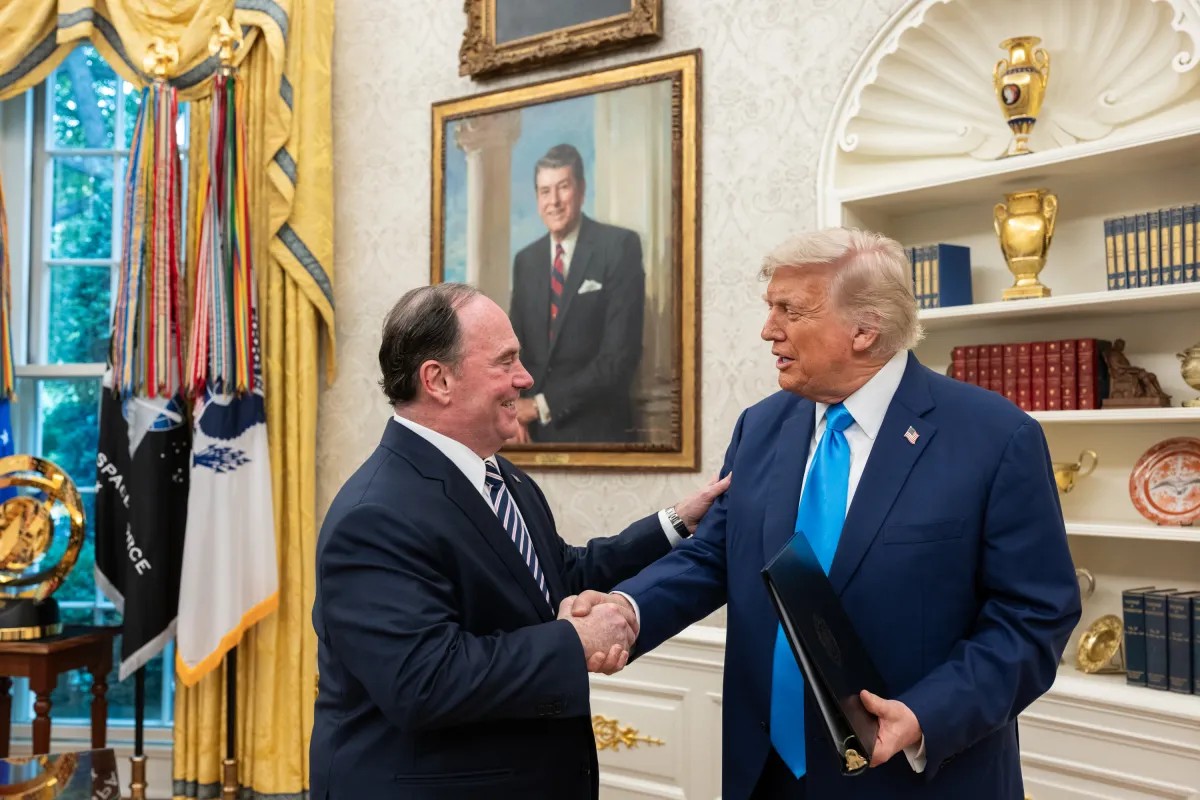
Amidst all this, U.S. Navy’s top officer by the administration of Donald Trump has been fired from his position. John Phelan was fired reoportedly amid disputes with Defence Secretary Pete Hegseth over the expensive new Trump-class warships.
However, Trump administration firing their Navy Chief in the middle of their biggest sea battle in years raises serious concerns about the state of the US government.
The Navy Chief holds one of the most critical positions in the U.S. military hierarchy. Responsible for overseeing the readiness, operations, and strategic direction of the Navy, the role is central to maintaining America’s global maritime dominance. Afterall, US Navy was central to Pax Americana.
This move to sack the Navy Chief during a key battle to secure a crucial sea passage signals great fissures between the Trump administration over the Iran War. And also that they can’t find a way to keep open the critical Strait of Hormuz.
Ultimately, the firing of the Navy Chief underscores the delicate interplay between politics and military command in the United States. It highlights the challenges of aligning strategic priorities across different levels of government, particularly during periods of heightened global uncertainty. Whether this move strengthens or weakens America’s military posture will depend on how swiftly and effectively a successor is appointed—and whether the transition reinforces stability or deepens existing divides.
So while the fragile ‘ceasefire’ is on between US and Iran, it continues to claim casualties, this time in the shape of the US Naval Chief.